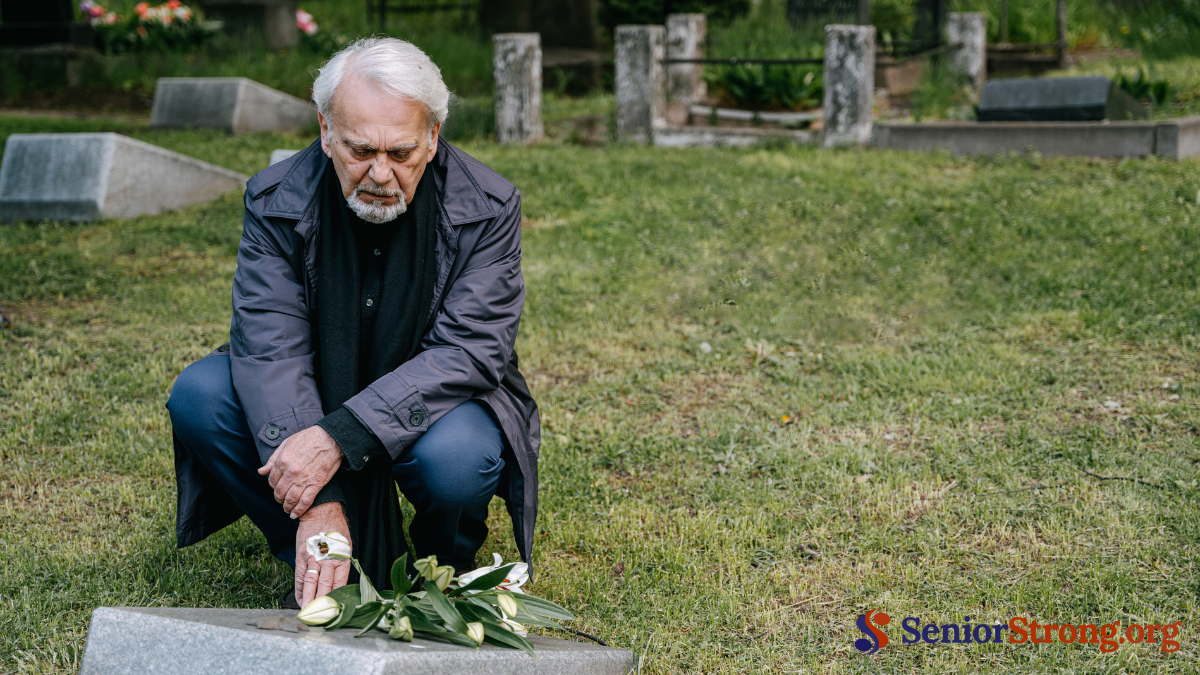
When we consider the profound impact of losing a spouse on the elderly, we often think of the overwhelming emotional and psychological distress it causes. Grief, loneliness, and a diminished sense of purpose create a heavy burden, disrupting routines and shared memories. Financial challenges and the need to manage practical matters alone add another layer of difficulty. So, how can we support our loved ones through this challenging change? Let's explore the ways we can help them navigate this new reality.
When a spouse passes away, the emotional and psychological toll on the elderly can be profound and multifaceted. We find ourselves grappling with a wave of emotions that range from shock and disbelief to deep sadness and loneliness.
It’s not just the loss of our partner but the loss of shared memories, routines, and future plans. This can lead to feelings of isolation as we navigate life without our confidant.
We might experience anxiety, depressionA common and serious medical illness that negatively affects how one feels, the way one thinks, and ..., or even a diminished sense of purpose. Our sense of identity can change, too, as we adjust to a new reality.
Understanding these emotional shifts helps us acknowledge that feeling overwhelmed is natural. Together, we can support each other as we navigate this challenging journey of emotional adjustment.
As we commence on the journey of coping with grief and loss, it’s essential to acknowledge that everyone’s path is unique.
Grieving is a deeply personal process, and we must allow ourselves the time and space to heal. It’s okay to have days when we feel overwhelmed, and others when we see glimpses of hope.
Let’s explore some ways to navigate through this challenging time:
Together, we can find healing and resilience.
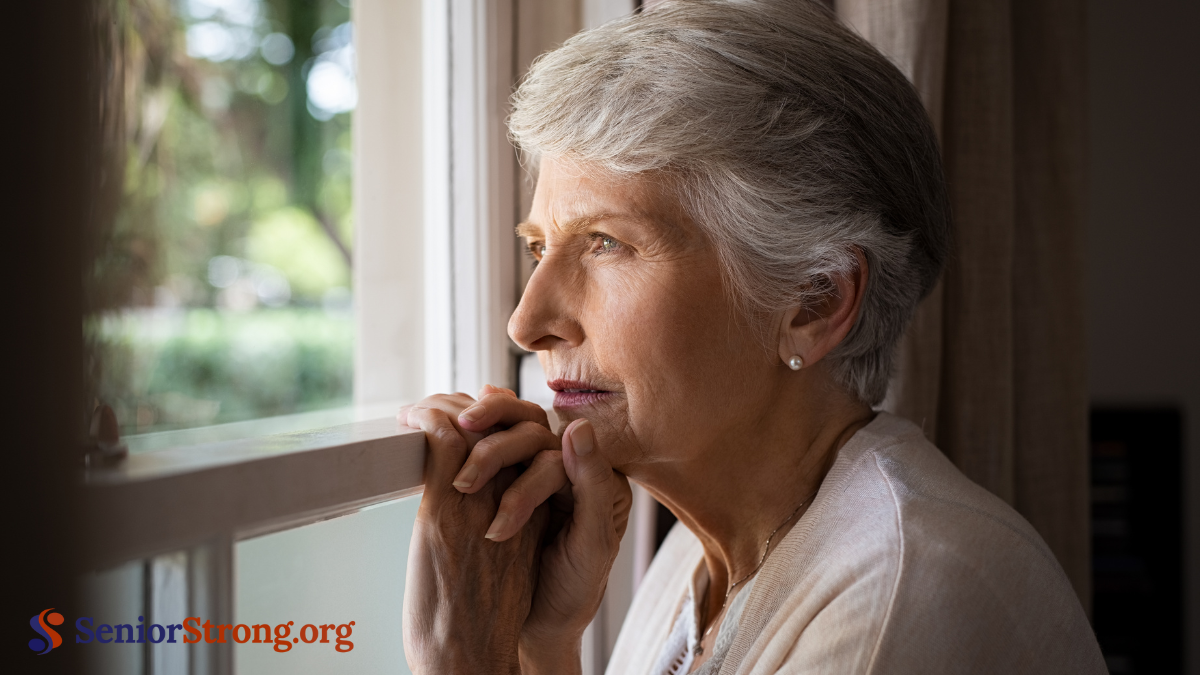
Why do we often find ourselves feeling isolated after losing a spouse? The shared routines and daily conversations that once filled our days suddenly vanish, leaving a void that’s hard to fill.
Even when surrounded by family and friends, the absence of our partner can create a deep sense of loneliness. We might hesitate to reach out, fearing we’re imposing or unable to express our needs.
Additionally, social circles can shift. Friends who knew us as couples might struggle with how to relate to us now.
We might withdraw, thinking others won't understand our pain. It’s essential to recognize these feelings and seek connections that help us heal.
Engaging in community activities or support groups can offer comfort and help us rebuild a sense of belonging.
When we lose a spouse, managing financial matters like pensions and benefits becomes essential.
Let's consider how housing and living costs might shift and require us to adapt.
Together, we can explore strategies for steering through these financial changes effectively.
Losing a spouse often brings not just emotional turmoil but financial challenges that require immediate attention.
Steering through the complexities of pensions and benefits can feel overwhelming. We need to guarantee that we're making the best decisions during this difficult time. Understanding our options can help us maintain financial stability.
Here are a few key steps to reflect on:
Steering through the changes in pensions and benefits is just part of the financial puzzle we face after a spouse's passing. We must also address housing and living costs, which can be overwhelming.
Our home's expenses may feel burdensome now, especially if we relied on two incomes. Downsizing might be an option, but it requires careful consideration. We need to evaluate the emotional impact of leaving a familiar place, alongside the potential savings.
Moreover, maintaining a home involves utilities, taxes, and upkeep that add up quickly. It’s essential to reassess our budget and possibly seek financial advice.
Exploring community resources can also offer support. Together, we can navigate these adjustments and find a balance that respects both our financial and emotional needs.
When we experience the loss of a spouse, our daily routines can shift dramatically as we adapt to solitude and manage household tasks on our own.
It's challenging to fill the silence and cope with loneliness, especially when every corner of the home holds shared memories.
Together, let's explore how we can navigate these changes and find new rhythms in our daily lives.
While the loss of a spouse is profoundly challenging, adapting to solitude often requires significant changes in our daily routines.
We find ourselves traversing a new landscape where familiar habits now seem foreign. It's important to create a balance that fosters healing and self-care.
Some shifts we might consider include:
These changes might feel intimidating, but they’re essential steps towards embracing our new reality.
Managing household tasks after losing a spouse often means adjusting routines that were once shared. Together, we might’ve divided chores, but now we face them alone. It’s normal to feel overwhelmed, yet we can gradually adapt and find a new rhythm.
Let’s start by prioritizing essential tasks like cooking, cleaning, and managing finances. Breaking tasks into smaller, manageable steps can help us feel more in control. We might consider using lists or schedules to keep track of what needs to be done.
Don’t hesitate to reach out to family or friends for support; they’re often willing to help. We can also explore community resources or services designed for seniors.
Amid the profound loss of a spouse, loneliness can permeate our daily lives, altering routines and leaving us feeling isolated.
It’s essential to find ways to connect and fill the silence that once buzzed with shared moments. We can start by reimagining our daily activities to include new companionship or self-care practices.
Here are some ideas:

Losing a spouse can profoundly impact an elderly person's physical health. When we face such a loss, it often leads to changes in our daily routines.
We might neglect our meals or skip important medical appointments, affecting essential aspects like nutrition and healthcare. Stress from grief may weaken our immune system, making us more susceptible to illnesses. Additionally, we could experience changes in sleep patterns, leading to fatigue and reduced energy.
It's imperative we recognize these changes and seek support, whether from family, friends, or healthcare providers.
When a spouse passes away, we often face a profound impact on our mental health, including grief and depression.
The loss can lead to social isolation, as our support systems might shrink.
Additionally, we may struggle with finding effective coping mechanisms to help us navigate this challenging time.
As we explore the profound effects of grief and depression on mental health after the death of a spouse, it’s essential to recognize how these emotions can deeply impact the elderly.
Grieving isn't just emotional; it can affect our physical and mental well-being too. The loss of a lifelong partner may lead to a sense of despair, affecting daily functioning and overall health.
Understanding these impacts, we find:
Let's remember, acknowledging these effects is the first step toward healing and finding support.
Grief and depression often lead us to another important challenge: social isolation. When we lose a spouse, our world can feel like it's shrinking. The absence of our partner may make us reluctant to engage in activities we once enjoyed.
Friends and family mightn't know how to support us, leading to fewer interactions. This isolation can deepen our feelings of loneliness and exacerbate mental health struggles. It's vital we recognize these risks, as they can greatly impact our well-being.
We should endeavor to reach out to others, even when it feels difficult. Connection is essential for healing. By fostering relationships, we can create a supportive network to help us navigate this challenging time together, reducing the isolation we face.
Maneuvering the emotional terrain after losing a spouse can be incredibly challenging, particularly regarding finding effective coping mechanisms.
We often face a whirlwind of emotions, from profound sadness to quiet moments of reflection. It’s essential to address these feelings thoughtfully.
Here are some coping challenges we might encounter:
Let's remember that these challenges are common, and seeking help is a strength, not a weakness.
When faced with the challenging task of managing legal and administrative matters after a spouse's death, we must focus on organization and clarity to ease the process.
First, gather all essential documents, including wills, insurance policies, and financial statements. This helps us have a clear picture of the estate.
It's vital to notify financial institutions and insurance companies promptly to prevent complications. Understanding legal terms and requirements can be intimidating, but seeking professional advice from an attorney or financial advisor can provide clarity.
We should also update important documents like deeds and titles to reflect the current status.
While the loss of a spouse is unquestionably a profound and personal experience, the role of family and friends becomes essential in providing support and comfort.
We need to remember that our presence can ease the emotional burden. Being there for our loved ones can make a significant difference in their healing process.
Let's consider how we can best support them:

Managing the aftermath of losing a spouse can feel overwhelming, but accessing professional help and resources can offer essential support.
We might consider reaching out to grief counselors who specialize in helping the elderly navigate such profound loss. They provide a safe space to express emotions and learn coping strategies.
Additionally, support groups connect us with others in similar situations, fostering a sense of community and shared understanding.
Let's not overlook practical resources, either. Social workers can guide us in managing day-to-day affairs, like financial planning or healthcare arrangements.
Many organizations offer services tailored to our needs, ensuring we don't face this journey alone. By embracing these avenues, we empower ourselves to move forward, honoring our loved one's memory while finding our own path.
We've explored the profound impact a spouse's death has on the elderly, from emotional turmoil to financial adjustments. It's vital we stay connected, offering our support as they navigate this challenging time. Let's guarantee they don't face loneliness or isolation, helping them adjust to new routines and manage practical matters. Encouraging access to professional resources and fostering open conversations can make all the difference. Together, we can help our loved ones find hope and healing.