
As we age, our nutritional needs change, especially when it comes to protein. We might wonder how much protein seniors actually need each day to maintain their health and vigor. It's not just about numbers; it's about understanding the impact of protein on aging bodies. Let’s explore why protein is so essential for seniors and how we can incorporate it effectively into their daily meals.
As we age, understanding protein's role becomes increasingly important for maintaining our overall health and energy. Protein isn't just about building muscle; it plays a significant role in repairing tissues, producing enzymes and hormones, and supporting immune function.
For us, aging often means facing muscle loss and reduced strength, known as sarcopeniaThe loss of muscle tissue as a natural part of the aging process. Diet and exercise can help mitigat.... By prioritizing protein, we can combat these issues and preserve our independence.
We should also consider protein's impact on bone health. As we grow older, our bones might weaken, making us more susceptible to fractures. Adequate protein intake can help maintain bone density and reduce the risk of osteoporosisA bone disease that occurs when the body loses too much bone, makes too little bone, or both, leadin....
Let's remember, protein isn't just a nutrient; it’s an essential component of our diet that supports our bodies as they change with time.
Determining the right amount of protein for seniors is essential for maintaining health and well-being. As we age, our bodies require more protein to support muscle mass, maintain strength, and guarantee proper bodily functions.
Experts generally recommend that seniors consume about 1.0 to 1.2 grams of protein per kilogram of body weight daily. This is higher than the standard recommendation for younger adults, which often surprises people.
To put it into perspective, if we weigh 70 kilograms (approximately 154 pounds), we should aim for about 70 to 84 grams of protein each day.
Incorporating a variety of protein sources like lean meats, dairy, beans, and legumes can make it easier to reach these goals. Let’s focus on balancing our meals to guarantee we’re meeting our protein needs.
While understanding the recommended daily protein intake is important, several factors can influence how much protein we actually need as we age. Our bodies change, and so do our nutritional requirements.
Let’s explore key factors affecting protein needs in older adults:
When it comes to choosing protein-rich foods and planning meals for seniors, prioritizing variety and nutritional density is key.
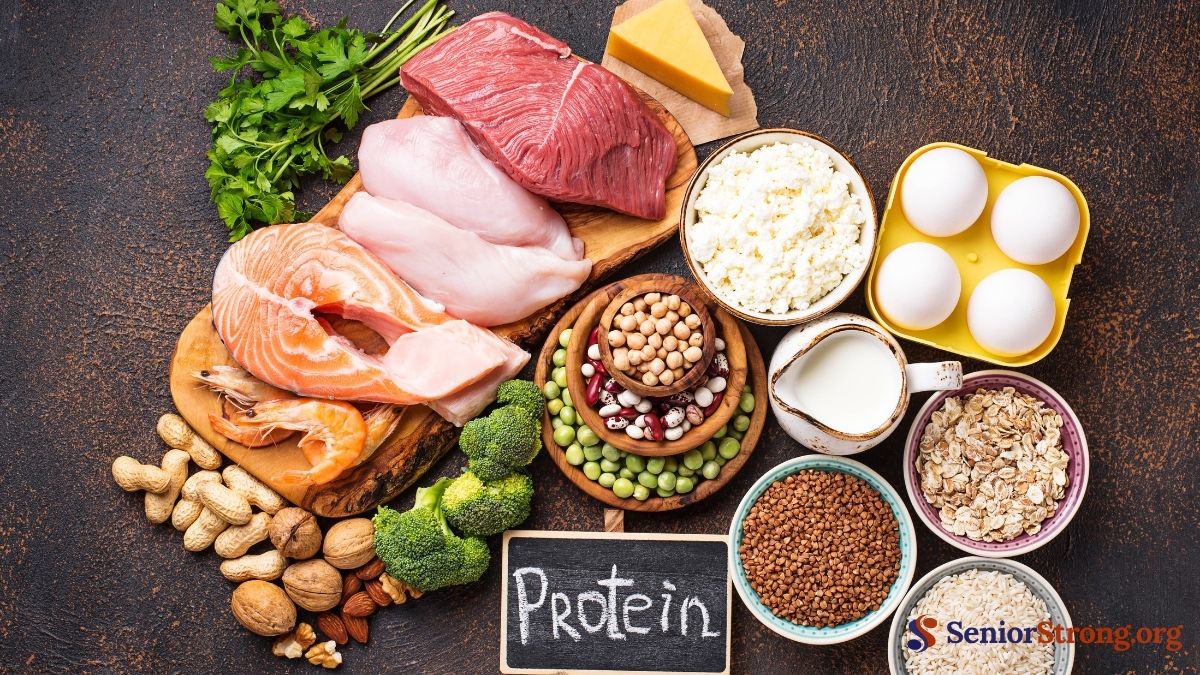
We should focus on incorporating lean meats like chicken and turkey, which provide high-quality protein without excess fat. Fish, especially salmon and mackerel, offer omega-3 fatty acidsEssential fats the body can't make from scratch but must get from food. They have important benefits... alongside protein, supporting heart and brain health.
Let’s not forget plant-based options like beans, lentils, and tofu, which are excellent for diversifying protein sources.
Dairy products such as yogurt and cheese are also valuable, offering calciumA mineral essential for life. It is necessary for the proper development and maintenance of healthy ... and protein in one serving. Eggs are versatile and nutrient-rich, making them a meal planningThe process of organizing meals ahead of time, which can involve creating a menu for a forthcoming p... staple.

Adding more protein to a senior's diet doesn't have to be complicated; we can make small adjustments that have a big impact.
First, let's consider starting the day with a protein-rich breakfast. We can also incorporate lean meats, beans, or tofu into lunch and dinner. Snacks are another great opportunity for protein; think of nuts, yogurt, or cheese.
Here are some tips to help us get started:
These strategies can help guarantee seniors meet their protein needs.
In summary, as we age, it’s essential to prioritize our protein intake to maintain muscle mass and overall health. By aiming for 1.0 to 1.2 grams of protein per kilogram of body weight daily, we can support our body's changing needs. Let’s embrace a variety of protein sources like lean meats, fish, dairy, and plant-based options. With thoughtful meal planning and a diverse diet, we’ll be better equipped to meet our nutritional goals and live healthier lives.