
As we age, ensuring we get the right amount and type of protein becomes essential for maintaining our health and independence. What's the best protein for seniors, though? We might think of protein as just meat, but there are various sources worth exploring. From lean meats and fatty fish to legumes and tofu, each offers unique benefits. Let’s explore how these options can support muscle health and overall well-being for seniors.

As we age, understanding the importance of protein for seniors becomes fundamental to maintaining health and vitality. It’s essential because protein supports muscle mass, which naturally decreases over time.
When we don’t get enough protein, we risk losing strength and facing difficulties with mobility. Let’s remember that protein isn’t just for muscles; it plays a critical role in our overall health by aiding in the repair of tissues and supporting immune function.
We need to focus on consuming adequate protein daily to prevent these challenges. By doing so, we enhance our quality of lifeThe general well-being of individuals and societies, outlining negative and positive features of lif... and maintain independence.
It’s about making informed choices to guarantee we're meeting our body's needs. Together, we can prioritize our health through mindful nutrition, ensuring we age gracefully and energetically.
Let's explore the benefits of animal-based protein sources that are particularly valuable for seniors.
Lean meats like chicken and turkey offer high-quality protein with less saturated fat, making them heart-friendly options.
Additionally, dairy products such as yogurt and milk provide not only protein but also essential nutrients like calcium for bone health.
When considering the best protein sources for seniors, lean meats offer significant benefits that shouldn't be overlooked. They provide a high-quality protein that supports muscle health, which is essential as we age.
Lean meats like chicken, turkey, and lean cuts of beef are packed with important amino acids that promote muscle repair and growth. Additionally, these meats are lower in saturated fats compared to their fattier counterparts, helping us maintain heart health.
Incorporating lean meats into our diet can also aid in weight management, as they're filling and satisfying. This can help prevent unnecessary snacking and overeating.
While lean meats are a fantastic source of protein, we shouldn't overlook the benefits of dairy protein options for seniors.
Dairy products aren't only rich in protein but also provide essential nutrients like calcium and vitamin DA fat-soluble vitamin that is essential in promoting calcium absorption in the gut and maintaining a..., supporting bone health as we age.
Let's consider some popular dairy options that can easily fit into our diets:
These options can help us maintain muscle mass and overall well-being.
Let's explore the benefits of plant-based proteins for seniors, which can be a great alternative to animal sources.
They're often rich in fiber and essential nutrients, supporting digestion and overall health.
We'll also highlight some top plant-based options like lentils, quinoa, and tofu that can easily fit into our diets.
Although many of us grew up associating protein with meat and dairy, plant proteins offer a multitude of benefits that shouldn't be overlooked, especially for seniors.
Embracing plant proteins can contribute greatly to our health and well-being as we age. Let's consider some key benefits:
Understanding these benefits helps us appreciate the value of incorporating plant proteins into our diets.
When we're looking to incorporate more plant proteins into our diet, we've a variety of delicious and nutritious options to choose from.
Lentils and chickpeas are excellent choices, packed with protein, fiber, and essential nutrients. They're versatile too—perfect in soups, salads, or even as a base for veggie burgers.
Quinoa is another powerhouse, offering a complete protein profile, meaning it contains all nine essential amino acids our bodies need.
For a nutty flavor and a boost of healthy fats, we can turn to almonds and walnuts.
Don't forget about tofu and tempeh, which are great for absorbing flavors in stir-fries and marinades.
Understanding the digestibility of different proteins is essential when considering dietary choices for seniors. As we age, our ability to digest and absorb nutrients can change, making it pivotal to choose proteins that are easily digestible.
Let's explore some options that might work best for us.
Having explored the digestibility of different proteins, let's now focus on the nutrient content of popular choices.
Protein sources like chicken, fish, eggs, beans, and tofu aren't just about protein; they're nutrient powerhouses. Chicken offers a wealth of B vitamins and minerals like phosphorus. Fish, especially fatty types like salmon, provide omega-3 fatty acids beneficial for heart health.
Eggs are rich in choline, supporting brain function. Beans bring fiber to the table, aiding digestion and heart health. Tofu offers iron and calcium, essential for bone health.
As we age, these nutrients become vital to maintaining overall wellness. By choosing a variety of these proteins, we can guarantee a balanced intake of essential nutrients that support our changing health needs.
How can we guarantee our dietary choices accommodate both our preferences and restrictions? First, we must identify what we enjoy and what our bodies need for peak health. Exploring a range of protein options that align with our taste and dietary needs guarantees satisfaction and nourishment.
Consider the following strategies:
While considering our dietary preferences and restrictions, it's important to focus on how protein plays a critical role in maintaining muscle health, especially as we age.
As we grow older, our bodies naturally lose muscle mass, a condition known as sarcopeniaThe loss of muscle tissue as a natural part of the aging process. Diet and exercise can help mitigat.... To counteract this, we need adequate protein intake to support muscle repair and growth. Protein provides essential amino acids, the building blocks our muscles require to stay strong and functional.
Let’s guarantee we’re incorporating sources like lean meats, fish, eggs, dairy, legumes, and nuts into our meals. These options supply not just protein, but also other nutrients crucial for overall health.
As we explore proteins' impact on weight management for seniors, it’s important to reflect on how they boost metabolism, help us feel full, and support portion control.
By choosing the right proteins, we can maintain a healthy weight and avoid common pitfalls of aging.
Let's look at how incorporating protein into our diets can make a significant difference in our overall well-being.
Understanding the role of protein in metabolism is essential when considering weight management, especially for seniors. As we age, our metabolism naturally slows down, which can make maintaining a healthy weight more challenging.
Protein plays a significant part in supporting our metabolism, helping us burn calories more efficiently. Let’s explore how protein benefits our bodies:
Even though managing weight can be challenging for seniors, incorporating protein into our diet can considerably aid in satietyThe feeling of being full after eating, which is crucial in managing portion sizes and maintaining a... and portion control. Protein is more filling than carbohydrates or fats, which means we’re likely to feel satisfied with smaller portions. This can help us reduce our overall calorie intake without feeling deprived.
By including protein-rich foods like lean meats, beans, or dairy in our meals, we can curb hunger and keep our energy levels steady throughout the day.
Let’s also consider the timing of our protein intake. Spreading protein evenly across our meals can enhance its benefits. This approach not only supports muscle maintenance but also helps us manage cravings.
While keeping a balanced dietA diet that contains the proper proportions of carbohydrates, fats, proteins, vitamins, minerals, an... is essential, adding more protein to our meals doesn't have to be a challenging task. By making a few simple adjustments, we can easily boost our protein intake.
Here are some practical tips to help us incorporate more protein into our daily meals without feeling overwhelmed:
These strategies can seamlessly enrich our diet with the protein we need.
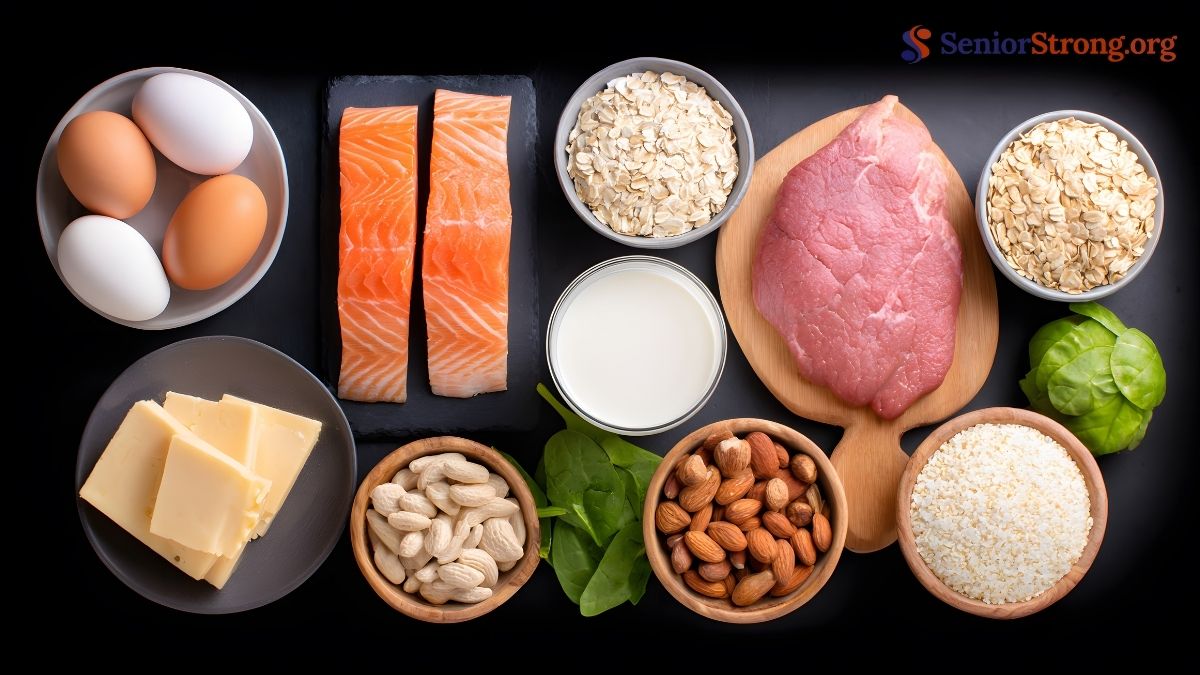
As we age, prioritizing our nutritional needs becomes increasingly important, especially protein intake. Protein supplements can be helpful, but we should evaluate them carefully.
Let's start by checking the protein source—whey, soy, or pea proteins are common and effective. We should also consider the supplement's amino acid profile, ensuring it contains essential amino acids vital for muscle health.
Next, let's examine the product's sugar and additive content, as these can affect our overall health. Low sugar and minimal additives are best.
Finally, we should think about our dietary restrictions or allergies, ensuring the supplement aligns with our needs. Consulting with a healthcare provider before starting any new supplement regimen is always a good idea, ensuring it fits our individual health goals.
As we've explored, protein is essential for seniors' health, supporting muscle strength, digestion, and overall well-being. By including a mix of animal and plant-based proteins like chicken, salmon, beans, and tofu, we can guarantee a balanced diet. Let’s focus on variety and ease of digestion to maintain independence and enhance our quality of life. Remember, a mindful approach to incorporating protein can make all the difference in our health journey as we age.