
As we age, our protein needs change, and finding the best sources becomes critical for maintaining health and vitality. For those of us in our 70s, it’s important to take into account both animal-based and plant-based proteins, as each offers unique benefits. How can we guarantee we're getting the right balance to support muscle mass and overall well-being? Let's explore the options that can help us thrive in our golden years.
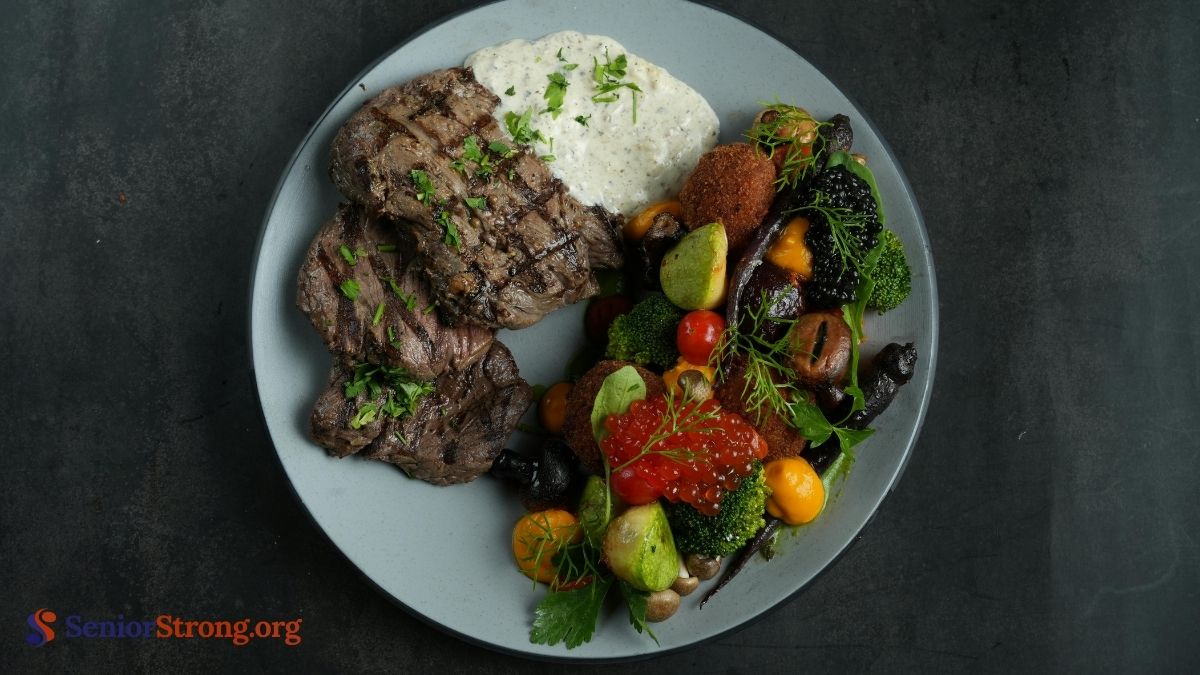
As we age, it’s vital to recognize that our protein needs change and become more significant. Our bodies may not process protein as efficiently, which means we need to adjust our intake to maintain our health.
It’s important to understand that our dietary habits should evolve, especially when it comes to protein consumption.
We should aim to include a variety of protein sources in our meals, such as lean meats, fish, dairy, and plant-based options like beans and lentils. This diversity guarantees we receive all the necessary amino acids our bodies require.
Additionally, spreading protein intake evenly throughout the day can optimize our body's ability to utilize it effectively.
Together, we can make informed choices to support our nutritional well-being as we grow older.
While aging brings natural changes to our bodies, maintaining muscle mass becomes vital, and protein plays a key role in this effort. As we age, we naturally lose muscle strength and size; however, sufficient protein intake can help slow this process.
It's important to consume the right types and amounts of protein to support muscle maintenance and overall health. By integrating high-quality protein into our meals, we can guarantee our muscles get the necessary nutrients for repair and growth.
Let's remember that protein isn't just about building muscle—it's essential for our body's daily functions, including immune support and energy production. We should aim to balance our diet with protein-rich foods to sustain muscle mass and enhance our quality of lifeThe general well-being of individuals and societies, outlining negative and positive features of lif....
When evaluating animal-based protein sources, we must consider both their nutritional value and their impact on our health.
Lean meats like chicken and turkey offer high protein content with lower saturated fat. These options help us maintain muscle without increasing cholesterol levels considerably.
Fish, especially fatty varieties like salmon, provide essential omega-3 fatty acidsEssential fats the body can't make from scratch but must get from food. They have important benefits..., supporting heart health alongside protein intake.
Dairy products, such as yogurt and cheese, offer calciumA mineral essential for life. It is necessary for the proper development and maintenance of healthy ... and vitamin D—important for bone health. However, we should choose low-fat versions to manage calorie intake.
Eggs are another excellent source, rich in essential amino acids, aiding in muscle repair and maintenance.
While these sources are beneficial, it's vital to balance them within our diet, ensuring variety and moderation for overall health.
Although animal-based proteins are valuable, plant-based protein options offer an equally compelling choice for our dietary needs. We can find rich sources of protein in foods like beans, lentils, tofu, and quinoa.
These options aren't only packed with protein but also come with added health benefits, such as fiber, vitamins, and minerals that support our overall well-being.
Let's consider the versatility of these plant-based proteins. We can easily incorporate them into our meals, whether we're crafting a hearty bean stew or a rejuvenating quinoa salad.
Additionally, plant-based proteins are often lower in saturated fats, which is beneficial for heart health. By diversifying our protein sources, we're taking an important step towards maintaining a balanced and nutritious diet.
Just as we've explored the benefits of plant-based protein options, let's now consider how whey protein can play a significant role in the diets of seniors.
Whey protein is a complete protein, meaning it contains all the essential amino acids our bodies need. It’s particularly rich in leucine, which supports muscle maintenance and growth—crucial for seniors looking to maintain strength and mobility.
Whey is also easy to digest and quickly absorbed, making it an ideal choice for enhancing muscle recovery after physical activity. Additionally, it helps support the immune system, which is essential as we age.
Including whey protein in our diet can be as simple as adding it to smoothies or oatmeal, offering both convenience and nutritional benefits.
Let's explore how soy protein offers a nutrient-rich option that's great for our health.
It not only supports heart health but also helps maintain bone density, which is essential as we age.
When considering protein sources that are both nutritious and environmentally friendly, soy protein stands out as a remarkable option. It’s packed with essential amino acids, making it a complete protein that supports our body’s needs as we age.
We can appreciate that soy is rich in fiber, which aids digestion and helps maintain a healthy weight. Additionally, soy contains important minerals like calcium and iron, vital for bone health and energy levels.
Soy's versatility benefits us, too. We can incorporate it into our meals through tofu, edamame, or soy milk. It’s a great alternative for those who prefer plant-based options.
Although plant-based proteins are often overlooked, soy protein offers significant heart health benefits that we should consider. It’s a powerful alternative for those of us aiming to maintain a healthy heart.
Soy protein can help lower LDL cholesterol levels, which is essential for reducing the risk of heart diseaseA broad term for a range of diseases affecting the heart and blood vessels, often related to atheros.... By incorporating soy into our diet, we can improve our overall cardiovascular health.
Soy isoflavonesPlant-derived compounds found in soy products that act like estrogen in the body, often used to alle..., naturally present in soybeans, contribute to these heart benefits. They’re known to support healthy blood vessel function and decrease inflammation, both critical factors in heart health.
Plus, soy protein is low in saturated fat. By choosing soy, we’re not just getting a protein source; we’re embracing a heart-friendly lifestyle that can make a meaningful difference as we age.
While soy protein supports heart health, it also plays an essential role in maintaining strong bones, particularly as we age. Our bones naturally lose density over time, but soy protein can be a plant-powered ally. It’s rich in compounds like isoflavones that help bone health.
Let’s explore why soy protein might be the right choice for us:
Choosing soy can help us keep our bones strong and resilient.
Understanding protein digestibility is essential for maintaining health as we age, especially for those of us who are 70 and older.
As we get older, our bodies may not process nutrients as efficiently, making it vital to focus on the types of protein we consume.
Digestibility refers to how well our bodies can break down and absorb the amino acids from protein sources. High-quality proteins like eggs, dairy, fish, and lean meats are generally more digestible, providing the necessary building blocks for muscle maintenance and repair.
To achieve ideal health, it’s vital for us to maintain a balanced protein intake as we age. A consistent supply of protein supports muscle maintenance, bone health, and energy levels.
As we grow older, our bodies mightn't process proteins as efficiently, making it important to adjust our intake accordingly.
Here's what we should consider:

Incorporating more protein into our daily diet doesn’t have to be complicated.
Let’s start by adding protein-rich foods like eggs, Greek yogurt, or lean meats to our breakfast. These options aren't only nutritious but also easy to prepare.
For lunch, we can include a serving of beans or lentils in our soups or salads, providing a hearty, protein-packed meal.
Snacks are another great opportunity to boost protein intake. We can grab a handful of nuts or a piece of cheese.
At dinner, we might choose fish, poultry, or tofu as our main protein source.
In summary, let's prioritize our protein intake to support our health and vitality as we age. By incorporating a mix of lean meats, fatty fish, dairy, and eggs, along with plant-based options like beans and quinoa, we can guarantee a balanced dietA diet that contains the proper proportions of carbohydrates, fats, proteins, vitamins, minerals, an.... Don't forget about whey and soy proteins, which offer great benefits. It's essential to spread our protein consumption throughout the day and consult with healthcare professionals to tailor our diet to our unique needs.