
As we age, finding the right foods to include in our daily diet becomes increasingly important. One fruit stands out as a top contender for seniors to enjoy every day—blueberries. Packed with antioxidantsSubstances that may protect your cells against free radicals, which may play a role in heart disease... and essential vitamins, they offer numerous health benefits. But what makes blueberries particularly suitable for seniors, and how can we easily incorporate this delicious fruit into our daily meals? Let's explore the reasons behind blueberries' reputation as a superfood for seniors.
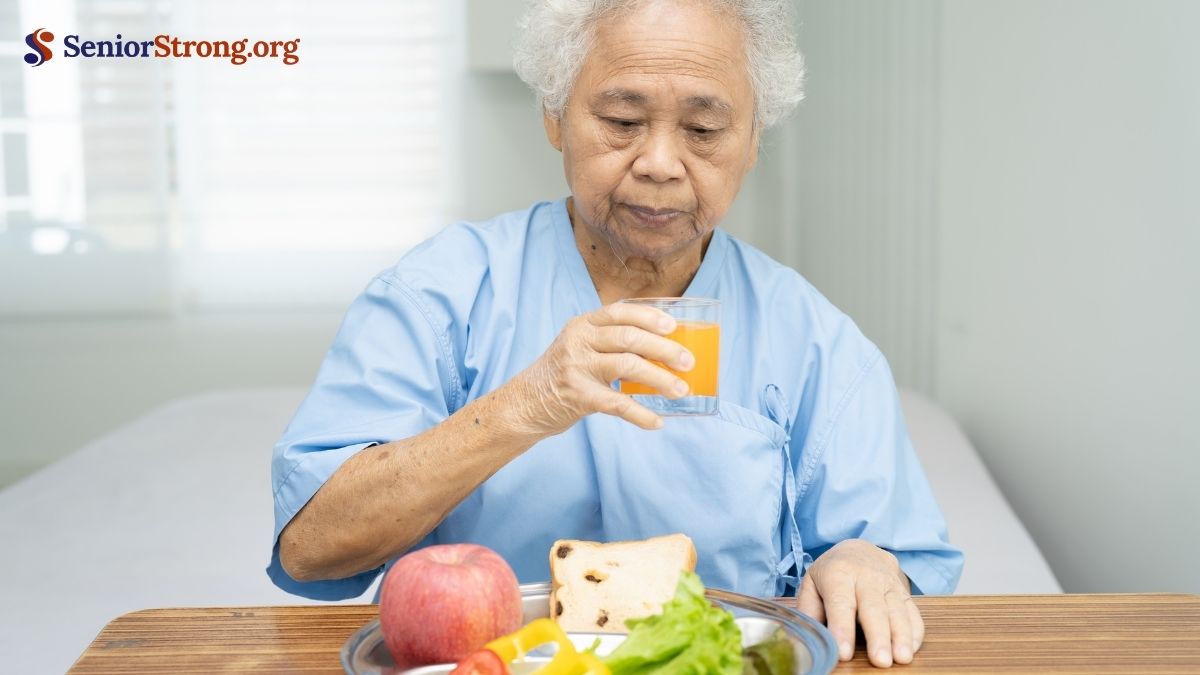
As we age, it’s important to pay attention to our diet, and incorporating fruit is a key part of that. Fruits offer natural sweetness and flavor, making them a delightful addition to our meals. They provide essential hydrationThe process of causing something to absorb water. In seniors, maintaining hydration is critical for ..., which is significant as our bodies become more prone to dehydration over time.
By regularly consuming fruit, we can maintain our energy levels and support our overall well-being, ensuring we stay active and vibrant.
Incorporating fruit into our daily routine can also improve our digestion, helping us avoid discomfort and digestive issues common in seniors.
As we focus on the key nutrients seniors need from fruits, let's consider the benefits they offer.
Essential vitamins and minerals support overall health, while fiber is important for maintaining digestive health.
Antioxidants found in fruits protect our cells, making them a critical part of our diet.
When considering the health of our senior population, it's important to focus on the essential vitamins and minerals they need from fruits to maintain energy.
Fruits are a powerhouse of nutrients, offering key benefits that support overall wellness. Let's explore some important nutrients seniors should prioritize:
Beyond vitamins and minerals, fiber stands out as an essential component in maintaining digestive health for seniors. As we age, our digestive systems can slow down, making regularity a challenge. That's where fiber comes in, helping us stay regular and comfortable.
Fruits, especially those rich in dietary fiberIndigestible substances in foods, made mainly of cellulose, which aid in the digestion process and p..., play a significant role in supporting our digestive health. Fiber not only aids digestion but also helps prevent constipation, a common issue among seniors.
We should aim to include fruits high in both soluble and insoluble fiber in our daily diet. Soluble fiber helps manage blood sugar levels and cholesterol, while insoluble fiber promotes bowel regularity.
While we often focus on vitamins and minerals, antioxidants are essential for protecting our cells from damage. As we age, our bodies become more vulnerable to oxidative stressAn imbalance between free radicals and antioxidants in the body, which can lead to cellular damage a..., which can lead to various diseases. Antioxidants neutralize harmful free radicals, supporting our overall health.
Including fruits rich in antioxidants in our diet is fundamental for seniors. Let's explore why:
As we age, it's important to understand how antioxidants play a role in keeping us healthy.
These powerful compounds help combat cellular damage and support our immune function, both fundamental for maintaining vigor in our later years.
When we think about aging, one key aspect to contemplate is the impact of cellular damage, which accumulates over time. Our cells are constantly exposed to free radicals, unstable molecules that can harm cell structures.
Antioxidants play an essential role in neutralizing these free radicals, helping us combat cellular damage and slow aging.
To better understand antioxidants' role, let's consider:
Antioxidants do more than just combat cellular damage; they also play a vital role in supporting our immune function, especially as we age.
As our bodies grow older, our immune systems can weaken, leaving us more susceptible to illnesses. Antioxidants help by neutralizing free radicals, which can otherwise damage cells and impair immune response.
By including antioxidant-rich fruits in our diet, like the recommended number one fruit for seniors, we can bolster our body's defenses. This proactive approach aids in maintaining a robust immune system, capable of fighting off infections more effectively.
While many factors contribute to a robust immune system, fruits play an essential role in fortifying our defenses. Packed with vitamins, minerals, and antioxidants, fruits help us combat infections and promote overall health.
Let’s explore how they work their magic:
When selecting fruits for seniors, we should prioritize nutritional value to guarantee they get essential vitamins and minerals.
It's important to take into account how easily the fruit can be digested and whether it's safe for any dietary restrictions.
Let's also focus on fruits rich in antioxidants and those that help with hydration to support overall health.
As we consider the nutritional value of fruits for seniors, it's important to focus on specific factors that cater to their unique dietary needs.
Seniors often require nutrients that support bone health, immune function, and overall wellness. Prioritizing fruits rich in essential vitamins and minerals can make a significant difference in their well-being.
When selecting fruits, we should consider:
Choosing fruits for seniors involves considering their digestibility and safety to guarantee maximum health benefits. As we age, our digestive systems can become more sensitive, so we should prioritize fruits that are easy on the stomach.
Soft-textured fruits like bananas and ripe pears are gentle and less likely to cause discomfort. We should also consider allergies or sensitivities that seniors might have. Picking fruits that are less likely to trigger allergic reactions is vital for safety.
Furthermore, let's remember that some fruits, like grapes and cherries, can be choking hazards if not properly prepared. It’s important to cut or mash them to a manageable size.
Ensuring safety and ease of digestion is just one aspect of selecting the right fruits for seniors; we also need to focus on their antioxidant content and hydration benefits.
Antioxidants play an essential role in protecting cells from damage and boosting overall health. Meanwhile, hydration is essential for maintaining skin elasticity, joint lubrication, and proper organ function.
When choosing fruits, let's consider options that offer these benefits without added complications.
Among the variety of fruits available, one stands out as the top pick for seniors—blueberries. Why do blueberries deserve this spotlight? First, they’re incredibly versatile. We can add them to our oatmeal, yogurt, or simply snack on them fresh. They effortlessly fit into any meal or diet plan, making it easy for us to enjoy them daily.
Moreover, blueberries boast a unique appeal due to their vibrant color and sweet-tart flavor, making them a delightful treat we look forward to. Their small size and soft texture make them easy to chew and digest, which is particularly important for seniors.
Blueberries pack a powerful nutritional punch that makes them a top choice for seniors. They’re tiny, yet they offer immense health benefits that can support our well-being as we age.
Let’s explore these benefits to understand why they’re so valuable:
Given the remarkable nutritional benefits of blueberries, finding ways to incorporate them into our daily meals can be both enjoyable and rewarding.
We can start our day by sprinkling fresh blueberries over our morning oatmeal or cereal. They add a delightful burst of flavor and color.
Let's not forget about smoothies—blending them with yogurt and a banana makes for a quick, nutritious breakfast.
For lunch, tossing a handful of blueberries into a salad adds a sweet contrast to savory ingredients. We can also enjoy them as a simple snack, either fresh or mixed with nuts.
In the evenings, adding blueberries to our desserts like yogurt parfaits or even baked goods can make our meals feel special while boosting our health.
While blueberries are a fantastic choice, they're not the only fruit that can benefit seniors.
Let's explore a few others that offer unique health advantages. First, bananas are rich in potassium, supporting heart health and aiding in maintaining healthy blood pressure levels. They’re also easy to digest, making them gentle on our stomachs.
Additionally, consider apples, which provide fiber and vitamin C, both of which are essential for maintaining a healthy digestive system and boosting our immune system. Plus, they’re convenient for on-the-go snacking.
Lastly, oranges offer an excellent source of vitamin C and antioxidants, promoting skin health and helping to wardA person, often a minor or an incapacitated senior, who is placed under the protection of a legal gu... off infections. Their juicy sweetness is a delightful treat.
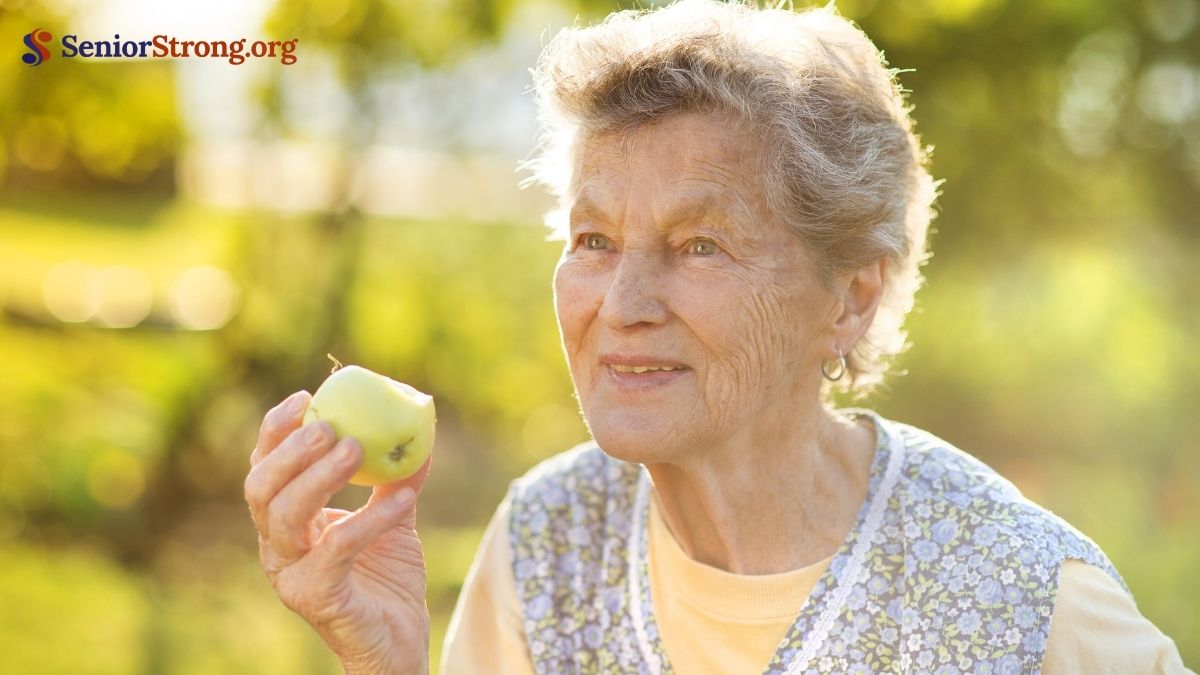
How do we make the most of our fruit shopping trips? First, let's choose fruits that are in season for better taste and price. Checking local farmers' markets can also be a great way to find fresh options.
When selecting fruits, look for vibrant colors and a firm feel. Avoid bruised or overly soft spots, as these can indicate spoilage.
Once home, proper storage is key. For instance, keep bananas separate from other fruits to prevent them from ripening too quickly. Store apples and berries in the fridge to maintain freshness.
If we buy fruits like grapes or strawberries, don't wash them until we're ready to eat, as moisture can speed up decay. By following these tips, we guarantee our fruits stay fresh longer.
Incorporating fruits into our daily diet is vital, especially as we age. By choosing nutrient-rich options like blueberries, we're not only satisfying our taste buds but also boosting our overall health. These tiny powerhouses are packed with antioxidants and essential vitamins that support our immune system and digestion. Let's make it a habit to include blueberries in our meals, whether in smoothies or as a quick snack. Together, we can enhance our well-being and enjoy a healthier lifestyle.