Let's talk about the two main signs of malnutritionA condition that results from eating a diet in which nutrients are either not enough or are too much... in older adults: unintended weight loss and muscle weakness. We often overlook these subtle indicators, but they can markedly affect an elderly person's health and independence. Understanding these signs is essential for ensuring their well-being. What causes these changes, and how can we address them effectively?
Why do so many elderly individuals experience unintended weight loss?
As we age, our bodies undergo various changes that can affect appetite, digestion, and nutrient absorption. We might notice our loved ones eating less or complaining about a decreased sense of taste or smell. These changes can contribute to a reduction in food intake, leading to weight loss.
Additionally, chronic illnesses often play a role, as they can increase metabolic demands or cause symptoms like nausea that deter eating. Medications, too, can have side effects impacting appetite.
Let's not forget the social and emotional factors; isolation or depression can diminish interest in meals.
Let's focus on muscle weakness as a vital sign of malnutrition in the elderly.
When we notice a loss of muscle mass, it often leads to reduced physical strength and increased difficulty in mobility.
Muscle tissue, essential for strength and mobility, often diminishes in the elderly, signaling potential malnutrition. When we notice a significant loss of muscle mass in older adults, it raises a red flag.
It's vital for us to understand that this isn't just a natural part of aging but may indicate inadequate nutrition. As muscle mass decreases, the body's ability to maintain balance, posture, and overall physical function weakens.
We should pay attention to how clothes fit or if there's a visible reduction in arm and leg size. By recognizing these changes, we can take action to address nutritional needs proactively.
Let’s guarantee our loved ones receive the nutrients necessary to preserve muscle health and avert further complications.
Although aging often brings changes to our physical capabilities, reduced physical strength in the elderly can be a significant indicator of malnutrition. When nutrient intake isn’t sufficient, it impacts muscle function and strength, making daily tasks more challenging.
We might notice our loved ones struggling to lift items they once handled easily or feeling fatigued after minimal exertion. This muscle weakness can lead to a cycle of decreased activity, further diminishing strength.
Let’s pay attention to these signs because they help us recognize potential nutritional deficienciesOccur when the body doesn't absorb or get from food the necessary amount of a nutrient; deficiencies.... Addressing these concerns early, with proper diet and care, can improve strength and quality of lifeThe general well-being of individuals and societies, outlining negative and positive features of lif....
We should consult healthcare providers if we observe persistent weakness to guarantee our elders receive the support they need.
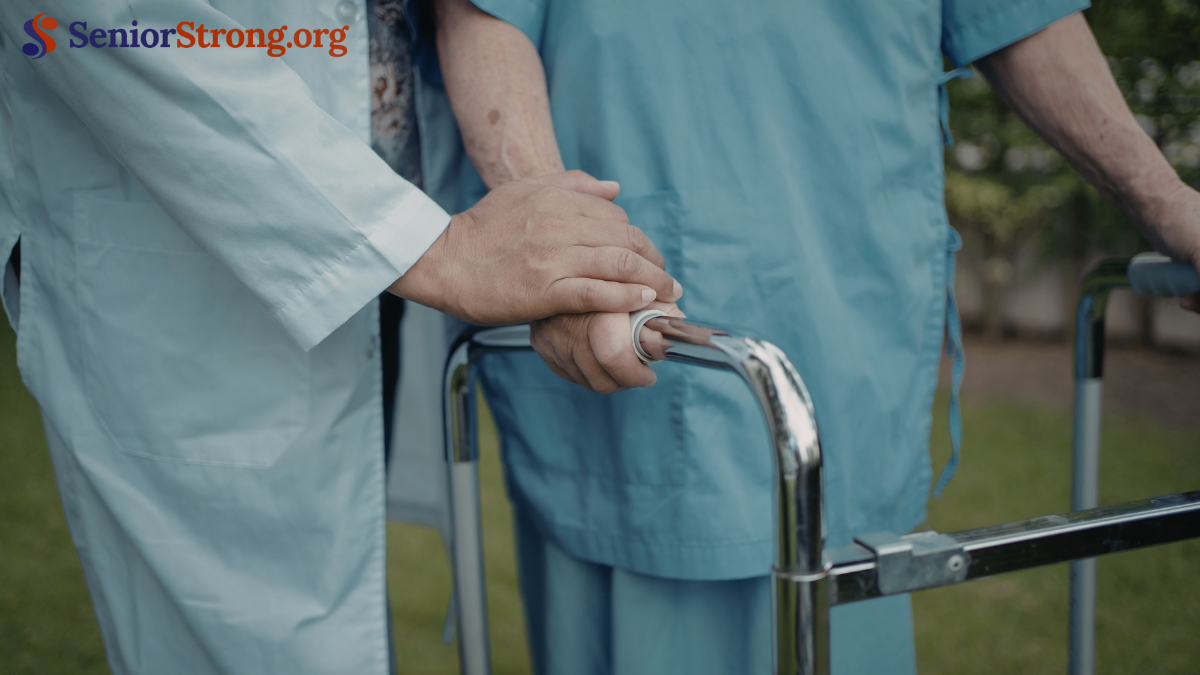
When we notice our elders experiencing difficulty in mobility, it might be a sign of underlying muscle weakness, which is often linked to malnutrition.
Recognizing these signs early can make a significant difference in their quality of life. Muscle weakness can manifest in various ways, impacting their daily activities and independence.
Here's what we should look out for:
As we explore the effects of malnutrition, we see how it weakens the immune system, leaving our elderly more susceptible to infections.
Reduced muscle mass not only affects mobility but also increases the risk of falls and fracturesIncidents where seniors fall and sustain injuries such as bone fractures, significantly impacting mo....
Together, these impacts greatly compromise overall health and quality of life.
Malnutrition greatly weakens the immune system, making the elderly more susceptible to infections and diseases. When our nutritional needs aren't met, our bodies struggle to fend off illnesses.
This vulnerability can manifest in various ways, impacting overall health and wellbeing. Let's explore some key aspects:
Beyond its impact on the immune system, malnutrition considerably affects muscle mass in the elderly. When we don't get enough nutrients, our bodies struggle to maintain the muscle tissue that's fundamental for mobility and strength.
This isn't just about being physically active; muscle mass reduction can lead to greater frailty, increasing the risk of falls and injuries. We should consider how essential muscles are in performing daily tasks, from standing up to walking.
Recognizing the signs of muscle loss is imperative. We might notice clothes fitting looser or feel weaker over time.
Addressing this involves ensuring a balanced dietA diet that contains the proper proportions of carbohydrates, fats, proteins, vitamins, minerals, an... rich in protein and other nutrients. It’s about being proactive in preventing further decline and maintaining the quality of life we all deserve.
How can we effectively identify and address the nutritional needs and deficiencies in the elderly?
First, we need to look at their dietary intake. By keeping track of what they eat, we can spot gaps in essential nutrients.
Observing physical signs is another key step. Weight loss or changes in skin texture can signal deficiencies.
Additionally, we should evaluate their medical history, as certain conditions might influence nutritional absorption.
Here are three important aspects to evaluate:
Together, these steps help us understand and address their needs.
When tackling malnutrition in seniors, we must employ targeted strategies that guarantee they receive adequate nutrition.
First, let's prioritize balanced meals rich in essential nutrients. We can collaborate with dietitians to create meal plans that cater to individual dietary needs, focusing on high-calorie, nutrient-dense foodsFoods that have a lot of nutrients but relatively few calories. They contain vitamins, minerals, com.... It's essential to ascertain meals are appetizing and easy to consume, considering any dental or swallowing issues.
Next, regular health check-ups are important. By monitoring weight and nutritional markers, we can catch deficiencies early.
Also, let's encourage hydrationThe process of causing something to absorb water. In seniors, maintaining hydration is critical for ... by offering fluids throughout the day, as dehydration often accompanies malnutrition.
Lastly, promoting social dining experiences can enhance appetite and enjoyment.
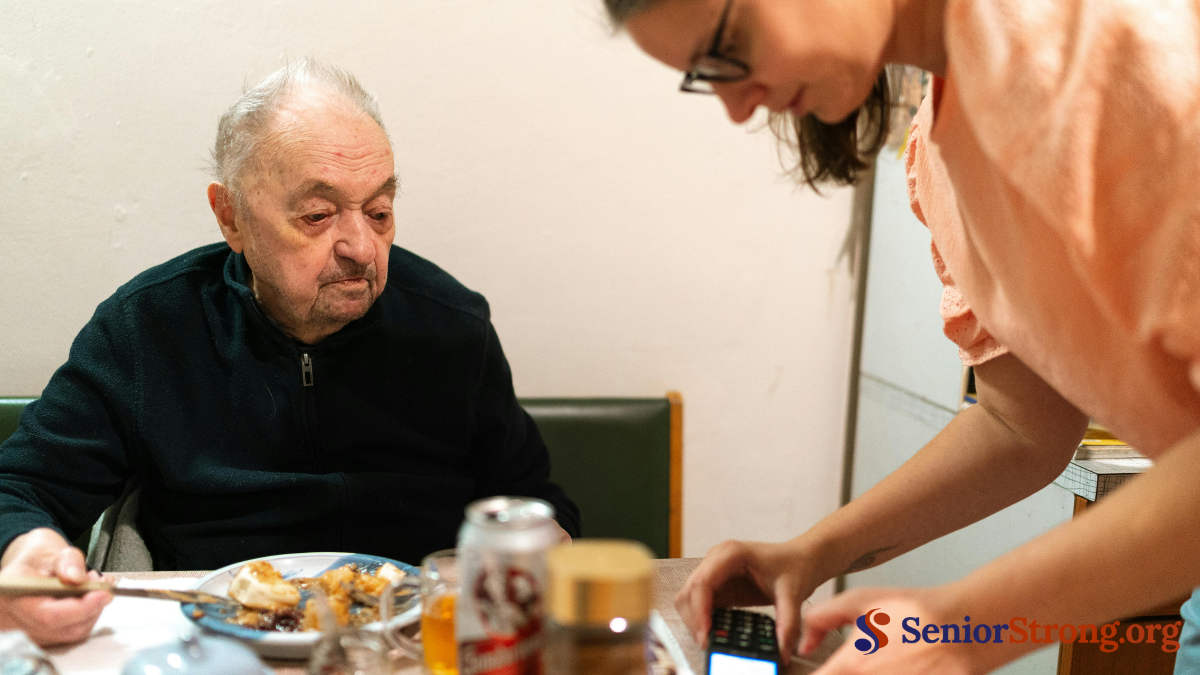
Caregivers play an essential role in monitoring the nutrition of seniors, ensuring they maintain a healthy diet and lifestyle. We need to be vigilant and proactive, as our attention to detail can make all the difference in preventing malnutrition.
By closely observing their eating habits, we can identify any red flags early on. It’s vital to communicate openly with seniors about their dietary needs and preferences, fostering a supportive environment.
While caregivers are essential in monitoring nutrition, it's just as important for us to focus on proactive strategies to prevent malnutrition in seniors.
First, let's confirm a balanced diet rich in essential nutrients. We can make meals colorful and varied, incorporating fruits, vegetables, whole grains, and lean proteins. Regularly scheduling meals and snacks helps maintain consistent intake and energy levels.
Hydration is vital, so let's encourage drinking water throughout the day. Sometimes, seniors might need supplements, but we should consult healthcare providers before adding them.
Let's also create a pleasant dining environment to encourage eating, whether with company or favorite music. By taking these steps, we can greatly reduce the risk of malnutrition and improve overall well-being.
To summarize, we must stay vigilant in recognizing the signs of malnutrition in our elderly loved ones. Unintended weight loss and muscle weakness are critical indicators that shouldn’t be overlooked. By actively monitoring their nutritional needs and addressing any deficiencies, we can help maintain their overall health and well-being. Let’s work together with caregivers to implement effective strategies and preventative measures, ensuring our seniors enjoy a healthier, more fulfilling life. Remember, their nutrition is our responsibility too.