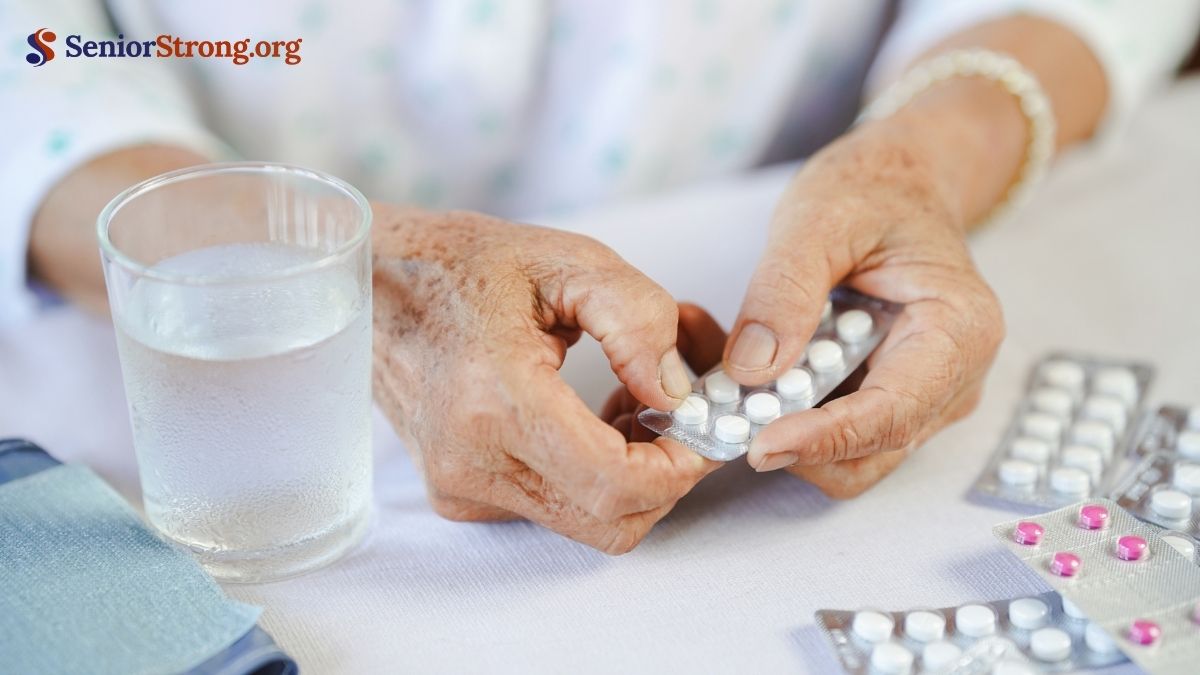
Let's explore an essential topic: supplements seniors should avoid. We often hear about the benefits, but some can pose serious risks. High-dose iron, for instance, might lead to organ damage, while vitamin A can cause dizziness and fractures. CalciumA mineral essential for life. It is necessary for the proper development and maintenance of healthy ... supplements could be linked to heart issues, and St. John's Wort might interfere with medications. It's vital for us to know which supplements could harm more than help. Curious to learn more?
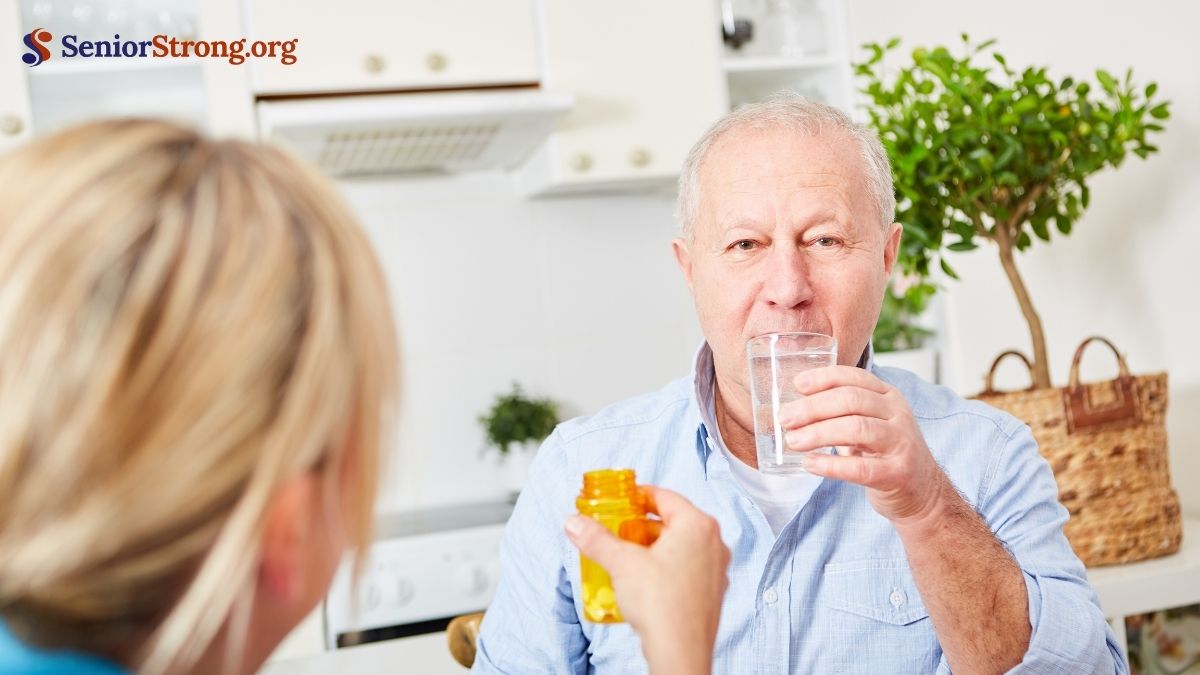
When it comes to supplements, we must be cautious about how they interact with medications seniors are already taking. Many of us might think that adding a supplement is harmless, but some can dangerously affect the efficacy of prescription drugs.
For instance, St. John's Wort, often taken for mood improvement, can reduce the effectiveness of medications like blood thinners or antidepressants. Similarly, ginkgo biloba, popular for boosting memory, may increase bleeding risk when combined with blood thinners or aspirin.
We should always consult healthcare providers before starting any new supplement, ensuring it won't interfere with existing treatments. By doing this, we can protect our loved ones from unintended health risks and maintain the effectiveness of their prescribed medications.
Although vitamins are essential for our health, too much of a good thing can be harmful, especially in the case of vitamin A. When we consume excessive amounts, it can lead to serious health issues.
For seniors, who may already face other health challenges, the risks are even more pronounced. High doses of vitamin A can cause dizziness, nausea, and even liver damage. Over time, it may contribute to osteoporosis, increasing the likelihood of fractures.
This is particularly concerning since seniors are more prone to bone-related issues. It’s vital for us to monitor our vitamin A intake, especially if we’re taking supplements.
Let’s make certain we’re getting just the right amount through a balanced dietA diet that contains the proper proportions of carbohydrates, fats, proteins, vitamins, minerals, an..., avoiding unnecessary risks associated with excessive consumption.
While iron is an essential nutrient for maintaining healthy blood and energy levels, high-dose iron supplements can pose significant risks, especially for seniors. We need to be cautious about the amount of iron we consume.
Here are some potential dangers of high-dose iron supplements:
Let's be mindful of iron intake and consult with healthcare professionals before using supplements.
As we age, it’s important to evaluate the supplements we take, especially calcium, which many believe is important for bone health.
However, we must be cautious. Recent studies suggest a possible link between calcium supplements and cardiovascular issues, like heart attacks and strokes. The theory is that excessive calcium can accumulate in our arteries, leading to plaque buildup and increased heart risks.
Instead of relying solely on supplements, let's focus on getting calcium from natural food sources, such as dairy products, green leafy vegetables, and fortified foodsSimilar to enriched foods, these have additional vitamins and minerals not originally present or pre....
These options provide a balanced intake without overwhelming our system. If we're considering supplements, it’s prudent to consult with our healthcare provider to guarantee we're maintaining heart health while supporting our bones.
Just as we need to be cautious about calcium supplements, we should also pay attention to the interactions between herbal supplementsBotanical products consumed to improve health and alleviate symptoms of various conditions, which se... like St. John’s Wort and prescription drugs. This herbal remedy, often used for mood enhancement, can alter the effectiveness of medications.
Let’s consider how it affects our prescriptions:
We must consult with our healthcare providers before adding St. John’s Wort to avoid these interactions.
Together, we can make informed choices.
When we think about the health benefits of herbal supplements, it’s easy to overlook their potential impact on our liver. While herbs like kava, black cohosh, and green tea extract promise various health benefits, they can also pose significant risks to our liver health.
Our liver processes these substances, and sometimes, the compounds in herbal supplements can lead to liver damage or exacerbate existing liver conditions.
It's essential for us to be aware that herbal doesn't always mean safe, especially for seniors who may already have compromised liver function.
Let's remember to consult healthcare professionals before adding new supplements to our routine. They can help us weigh the benefits against potential risks, ensuring we make informed decisions for our health.
As we age, it's essential that we stay informed about the supplements we take. Let’s make sure to consult our healthcare providers before introducing any new supplements into our routine. We shouldn’t underestimate the risks associated with high-dose iron, excessive vitamin A, and calcium supplements, as well as the potential interactions with St. John's Wort. By prioritizing our health and being cautious, we can avoid unnecessary complications and maintain our well-being.