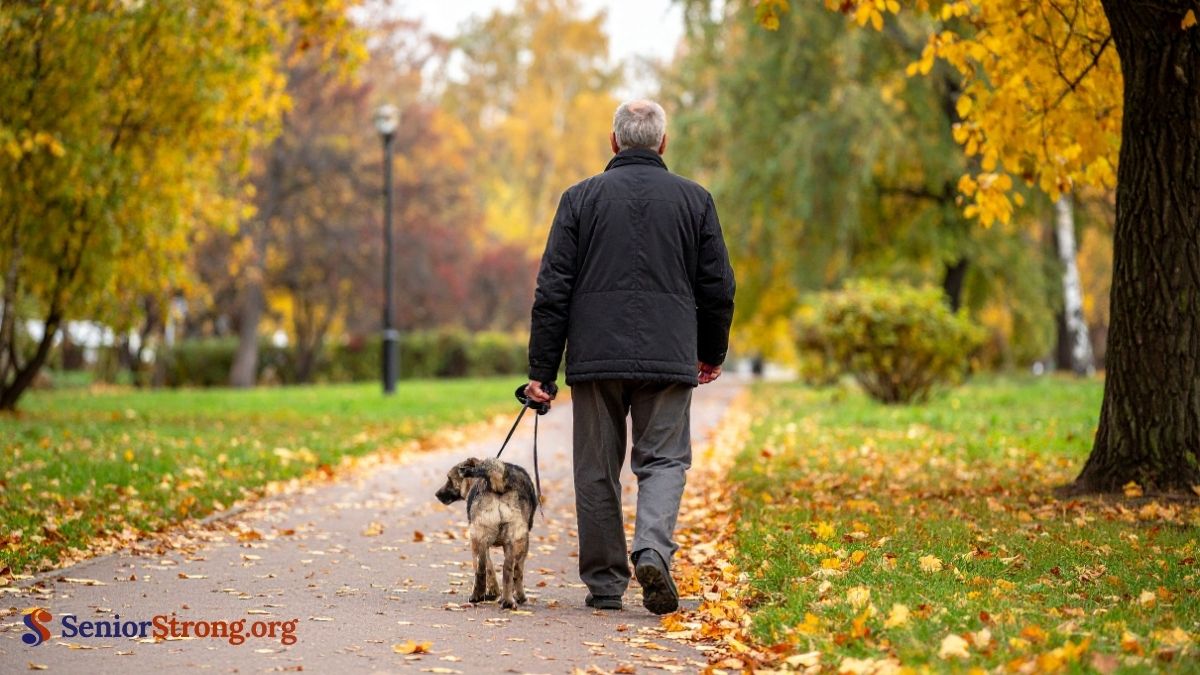
When we reach our 70s, staying active becomes essential, and walking is an excellent way to maintain our health and liveliness. But how far should we aim to walk each day? It's not just about the miles; it's about understanding our fitness levels and listening to our bodies. Starting at a comfortable pace and gradually increasing the distance can make all the difference. Let's explore the ideal daily walking goals and how to achieve them safely.
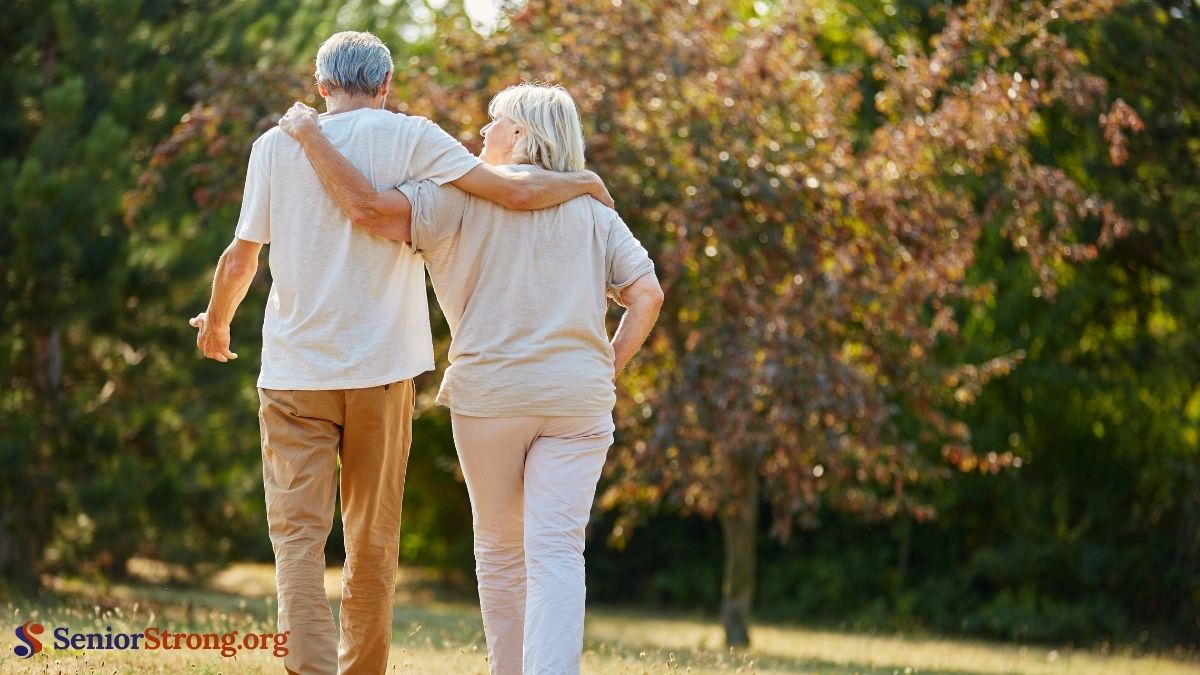
Walking is a simple yet powerful way for seniors to enhance their overall well-being. When we walk regularly, we help maintain our physical health, boost energy, and improve our mood. It’s a fantastic way to keep joints flexible and reduce the risk of chronic diseases like heart conditions or diabetesA chronic condition that affects the way the body processes blood sugar (glucose), requiring ongoing....
Walking also strengthens our muscles, supporting better balance and reducing the risk of falls.
Mentally, walking clears our minds, offering a break from daily stress and promoting better sleep at night. It’s a chance to connect with nature or socialize with friends, enhancing our emotional health.
Before we commence on a walking routine, let's consider our current fitness levels and any health conditions we might have. Understanding these factors helps us tailor our approach, ensuring safety and effectiveness.
If we've been inactive, starting slowly is vital. We should listen to our bodies and not push beyond comfort.
Existing health conditions, such as arthritisAn inflammation of the joints that causes pain and stiffness and is more common in older adults. or heart issues, might require us to consult with a healthcare provider before beginning. They can offer personalized advice, keeping our safety in mind.
Let's remember that everyone’s fitness level is different. Some of us might manage longer walks, while others might start with shorter distances. Knowing our limits allows us to progress gradually, paving the way for a sustainable and enjoyable walking habit.
Let's consider how far we should aim to walk every day as we age. Walking is a fantastic, low-impact exercise that helps maintain our health. For most older adults, aiming for about 30 minutes of walking each day, roughly equating to 1.5 to 2 miles, is beneficial. This moderate amount helps us keep our hearts, muscles, and joints in good condition without overstraining ourselves.
We should remember that everyone’s starting point is different. If we're just beginning, it's okay to start with shorter distances and gradually increase as our stamina improves.
Walking at a comfortable pace guarantees we’re benefiting without feeling exhausted. By setting achievable goals, we can maintain motivation and enjoy the numerous health benefits of regular walking.
As we commence our daily walks, it's important to tune into our body's signals to guarantee we're not overexerting ourselves. Our bodies communicate through various signs, and recognizing these can prevent injury.
If we notice sharp pains, unusual fatigue, or dizziness, these might be indicators to pause and assess our condition. Shortness of breath or persistent discomfort shouldn't be ignored either.
We need to pay attention to how we feel during and after our walks. Are we energized or drained? Tracking these responses can guide us in adjusting our pace or distance accordingly.
Let's remember that everyone's limits differ, and it's okay to modify our routine based on what our body tells us. Listening carefully guarantees a safe and enjoyable walking experience.
Even though we may be enthusiastic to maintain a consistent walking routine, incorporating rest and recovery days is essential for our well-being. Our bodies need time to repair and rebuild, especially as we age.
This approach prevents overuse injuries and keeps us energized for future walks. It’s vital to listen to our bodies and recognize when a break is needed.
On our rest days, we can focus on activities that promote recovery and relaxation. Consider the following:
As we enhance our walking routine, let's focus on monitoring our health indicators and choosing proper footwear.
Keeping an eye on our heart rate and any signs of discomfort helps us walk safely and effectively.
Wearing supportive shoes reduces the risk of injury and keeps our feet comfortable on every step.
Keeping track of health indicators is vital for safely enhancing our walking routine. Let’s focus on monitoring a few key aspects that help us stay on track and feel confident in our progress.
By paying attention to these indicators, we’re not only taking control of our well-being but also guaranteeing our walking remains a source of joy and health.
Monitoring these helps us walk safely!
Selecting the right footwear is essential for enhancing our walking routine safely and comfortably. When we choose shoes, let's prioritize comfort and support. A shoe with a cushioned sole and good arch support can prevent discomfort and reduce the risk of injury.
It's important to guarantee the shoes fit well, leaving enough room for our toes to move without slipping at the heel. Breathable materials can help keep our feet cool and dry during walks.
We shouldn't underestimate the impact of proper footwear on our walking experience. By selecting the right pair, we're not only investing in our comfort but also in our long-term health.
Let's regularly check for wear and replace shoes when they no longer provide the necessary support.
Let's focus on how a balanced dietA diet that contains the proper proportions of carbohydrates, fats, proteins, vitamins, minerals, an... and proper hydrationThe process of causing something to absorb water. In seniors, maintaining hydration is critical for ... can enhance our daily walks.
By nourishing our bodies with the right nutrients, we support energy levels and muscle function, making our walks more enjoyable and effective.
Staying well-hydrated boosts our performance, helping us walk with more stamina and comfort.
While walking is a fantastic way for a 70-year-old to stay active, it’s equally important to pair this with a balanced diet and proper hydration to augment the benefits.
We can’t underestimate the power of nutrition. It fuels our bodies, helping us sustain energy and build strength.
Here’s what a balanced diet can do for us:
Although we often focus on nutrition, let's not overlook how essential hydration is for enhancing our walking performance. Staying hydrated helps maintain energy levels and keeps our muscles functioning properly.
When we’re well-hydrated, our bodies can regulate temperature better, which is vital when we’re out for a walk, especially in varying weather conditions.
We need to drink water before, during, and after our walks. It’s not just about quenching thirst—hydration aids digestion and nutrient absorptionThe body's ability to absorb and utilize nutrients from food, which can decrease in efficiency as pe..., ensuring our muscles get the fuel they need.
We should aim for at least eight 8-ounce glasses of water daily, adjusting based on our activity level and climate. By prioritizing hydration, we can walk longer and feel more comfortable, making our daily walks more enjoyable and beneficial.

Setting personal goals and tracking progress are essential steps in maintaining a consistent walking routine for those of us at 70. By setting achievable goals, we stay motivated and celebrate our accomplishments.
Let’s remind ourselves why this matters:
Once we’ve set our goals, let’s track them using a journal or a simple app.
Reflecting on our journey not only shows us how far we’ve come but also inspires us to keep moving forward.
Together, we can make every step count.
Ultimately, we should aim to incorporate a daily walking routine into our lives, focusing on comfort and gradual improvement. By evaluating our fitness levels and listening to our bodies, we can safely enjoy the health benefits of walking. Let’s not forget to take rest days, stay hydrated, and eat well to support our efforts. Together, we can set personal goals and track our progress, ensuring that walking remains a joyful and beneficial activity.