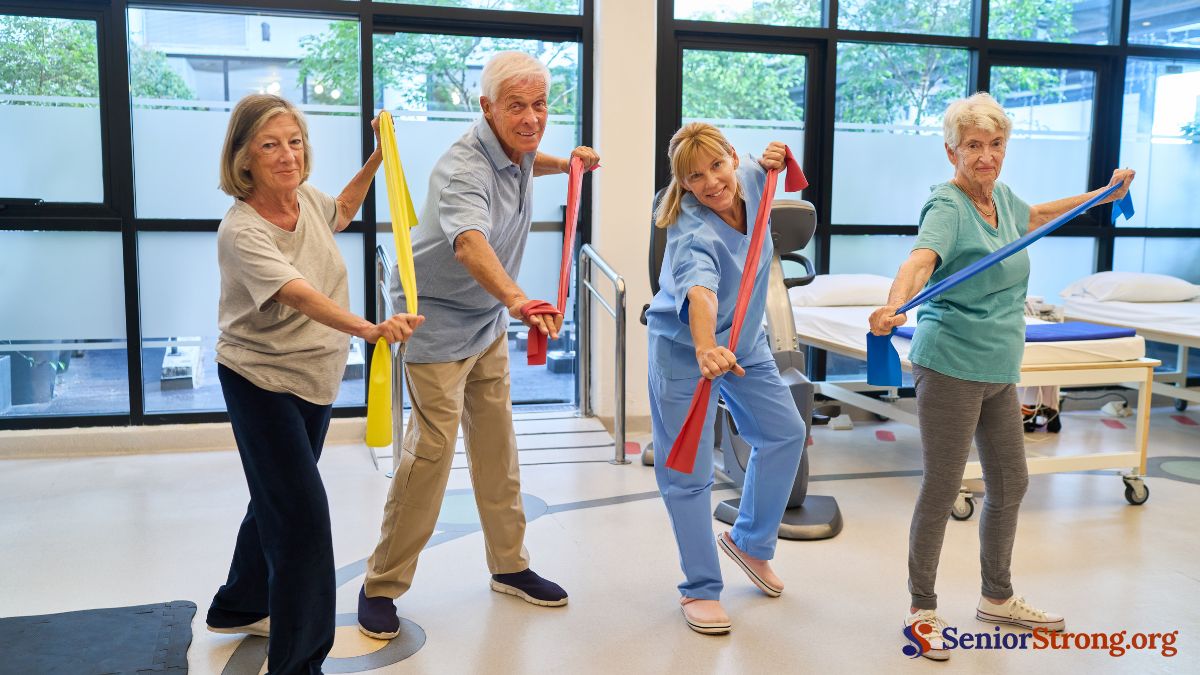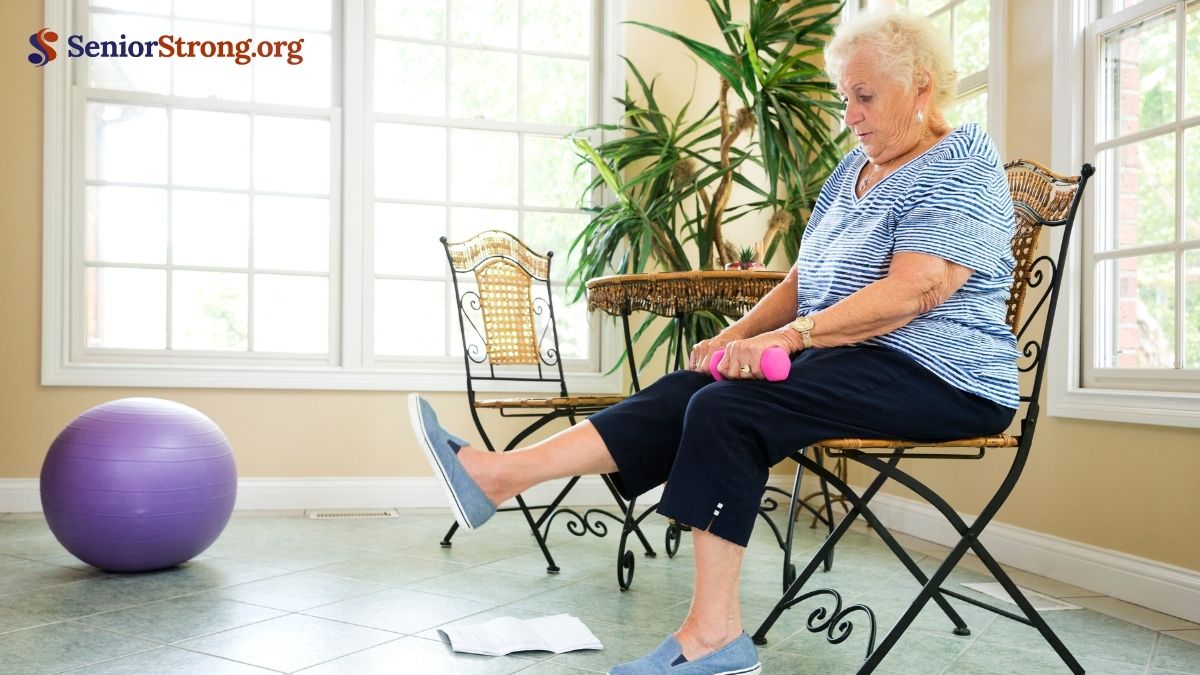
As we age, it's essential to stay active, but we often make common mistakes that can hinder our progress and safety. Ignoring body signals, like pain or fatigue, is a significant issue, leading to overexertion and potential injuries. Skipping warm-ups and cool-downs or neglecting balance and flexibility exercises can also increase risks. We may focus too much on cardio, overlooking strength training's benefits. What other pitfalls might we encounter on our fitness journey?
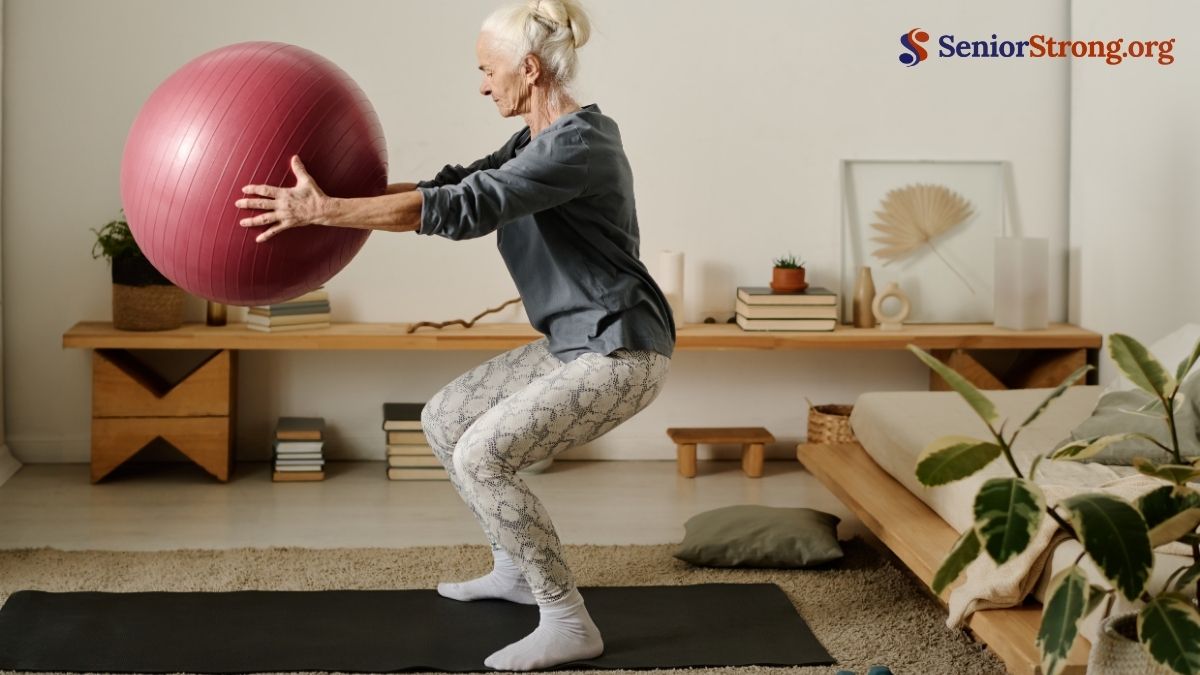
When we exercise, it’s vital to listen to our bodies because overexertion can lead to injuries, especially for seniors. We often think pushing through discomfort willA legal document that states how a person's property should be managed and distributed after death. make us stronger, but ignoring pain or fatigue can be detrimental. Our bodies give signals like shortness of breath, dizziness, or sharp aches, indicating we need to pause or adjust our routine.
Let's prioritize understanding these signs to prevent harm.
As we age, recovery times increase, and our bodies require more care. It’s important we respect our limits and not compare ourselves to younger individuals or even our past selves.
Embracing a pace that feels right for us guarantees longevity in our fitness journey. By doing so, we maintain health without risking injury.
Before diving into any exercise, it's essential that we don't overlook the importance of warm-ups and cool-downs. Skipping these vital steps can lead to increased risk of injury, especially for seniors.
Warm-ups gradually prepare our muscles and joints, boosting circulation and flexibility. This reduces the chance of strains or sprains. Just five to ten minutes of gentle activity, like walking or dynamic stretches, can make a difference.
After exercising, cool-downs help our bodies return to a resting state. They prevent dizziness and promote recovery by gradually lowering our heart rate. Stretching during this phase also aids in reducing muscle soreness.
Prioritizing these routines guarantees we’re taking care of our bodies, allowing us to enjoy consistent and effective workouts safely.
Just as warm-ups and cool-downs are key to a safe workout, focusing on balance and flexibility is essential for seniors aiming to maintain their independence and prevent falls.
As we age, our muscles naturally lose strength and elasticity. This makes it vital for us to include exercises that enhance our balance and flexibility in our routines. Simple actions, like standing on one foot or gentle stretching, can greatly boost our stability and range of motion.
Let’s not overlook activities such as yogaA mind and body practice with historical origins in ancient Indian philosophy, which includes physic... or tai chiA form of exercise that emphasizes slow, controlled movements and is often used for stress reduction..., which are excellent for improving both balance and flexibility.
While cardio exercises are important for heart health and endurance, focusing solely on them can lead us to overlook other essential aspects of fitness.
Strength training, for example, helps us maintain muscle mass and bone density, which is vital as we age. By incorporating resistance exercises, we can improve our overall strength and stability, reducing the risk of falls and injuries.
Let’s not forget the benefits of flexibility and balance exercises, which play a significant role in our daily activities. Engaging in a well-rounded fitness routine guarantees we remain agile and independent.
Mixing in strength and flexibility exercises with our cardio routine provides a more thorough approach to our health. It’s about creating a balanced plan that supports our entire well-being.
In our quest for a balanced fitness routine, we must pay close attention to the form and technique we use during exercises. Using incorrect form can lead to injuries, especially as we age.
Let's remember that quality trumps quantity. When we rush through exercises or lift weights improperly, we're not engaging the right muscles, which limits benefits and increases risk.
It's important to understand each movement before we start. Videos, classes, or trainers can help us learn the proper techniques. We should focus on maintaining balance and posture and avoid overexerting ourselves.
Taking the time to adjust and correct our form guarantees we're exercising safely and effectively, allowing us to achieve our fitness goals without unnecessary setbacks.
Many of us understand the importance of regular exercise, yet an inconsistent routine often undermines our efforts. We might start with enthusiasm, but life’s interruptions can easily derail our plans.
It's essential to establish a schedule that fits our lifestyle, ensuring we stay on track. When we skip sessions, we lose momentum and motivation, making it harder to resume. By setting realistic goals and finding activities we enjoy, we’re more likely to stick with it.
Let’s consider variety in our regimen. Mixing different types of exercise keeps things interesting and provides balanced benefits.
We should also track our progress; seeing improvements, no matter how small, encourages continuity. Remember, consistency is key to achieving and maintaining our health and fitness goals.

As we embrace an active lifestyle, it's essential that we don't underestimate the power of rest and recovery.
Prioritizing good sleep and taking short naps can greatly enhance our physical performance and overall well-being.
Let's also remember to schedule active rest days, allowing our bodies to rejuvenate and prepare for future workouts.
While we often focus on exercise routines and diet, it’s vital not to underestimate the power of rest and recovery for seniors. Our bodies need time to repair and rejuvenate after physical activity, and a good night's sleep plays a significant role in this process. Adequate rest enhances muscle recovery, boosts cognitive function, and improves overall well-being.
Let’s also remember that naps can be beneficial. Short, revitalizing naps during the day can help us recharge, especially if nighttime sleep isn’t sufficient.
It’s important to listen to our bodies and recognize when we need a break. Prioritizing sleep and integrating naps into our routine guarantees that our bodies remain strong and resilient, allowing us to continue enjoying our activities.
Even though we often focus on intense workouts, we shouldn't overlook the value of active rest days in our exercise routines.
These days are essential for seniors, aiding in recovery and preventing burnout. Active rest doesn't mean doing nothing; it involves low-intensity activities like walking, stretching, or yoga.
These gentle exercises help maintain blood flow, reduce soreness, and boost our overall well-being.
In our journey to stay active and healthy, let's remember to listen to our bodies and not push beyond our limits. We shouldn't skip warm-ups or cool-downs, as they're essential for preventing injuries. Balance, flexibility, and strength training are just as important as cardio. Proper form and technique should be our focus to avoid injuries. Consistency, along with ample rest and recovery, will keep us on track for a safe and effective exercise routine.