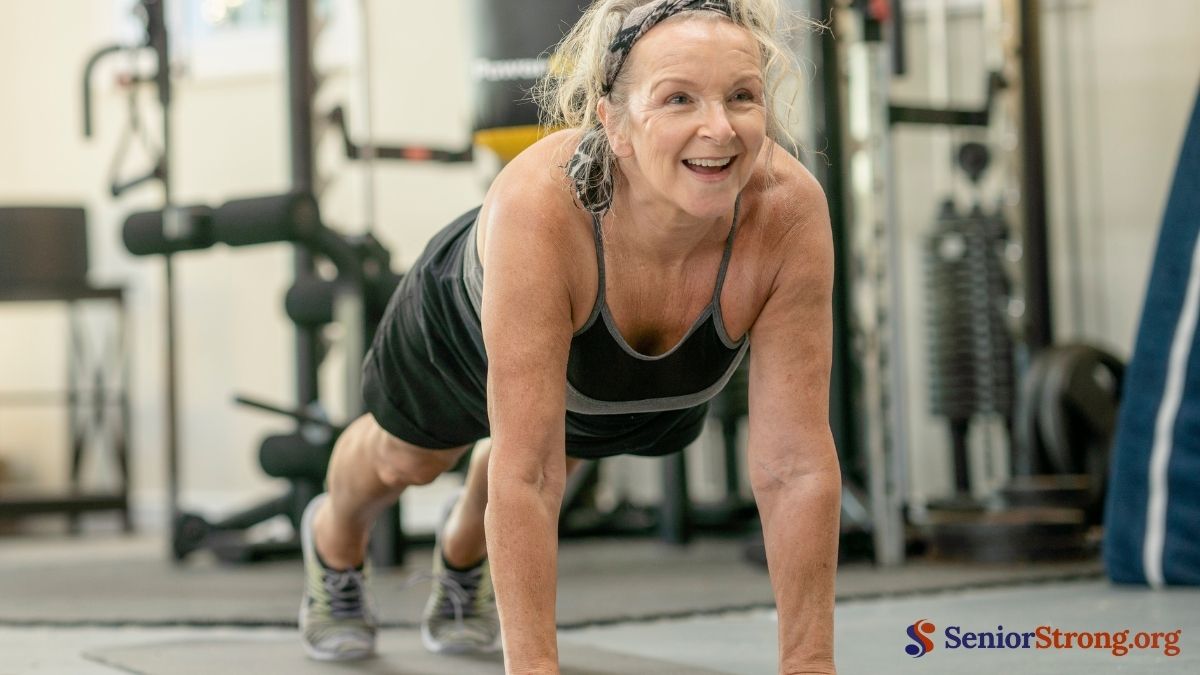
As we reach our 70s, staying active becomes more essential than ever. How often should we aim to work out each week? Balancing cardiovascular, strength, flexibility, and balance exercises is key. But what's the right mix, and how do we tailor it to our individual needs? Let's explore how to create a sustainable routine that keeps us healthy and agile in our golden years.
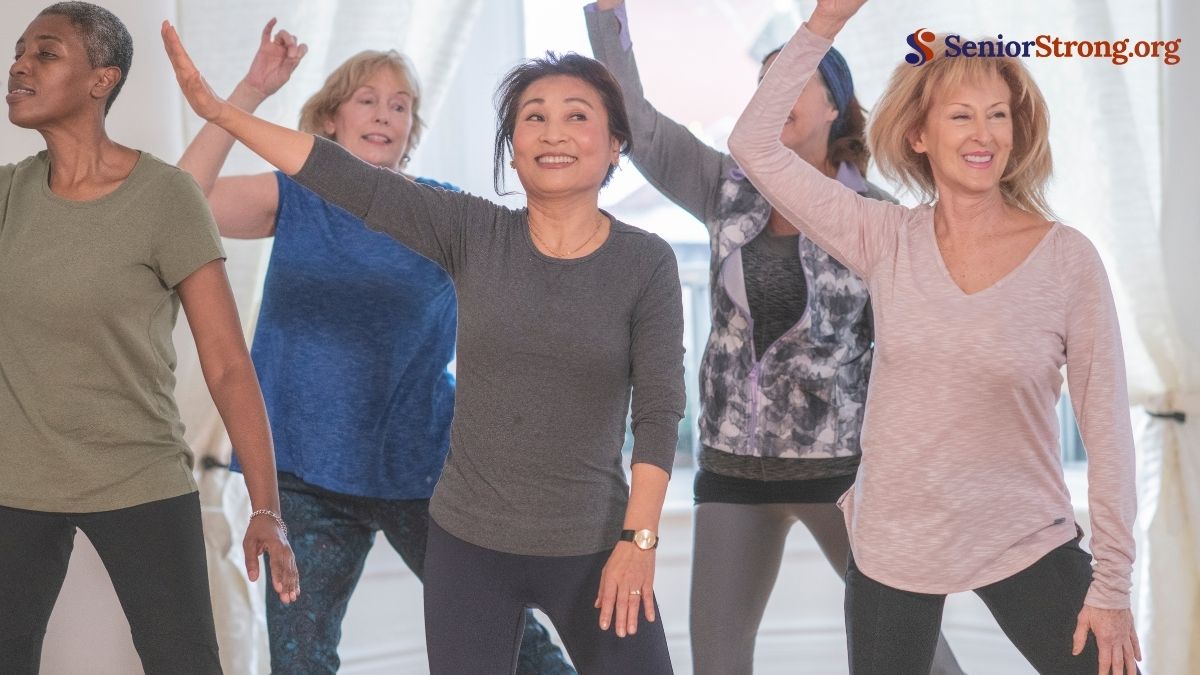
As we step into our 70s, staying active becomes more than just a lifestyle choice—it's crucial for maintaining our health and well-being. Regular exercise helps us preserve muscle mass, improve balance, and reduce the risk of chronic diseases.
It also enhances our mood and mental sharpness, keeping us engaged and independent.
Let's remember that exercise isn't just about lifting weights or running marathons. We can choose activities that we enjoy, like walking, swimming, or even gardeningThe practice of growing and cultivating plants as part of horticulture therapy, which can provide ph....
These activities not only keep our bodies fit but also bring joy and a sense of accomplishment. By staying active, we invest in our future, ensuring we maintain our strength and vigor.
Together, let's embrace the habit of regular exercise for a healthier, more fulfilling life.
Before we decide how often to work out, let's take a moment to assess our current fitness level.
We should evaluate our physical capabilities, identify any health conditions, and consider our past exercise experience.
Understanding our physical capabilities is key to creating a workout plan that fits our individual needs, especially as we age.
It’s important we take a moment to honestly assess what our bodies can do. Let’s start by considering our daily activities. How easily do we move around the house or climb stairs? Are there any tasks that leave us out of breath or feeling strained?
Next, let's think about our flexibility and strength. Can we bend down to tie our shoes or lift light objects without discomfort?
This self-evaluation helps us identify areas where we might need improvement. It’s not about pushing ourselves too hard but rather understanding our baseline. By knowing where we stand, we can make informed decisions about our fitness journey.
When we're evaluating our current fitness level, it’s crucial to identify any health conditions that might affect our workout routine. Conditions like arthritisAn inflammation of the joints that causes pain and stiffness and is more common in older adults., heart diseaseA broad term for a range of diseases affecting the heart and blood vessels, often related to atheros..., or diabetesA chronic condition that affects the way the body processes blood sugar (glucose), requiring ongoing... can influence how and how often we should exercise.
Understanding these issues helps us tailor a program that fits our needs and keeps us safe.
Let's consult with our healthcare provider before starting or modifying a routine. They can offer guidance based on our medical history and suggest any necessary precautions.
We should also listen to our bodies; if something doesn't feel right, it’s okay to adapt our activities.
Having considered potential health conditions, we now focus on evaluating our exercise experience to determine an appropriate workout plan.
Let's start by reflecting on our current activity levels. Are we engaging in any regular exercise, or have we been mostly sedentary? Understanding our baseline helps us tailor a program that suits our needs and abilities.
Next, consider past experiences with exercise. Have we enjoyed any particular activities, or have we faced challenges? This insight can guide us in choosing exercises we might stick with.
Let’s also assess our comfort with intensity and duration. Can we sustain moderate activity, or do we need to start with something gentler?
Before diving into a new workout routine, it's vital for us to consult with healthcare professionals, especially at 70 when our bodies might've different needs. They possess the expertise to assess our overall health and identify any conditions that could affect our exercise plans.
By discussing our medical history, current medications, and any recent changes in our health, we can guarantee that we're starting safely and effectively.
Our healthcare providers can also recommend specific exercises tailored to our unique requirements. They’ll advise on how frequently we should exercise and at what intensity, making sure we maximize benefits while minimizing risks.
Let's remember, staying active is essential, but doing it safely is key. Together, we can create a balanced approach that supports our health goals.
As we explore the best types of exercises for a 70-year-old, it’s important to focus on a balanced routine that includes aerobic, strength, flexibility, and balance exercises.
Aerobic activities, such as walking or swimming, help improve heart health and stamina. Strength exercises using light weights or resistance bands maintain muscle mass and support joint health.
Flexibility exercises, like yoga or gentle stretching, enhance range of motion and prevent stiffness. Balance exercises, such as tai chiA form of exercise that emphasizes slow, controlled movements and is often used for stress reduction... or simple one-legged stands, reduce the risk of falls by improving stability.
By incorporating these elements, we create a thorough fitness plan that supports overall health and functionality.
Let's make sure our routines are enjoyable and tailored to our personal needs, promoting lifelong wellness.
When it comes to cardio workouts for those of us in our 70s, striking the right balance in frequency is key.
Engaging in cardio exercises like brisk walking or cycling about three to five times a week can considerably boost heart health, enhance lung capacity, and improve overall endurance.
For ideal cardio frequency, aiming for at least three to five sessions per week can be beneficial for a 70-year-old looking to maintain or improve cardiovascular health.
It's understood that it might sound like a lot, but it doesn’t have to be intense or lengthy. Activities like brisk walking, cycling, or swimming can fit into our routine without overwhelming us. The key is consistency rather than intensity.
Let’s focus on what feels manageable and sustainable. We should listen to our bodies and adjust the duration and intensity as needed.
Shorter, more frequent sessions might be more effective than pushing ourselves too hard. It’s important to find a balance that keeps us motivated and energized.
Let's remember: it’s about maintaining an active and enjoyable lifestyle.
Engaging in regular cardio workouts offers a range of benefits that go beyond just improving our heart health. When we incorporate activities like walking, cycling, or swimming into our routine, we're not just strengthening our cardiovascular system; we're also boosting our mood and energy levels.
These exercises help maintain a healthy weight, reduce the risk of chronic diseases, and improve our sleep quality.
For us in our 70s, cardio is essential in maintaining mobility and balance, which reduces the risk of falls. It also stimulates brain function, potentially enhancing memory and cognitive abilities.
Strength training plays an essential role in building and maintaining muscle as we age, and it’s especially important for those of us around 70 years old.
As we get older, our muscle mass naturally decreases, but we can counteract this by incorporating strength exercises into our routine. Let’s focus on using light weights, resistance bands, or even body weight to make certain we’re working all major muscle groups.
Consistency is key, so aim for two to three sessions a week. By doing so, we’ll improve our muscle strength, enhance mobility, and support our overall health.
It’s vital to start slowly and listen to our bodies, making adjustments as needed. Consulting with a fitness professional can provide guidance and guarantee we’re using proper form.
While strengthening our muscles is important, we shouldn't overlook the significance of flexibility and balance exercises. These activities help maintain our range of motion and prevent falls, a common concern as we age.
By incorporating stretching and balance workouts, like yoga or tai chi, into our routine, we improve our overall mobility and stability.
We should aim to include flexibility and balance exercises at least two to three times a week. Simple activities, such as standing on one leg or gentle stretching, can make a big difference.
As we practice these exercises, we enhance our coordination and reduce the risk of injury. Let’s remember, consistency is key, and by balancing our workouts, we foster a healthier and more active lifestyle.
As we age and embrace our fitness journey, it's vital to pay attention to our bodies and recognize the limits they set. Our bodies communicate through signals like fatigue, soreness, or shortness of breath. Ignoring these can lead to overexertion, increasing the risk of injury.
We should aim for a balance between challenging ourselves and respecting what our bodies can handle.
Let's remember that rest and recovery are just as important as the workout itself. If we feel persistent pain or exhaustion, it's time to listen and adjust our routine.
HydrationThe process of causing something to absorb water. In seniors, maintaining hydration is critical for ... and proper nutrition also support our body's capacity to exercise. By tuning into our bodies, we protect our health and continue to enjoy the benefits of staying active.
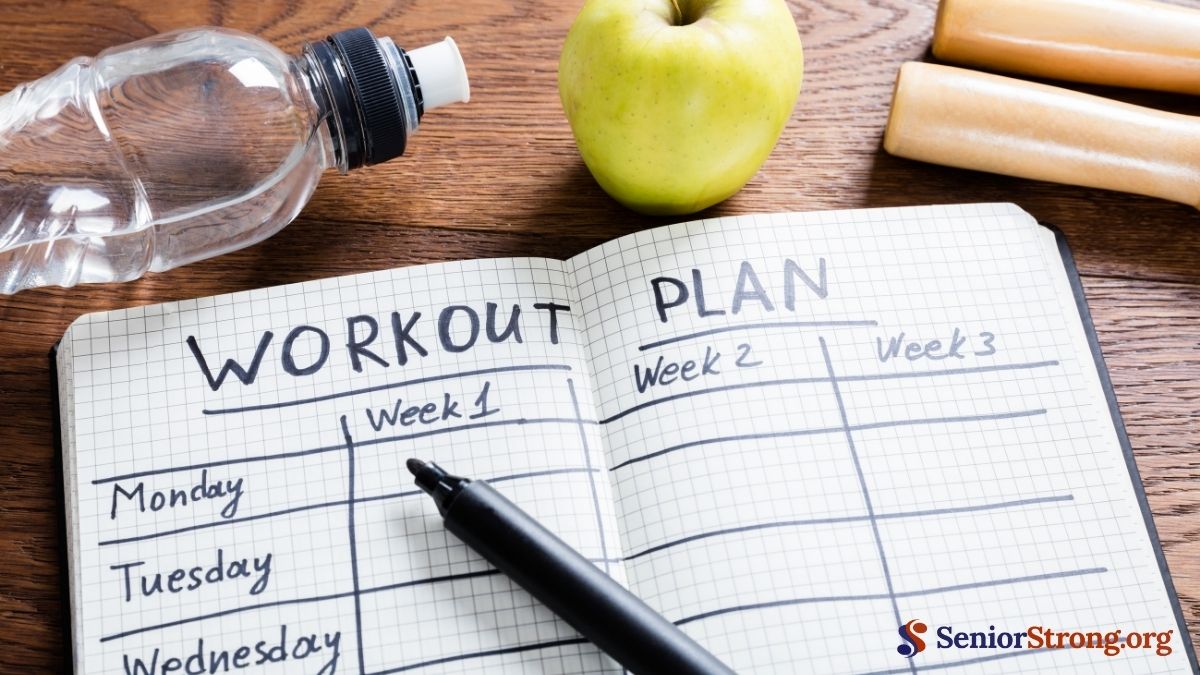
Crafting a weekly workout plan tailored to our individual needs can greatly enhance our overall well-being.
Let’s start by considering our current fitness level and any health conditions we might have. Consulting with a healthcare provider can help us determine safe exercises. We should aim for a balance of cardio, strength training, flexibility, and balance exercises throughout the week.
For instance, we might choose to walk briskly for 30 minutes on most days to boost heart health. On other days, we could incorporate light weightlifting or resistance band exercises to maintain muscle strength.
Yoga or stretching exercises can improve flexibility and prevent injuries. Remember, it's important to listen to our bodies and adjust the plan as needed to guarantee it’s sustainable and enjoyable.
In our 70s, staying active is essential for our overall well-being. By incorporating a balanced mix of cardio, strength, flexibility, and balance exercises, we can enhance our health and reduce the risk of falls. Let's make it a goal to work out three to five times a week, always listening to our bodies and adjusting as needed. With consistency and care, we'll enjoy the benefits of a sustainable fitness routine that supports our lifestyle and health.