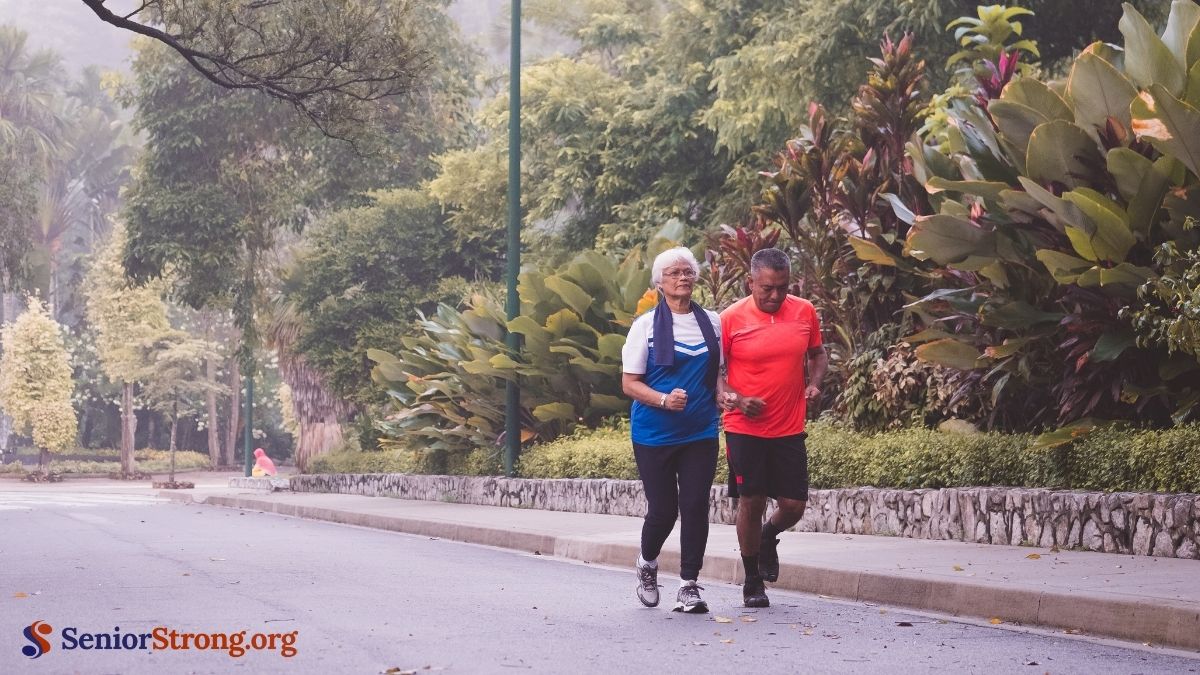
As we age, maintaining an active lifestyle becomes essential for our overall well-being. We might wonder what exercises are best suited for seniors to incorporate into their daily routine. From gentle stretching to enhance flexibility to low-impact aerobics for heart health, there are many activities to contemplate. Let's explore how these exercises can help us stay strong, balanced, and mentally sharp as we embrace this stage of life.
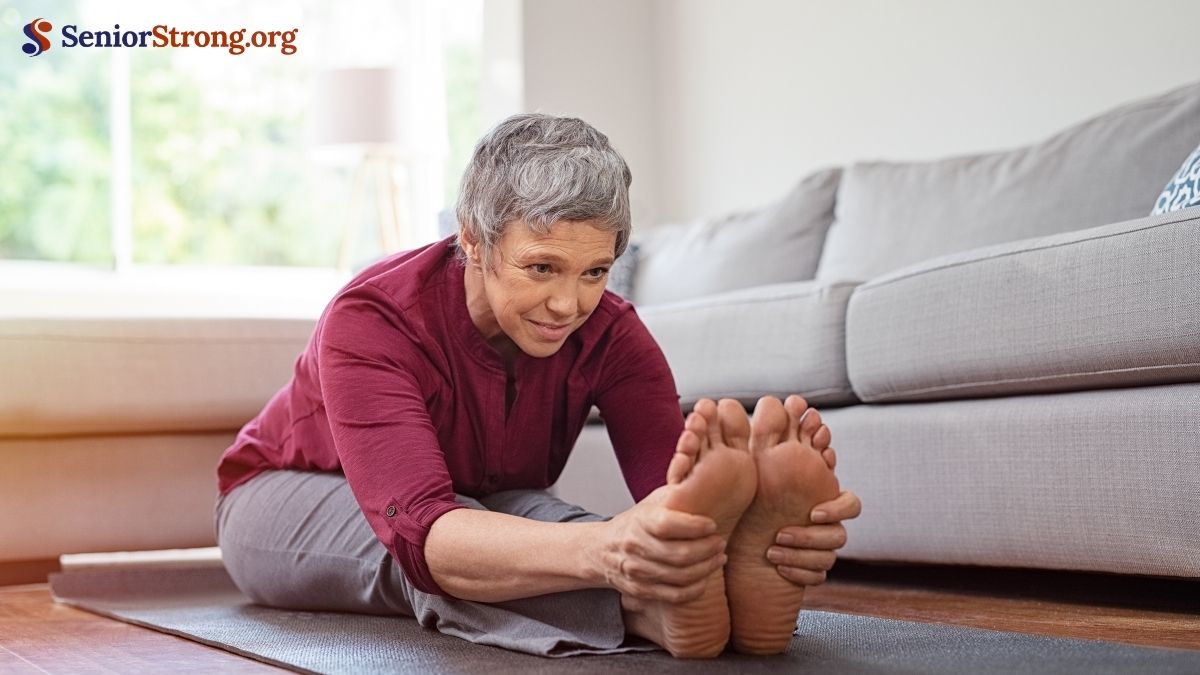
As we age, maintaining flexibility becomes increasingly important, and one of the most effective ways to do this is through gentle stretching. Stretching helps improve our range of motion, reduces stiffness, and can prevent injuries.
We should focus on exercises that target major muscle groups, like our shoulders, back, hips, and legs. Simple stretches, like reaching overhead or bending forward slowly, can make a big difference.
Consistency is key, so let's aim to incorporate stretching into our daily routine. We don't need to push ourselves too hard; gentle and controlled movements are sufficient.
Let's explore low-impact aerobic activities that are perfect for keeping our hearts healthy and supporting our joints.
Walking is a simple yet effective way to boost cardiovascular health, while cycling offers joint-friendly exercise for those of us seeking a gentler approach.
Together, these activities can enhance our fitness without straining our bodies.
When we think about improving heart health, walking emerges as a simple yet effective low-impact aerobic activity. As we age, maintaining a healthy heart becomes essential, and walking offers a manageable way to keep active. It doesn’t require special equipment, and we can enjoy it almost anywhere.
By walking regularly, we boost our cardiovascular system, strengthen our heart muscles, and enhance circulation.
Let’s aim for a brisk pace to increase our heart rate, but even a leisurely stroll offers benefits. We can start with short walks and gradually increase our duration and intensity.
Walking also allows us to stay social; inviting a friend makes it both enjoyable and motivating.
While walking offers a fantastic way to keep our hearts healthy, cycling provides another excellent option for those looking to protect their joints while staying active. Unlike high-impact exercises, cycling is gentle on our knees and hips, making it ideal for seniors.
By using a stationary bike or cycling outdoors, we can enjoy a low-impact aerobic workout that boosts cardiovascular health without straining our joints.
Cycling strengthens our leg muscles, enhances balance, and improves coordination, contributing to overall mobility. It also allows us to regulate intensity, which means we can tailor the workout to suit our comfort and fitness levels.
Let’s not forget the mental benefits, too—cycling can elevate mood and reduce stress. By incorporating regular cycling into our routine, we’ll support both joint health and well-being.
Let's focus on balance exercises that can strengthen our stability and confidence in daily activities.
We'll explore simple balance drills that don't require much space or equipment, making them perfect for at-home practice.
Achieving stability through balance exercises is crucial for seniors working to maintain their independence and prevent falls.
Let’s explore simple balance drills we can incorporate daily. A great starting point is the single-leg stand. We stand on one foot, hold for 10 seconds, then switch to the other foot. Doing this near a wall or chair offers added safety if needed.
Another beneficial drill is the heel-to-toe walk. We walk in a straight line, placing the heel of one foot directly in front of the toes of the other. This helps improve our balance and coordination.
Finally, the sit-to-stand exercise from a chair strengthens our legs, enhancing stability. Consistent practice guarantees we maintain balance, reducing the risk of falling.
Let's make these drills part of our routine!
When it comes to enhancing our balance and stability, incorporating equipment into our routine can make a significant difference.
Let’s explore some tools that can aid us in this journey:
Using these tools can make our workouts more effective and enjoyable, helping us maintain our balance as we age.
Incorporating balance-enhancing equipment into our routine sets the stage for a daily practice that builds stability.
Let’s explore simple exercises to boost our balance. Start by standing on one foot for 10-15 seconds, switching sides. It’s a straightforward move that strengthens our core and ankle muscles.
We can also try heel-to-toe walking. Place one heel directly in front of the toes on the opposite foot, walking in a straight line. This exercise mimics tightrope walking and challenges our stability further.
Using a chair for support, we can perform side leg raises. Lift one leg to the side, hold for a moment, and lower it.
These exercises, done consistently, enhance our balance and help prevent falls, making everyday activities safer and more enjoyable.
Even though aging might slow us down, incorporating strength training with resistance bands is an excellent way to maintain muscle mass and enhance flexibility.
These bands are versatile, affordable, and easy to store, making them perfect for daily use. They help us strengthen different muscle groups without putting too much strain on our joints.
Here’s how we can get started:
Although maintaining good posture becomes more challenging as we age, focusing on core exercises is essential for support and stability. Our core muscles, including the abdominals, obliques, and lower back, play a vital role in keeping us upright and balanced.
By engaging in daily core exercises, we can improve our posture and reduce the risk of falls.
Let's prioritize simple yet effective exercises like seated marches, which involve lifting our knees while seated to engage the core gently. Another great option is the seated torso twist, where we rotate our upper body side to side, enhancing flexibility and strength.
Incorporating these exercises into our routine can make a significant difference. Let’s commit to strengthening our core for better posture and overall support.
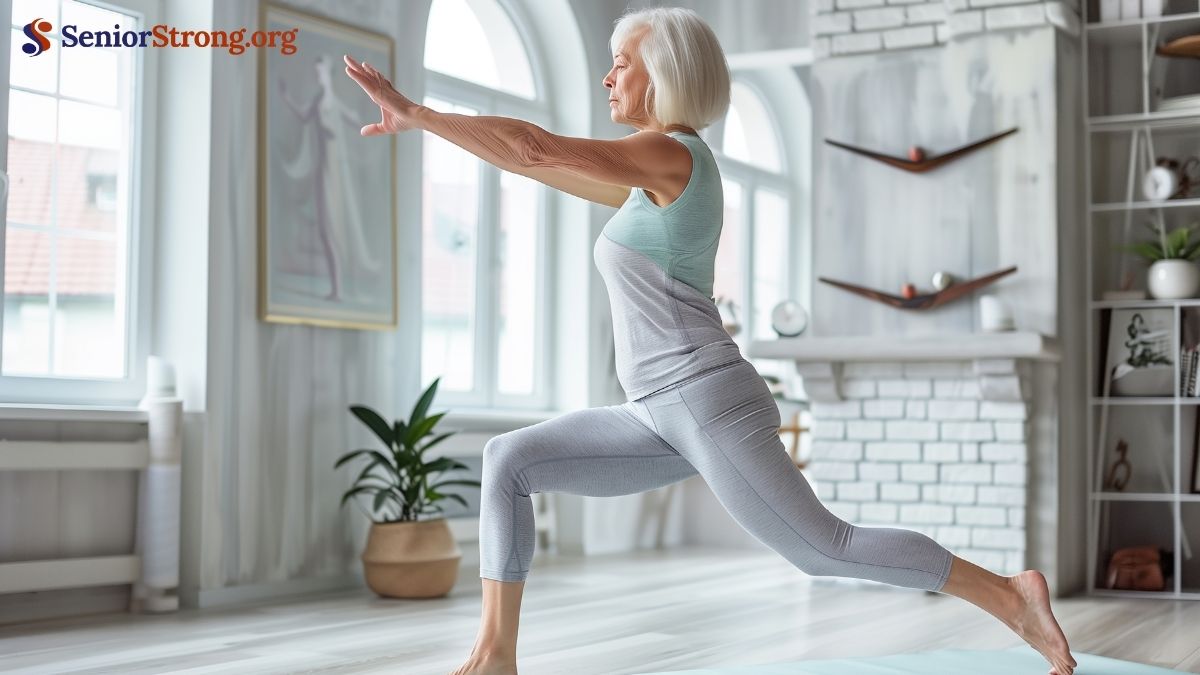
While maintaining physical health, we shouldn’t overlook the benefits of mindful movement practices. These exercises support mental well-being, enhance our physical health, and can easily be incorporated into our daily routine.
By focusing on the connection between mind and body, we can improve balance and flexibility and reduce stress.
Let's consider these four mindful movement practices that we can do every day:
Incorporating a balanced exercise routine into our daily lives is crucial for maintaining overall health and vigor as we age. By engaging in gentle stretching, low-impact aerobic activities, and balance exercises, we can improve flexibility, cardiovascular health, and stability. Strength training with resistance bands and core exercises willA legal document that states how a person's property should be managed and distributed after death. help us maintain muscle mass and support posture. Let’s also embrace mindful movement practices like Tai Chi or yoga to enhance our mental well-being. Together, we’ll enjoy a healthier, more active lifestyle.