
Let's face it, breakfast is the most important meal of the day, especially for seniors. But what should we focus on to guarantee it's not just filling but also nourishing? Balancing protein, fiberA type of carbohydrate that the body can't digest. It helps regulate the body's use of sugars, helpi..., and healthy fats is key, with options like oatmeal, eggs, and avocado toast on the table. But how do we tailor these choices to support aging bodies while also considering convenience and dietary needs? Let's explore this further.
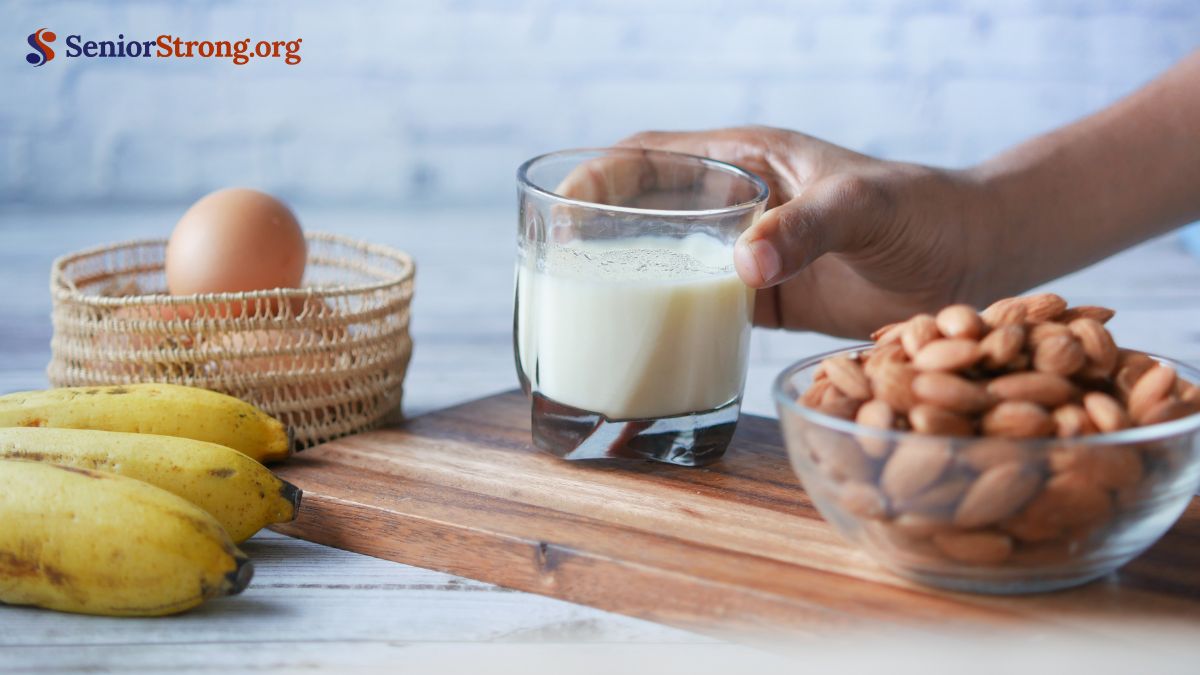
When we think about starting our day right, choosing a nutrient-rich breakfast is key, especially for seniors. It’s vital we focus on meals packed with vitamins, minerals, and proteins to maintain energy and support our overall health.
Picture a bowl of oatmeal topped with fresh berries and a sprinkle of nuts. It’s not just delicious but also offers antioxidantsSubstances that may protect your cells against free radicals, which may play a role in heart disease... and healthy fats.
Scrambled eggs with spinach provide a protein and iron boost, while a smoothie with yogurt, banana, and a handful of leafy greens offers a quick and easy option.
Let’s not forget whole-grain toast with avocado, supplying essential nutrients and healthy fats.
Let's talk about the role fiber plays in keeping our digestive systems running smoothly.
By boosting digestive regularity, fiber helps prevent constipation naturally and supports overall gut health.
Including fiber-rich foods in our breakfast isn't just beneficial; it's essential for maintaining a happy and healthy digestive system.
As we age, maintaining digestive health becomes increasingly essential, and a key factor in this is fiber intake. Fiber helps our bodies move food through the digestive system efficiently and supports regular bowel movements.
Incorporating fiber-rich foods into our breakfast can set the tone for the rest of the day. Whole grains, fruits, and vegetables are excellent sources to evaluate.
We should aim to include options like oatmeal topped with berries or whole-grain toast with avocado. These choices not only taste great but also provide the fiber our bodies need.
Even though constipation can be a common issue as we age, we don't have to rely solely on medication to find relief. A natural approach involves incorporating more fiber into our diet, which plays an essential role in maintaining digestive health.
Fiber adds bulk to our stool and helps it pass smoothly through the intestines, reducing the risk of constipation.
We can start our day with a fiber-rich breakfast, which is both simple and effective. Foods like whole grain cereals, oatmeal, and fresh fruits such as berries or apples with skin can provide us with the necessary fiber boost.
Let's also remember to drink plenty of water, as it works hand in hand with fiber to keep our digestive system moving efficiently.
While many of us focus on fiber to prevent constipation, it does much more for our digestive health.
Fiber acts as an essential fuel for the beneficial bacteria in our gut, promoting a balanced microbiome. This balance aids digestion and helps our bodies absorb nutrients more effectively.
As we age, maintaining a healthy gut becomes important, and fiber plays a pivotal role.
When we think about maintaining muscle mass as we age, protein becomes an essential part of our diet. It helps us stay strong, active, and independent. Including protein-rich foods in our breakfast can make a significant difference.
Let's explore some great sources:
As we age, keeping our minds sharp becomes a top priority. Including brain-boosting foods in our breakfast can help maintain cognitive function.
Blueberries are a great choice; they're rich in antioxidants that support brain health. Let's add a handful to our morning oatmeal or yogurt.
Nuts, especially walnuts, also provide essential omega-3 fatty acidsEssential fats the body can't make from scratch but must get from food. They have important benefits..., which are vital for our brain. A small serving in our cereal or smoothie can do wonders.
Whole grains like oats or whole-grain bread supply steady glucose, which our brain depends on for energy.
We'll also benefit from avocados, as they contain healthy fats that promote blood flow to the brain. Enjoying sliced avocado on toast creates a tasty, nutritious start to our day.
Maintaining a sharp mind is important, but it’s equally essential to care for our hearts. A heart-healthy breakfast can set the tone for our entire day.
Let’s explore some nutritious options that support cardiovascular health:
Incorporating these choices into our mornings can enhance heart health and contribute to a vibrant lifestyle.
Let's explore how we can make breakfast easier without sacrificing nutrition.
Quick cooking techniques and nutritious grab-and-go options can help us start our day right, even when we're short on time.
With a few simple methods and choices, we can enjoy delicious and convenient meals that fit seamlessly into our mornings.
When mornings are bustling and time is short, quick cooking techniques become essential for crafting easy-to-prepare meals that accommodate our busy lives.
As seniors, we need breakfast solutions that are nutritious yet simple to make. Let’s explore a few techniques that make breakfast preparation a breeze:
These techniques guarantee our mornings stay stress-free!
While mornings can be hectic, having nutritious grab-and-go options guarantees we start the day on the right foot.
Let’s consider easy-to-prepare meals that deliver both convenience and nutrition. Overnight oats are a fantastic choice. We can prepare them in advance, mixing oats with milk or yogurt, and adding fruit or nuts.
Another option is smoothie packs. By prepping fruits and greens in individual bags, we can simply blend them with a liquid of choice when ready.
Hard-boiled eggs also offer a protein boost and can be made ahead of time. For those who enjoy a savory bite, whole-grain wraps with hummus and veggies provide a satisfying meal.
Maneuvering dietary restrictions and allergies can be challenging, but it's crucial for safeguarding the health and well-being of seniors.
Let's explore how we can create breakfasts that accommodate these needs effectively. First, identify specific dietary restrictions, whether they involve gluten, dairy, or other allergens. Understanding these limitations helps us choose safe and suitable ingredients.
Second, consider alternative ingredients that provide the same nutritional benefits without causing issues. For example, swap regular milk with almond or oat milk, and use gluten-free grains like quinoa or millet.
Third, make certain that we're vigilant about cross-contamination. It’s important to prepare meals in a clean kitchen environment and use dedicated utensils for allergen-free foods.
Although often overlooked, staying hydrated is an essential part of a healthy breakfast routine for seniors. Our bodies need water to function properly, and as we age, our sense of thirst may decline, making it easy to forget.
Let’s aim to drink a glass of water first thing in the morning to kickstart our metabolism and aid digestion. If plain water doesn't appeal to us, herbal teas or a splash of lemon can add flavor and nutrients.
We should also remember that hydration can come from various sources. Foods like oatmeal absorb water, contributing to our daily intake.
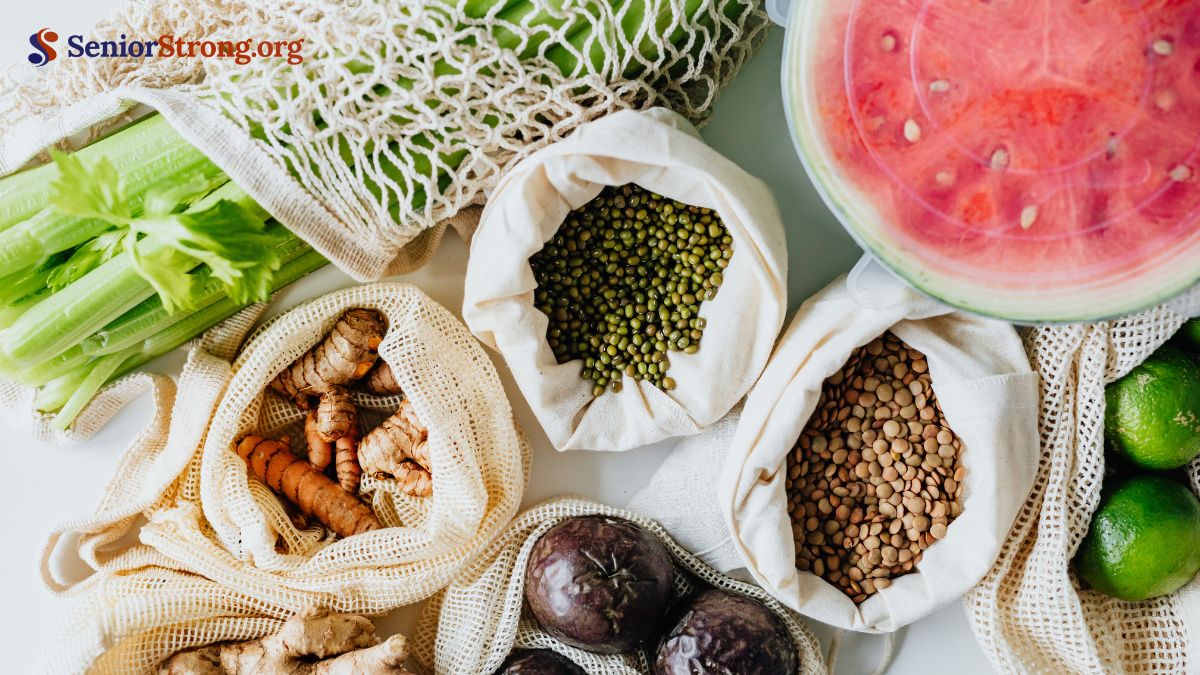
Staying hydrated sets the foundation for a healthy breakfast, and the addition of seasonal fruits and vegetables can elevate our morning routine.
These natural wonders not only boost flavor but also provide essential nutrients that support our overall well-being. By choosing what's in season, we guarantee freshness, affordability, and nutrition.
Let’s explore some ways to incorporate these vibrant options:
As we explore the best breakfast options for seniors, let's prioritize meals rich in nutrients that support overall health. We'll focus on fiber for better digestion, protein for maintaining muscle mass, and foods that boost brain function. Heart-healthy choices are essential, and preparing easy meals guarantees convenience. By considering dietary restrictions, staying hydrated, and incorporating seasonal fruits and vegetables, we can create vibrant, balanced breakfasts that start each day on the right note.