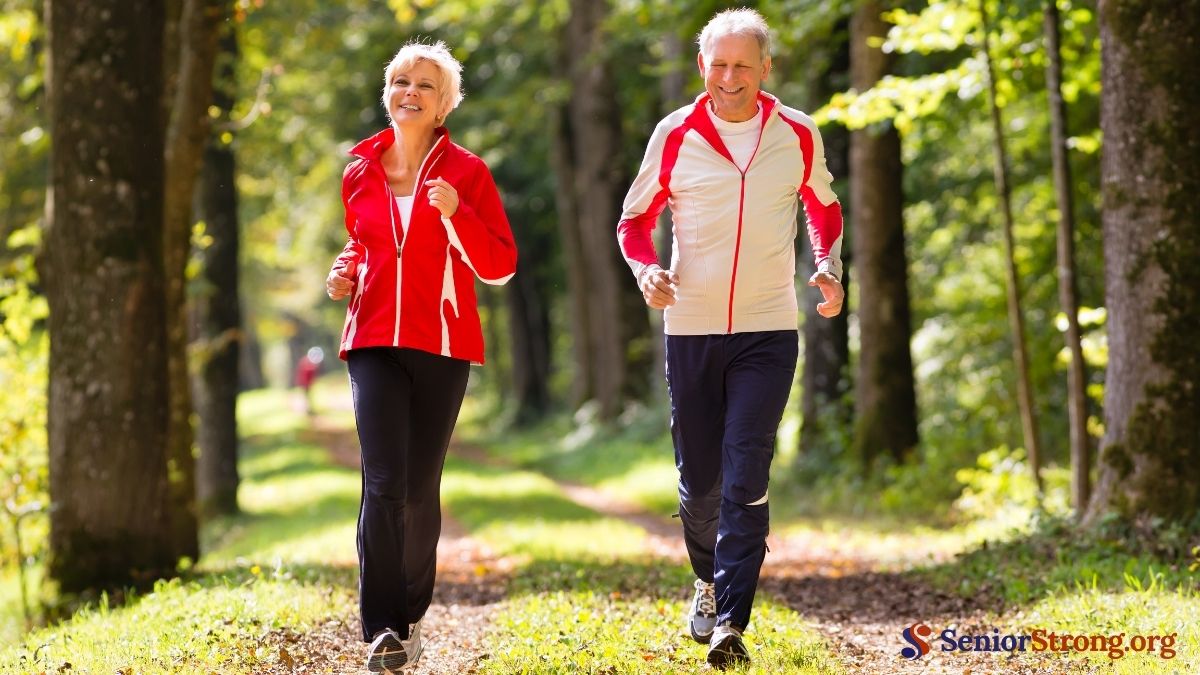
As we age, it’s essential to stay active, but finding the right exercise routine can be a challenge, especially for those of us in our 70s. An effective program should be well-rounded, focusing on heart health, muscle strength, flexibility, and balance. What types of activities should we include, and how often should we do them? Let’s explore how to tailor a routine that keeps us fit, healthy, and engaged.
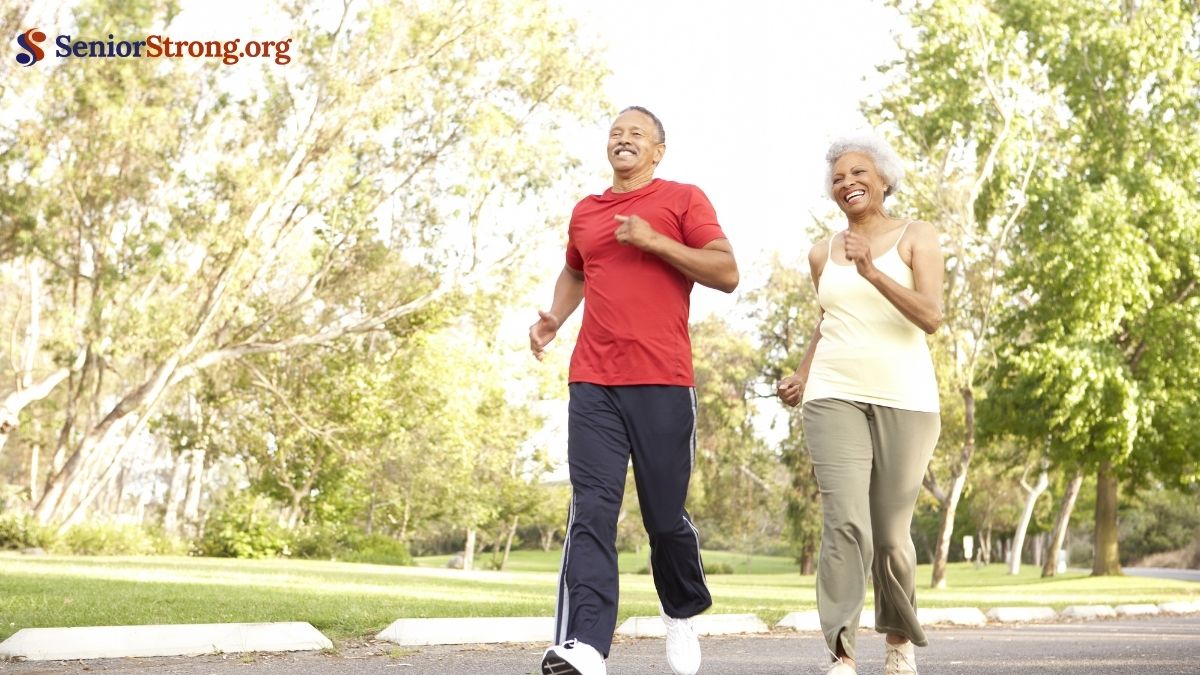
Exercise is essential for seniors because it helps maintain independence, mobility, and overall health. As we age, our bodies naturally become less agile, and maintaining an active lifestyle can counteract these changes.
By incorporating regular exercise, we can improve our strength, flexibility, and balance, which reduces the risk of falls and injuries. It’s not just about physical benefits; exercise boosts our mental well-being, too. We’ll find that regular activity can help alleviate symptoms of depressionA common and serious medical illness that negatively affects how one feels, the way one thinks, and ... and anxiety, giving us a more positive outlook on life.
Staying active also encourages social interaction, which is vital for our mental health. Whether we join a class or take a walk with friends, these activities foster community connections.
Let’s prioritize exercise to enhance our quality of lifeThe general well-being of individuals and societies, outlining negative and positive features of lif....
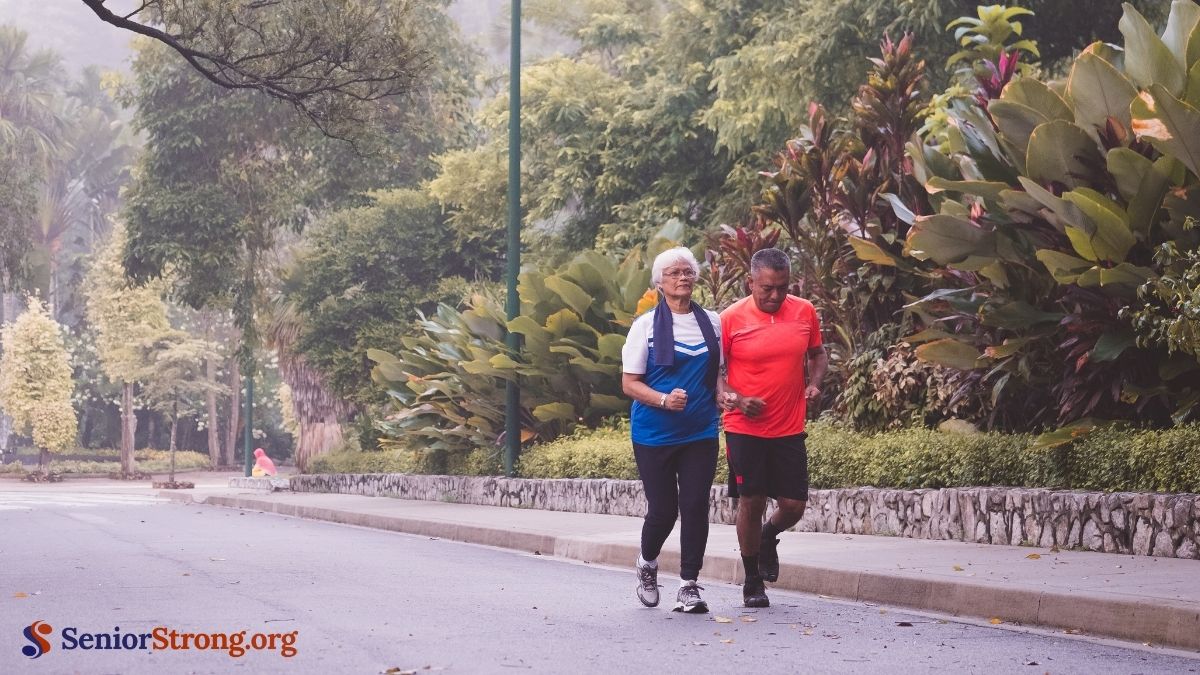
When it comes to boosting heart health, cardiovascular workouts are our best ally. They help us maintain a strong heart and improve our overall well-being.
As we age, it's essential to find the right activities that suit our comfort and capacity. Let’s explore a few options:
As we age, maintaining muscle mass becomes vital for overall health and mobility. We mightn't realize it, but gradual muscle loss can affect our strength and balance, making daily activities challenging. Incorporating strength training into our routine helps counteract this.
We should focus on exercises that target major muscle groups, such as squats, leg presses, and chest presses, to build and preserve muscle.
Let’s start with two sessions per week, using light weights or resistance bands. Aim for one to two sets of 10-15 repetitions. It’s important to maintain proper form while lifting to prevent injury.
Always listen to our bodies and rest as needed. By staying consistent, we can enhance our independence and enjoy a more active lifestyle.
While strengthening our muscles is key, enhancing flexibility can greatly boost our mobility and reduce the risk of injury. As we age, maintaining flexibility helps us stay active and independent.
Gentle stretching exercises are particularly beneficial. Let’s explore some effective flexibility exercises:
Incorporating these exercises into our routine can support a more mobile, injury-free lifestyle.
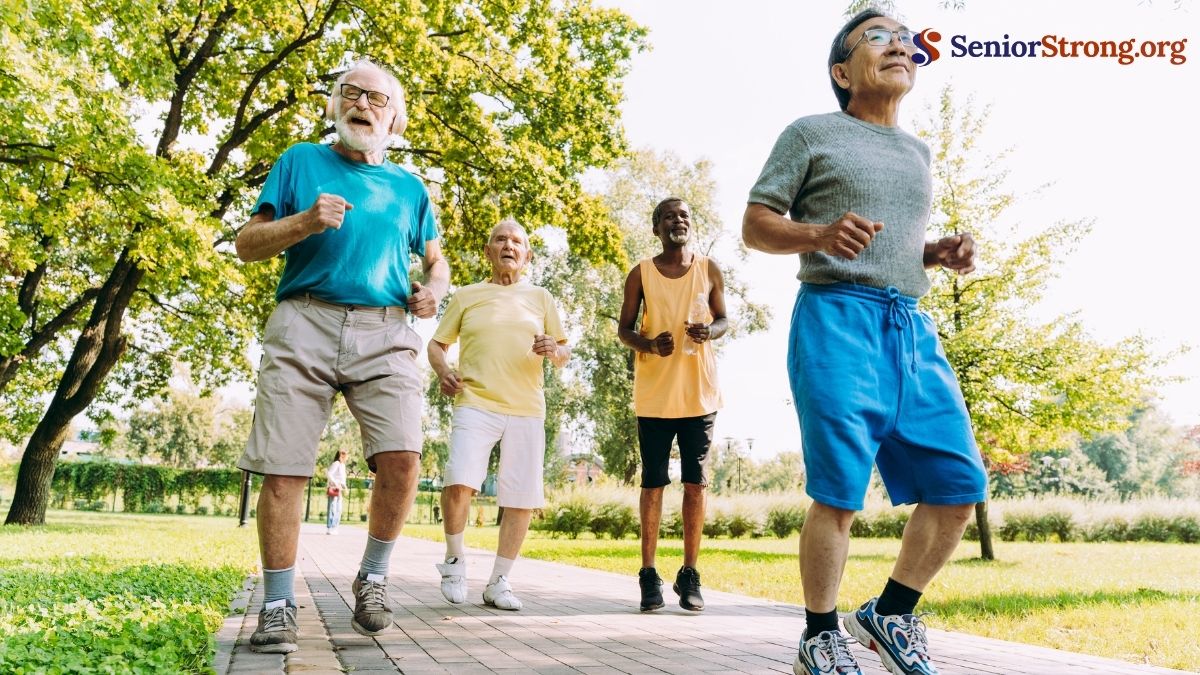
To maintain our independence and reduce the risk of falls, incorporating balance and coordination activities into our routine is essential. By doing so, we can enhance our stability and confidence.
We can start with simple exercises like standing on one foot for a few seconds, then gradually increasing the time as we improve. Incorporating tai chi or yoga can also greatly benefit our balance, offering gentle movements that enhance strength and focus.
Let’s not overlook activities like heel-to-toe walking. It improves our ability to maintain a steady gait. Keeping our surroundings safe by removing tripping hazards also supports our efforts.
Engaging in these exercises regularly helps us stay active and reduces the likelihood of falls, empowering us to enjoy life’s activities fully.
Incorporating a well-rounded exercise routine is essential for us as we age. Let’s prioritize cardiovascular workouts to keep our hearts healthy, engage in strength training to maintain muscle mass, and embrace flexibility exercises to enhance mobility. Don’t forget the importance of balance activities to prevent falls. By staying consistent and finding joy in our activities, we’ll boost our overall well-being and enjoy a more active and fulfilling lifestyle. Let’s commit to staying active together!