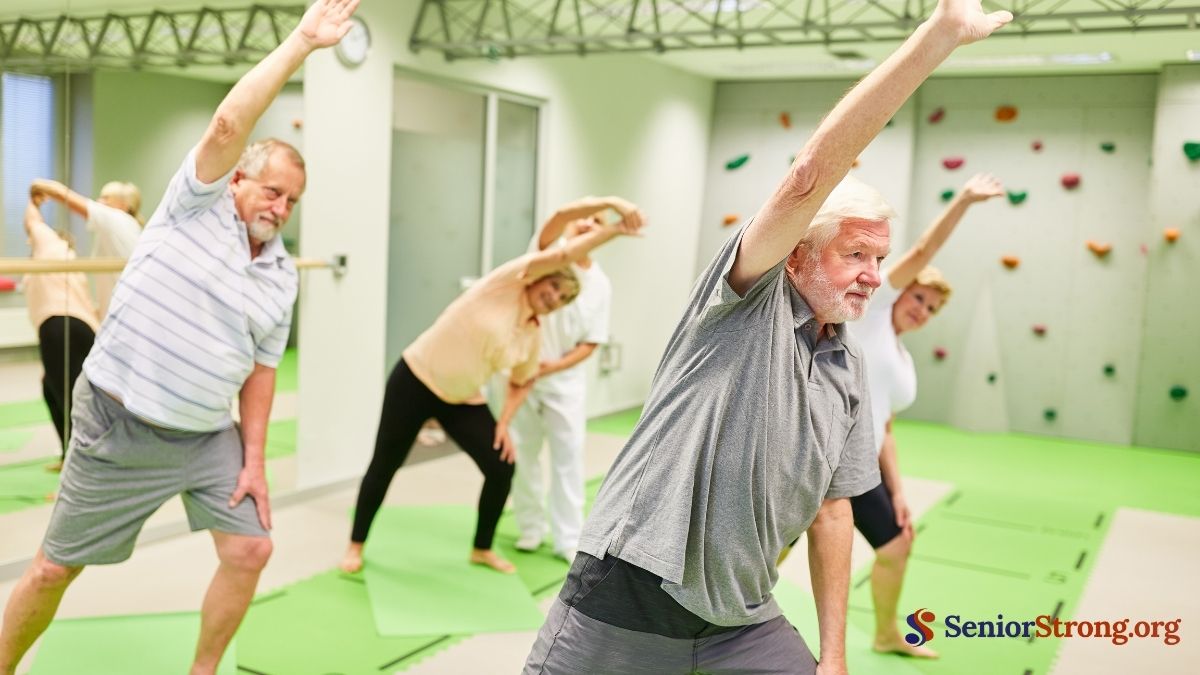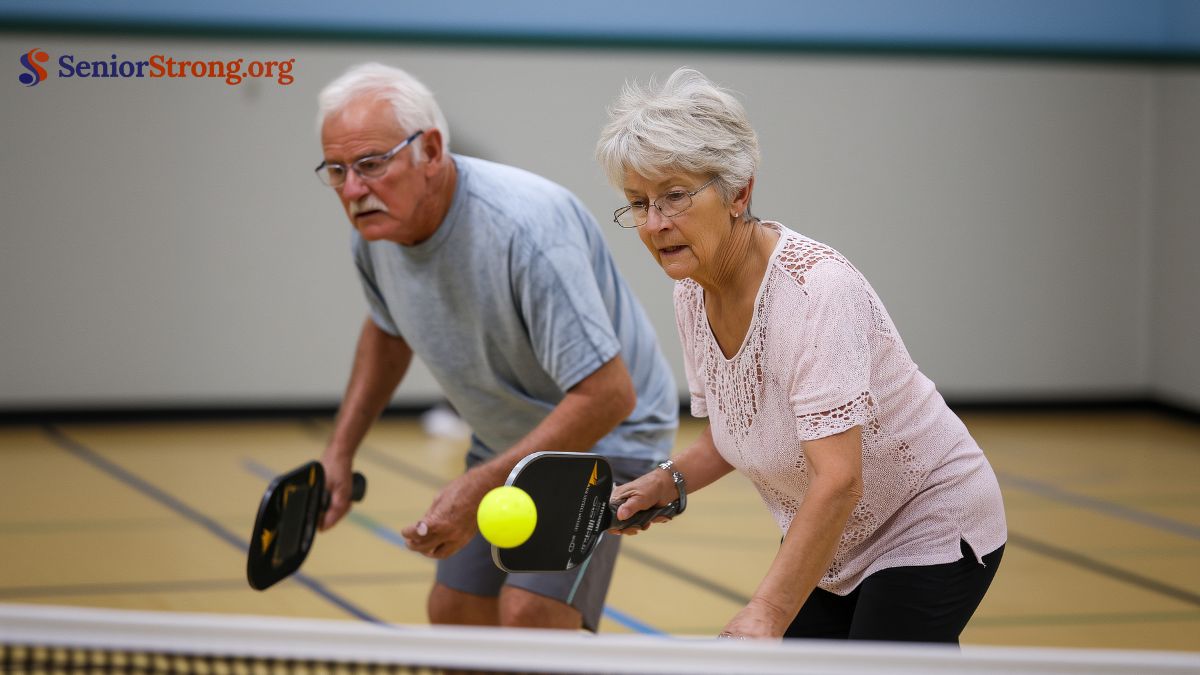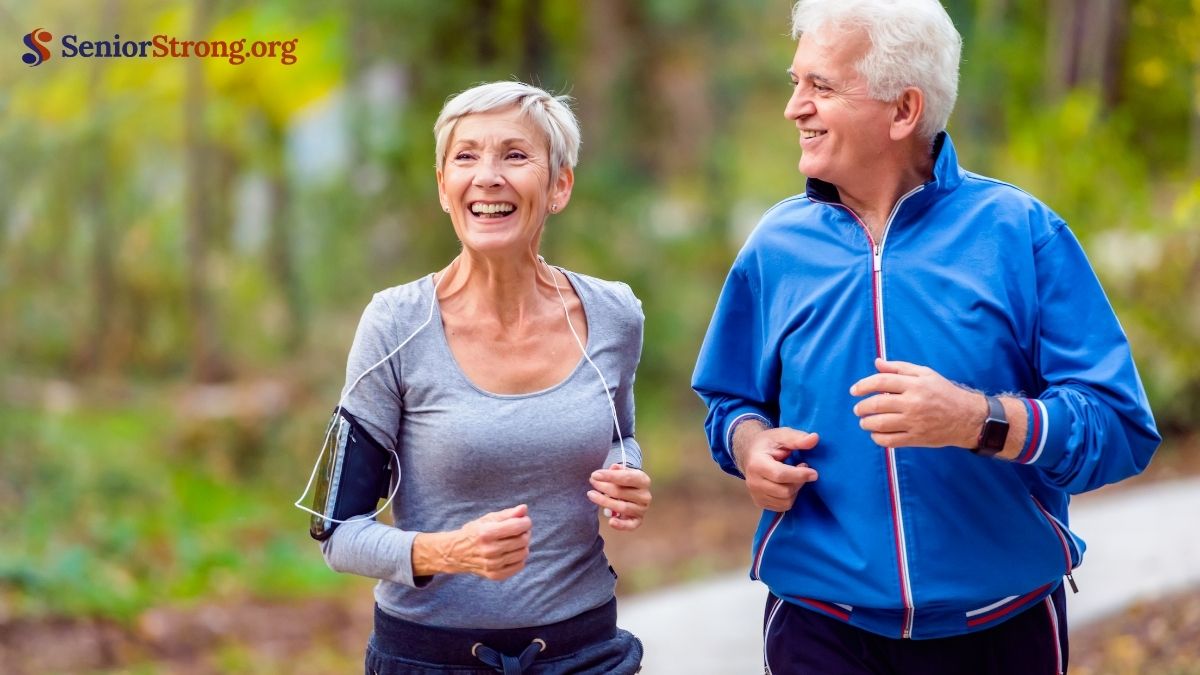
As we age, staying active becomes essential for our overall health and well-being. But what truly makes an exercise routine effective for seniors? Let's explore the best combination of activities that can help maintain our strength, flexibility, and balance. By focusing on low-impact aerobic exercises, strength training, and flexibility practices, we can enhance our quality of lifeThe general well-being of individuals and societies, outlining negative and positive features of lif... while reducing the risk of falls and injuries. Curious to know how to tailor these exercises to fit our needs?
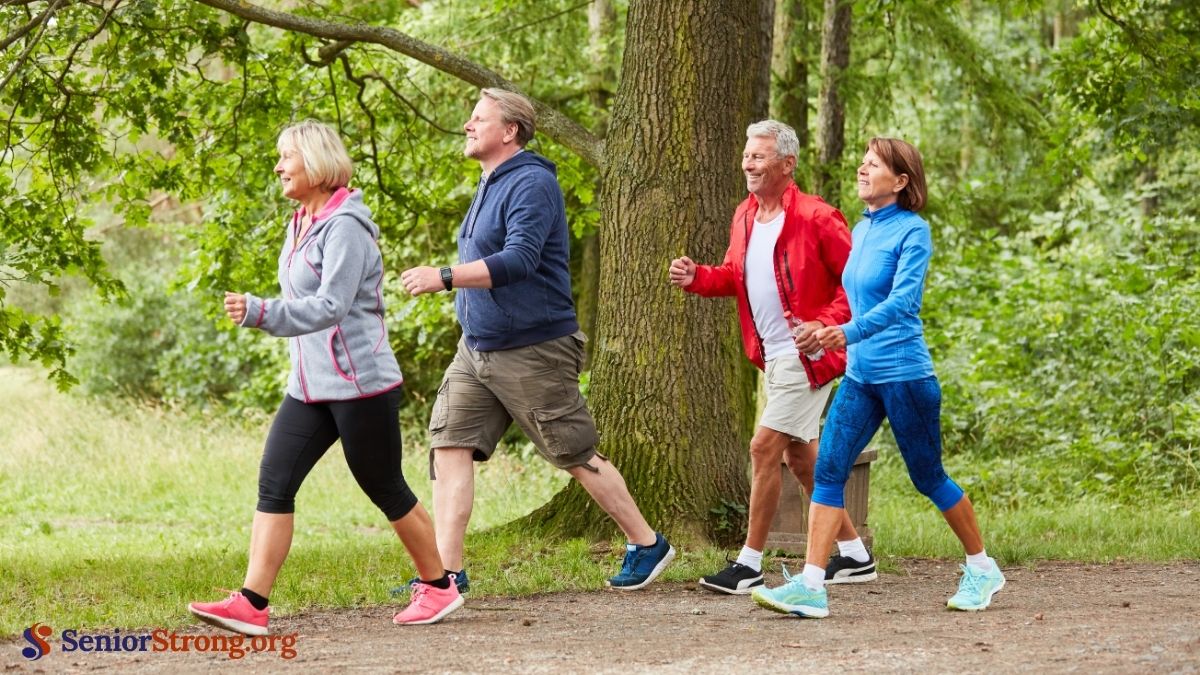
As we age, staying active becomes essential for maintaining our health and independence. We might wonder why exercise holds such significance for seniors. Regular physical activity helps us maintain our strength, flexibility, and balance, which are critical for preventing falls.
It also supports our mental well-being, reducing feelings of depressionA common and serious medical illness that negatively affects how one feels, the way one thinks, and ... and anxiety. Exercise boosts our immune systems, helping us fight off illnesses more effectively.
Let’s not forget the social benefits—engaging in group activities keeps us connected and motivated. We’re nurturing our bodies and minds, fostering a sense of community.
Let's explore how low-impact aerobic exercises can keep our hearts healthy without straining our bodies.
Walking is a simple yet effective way to boost heart health, while swimming offers a gentle full-body workout that's easy on our joints.
For those who enjoy a bit of a breeze, cycling provides a smooth ride that helps keep our joints feeling good.
While maintaining cardiovascular health is essential at any age, walking stands out as one of the best low-impact aerobic exercises for seniors.
It’s gentle on our joints and offers numerous benefits for our heart and overall well-being. By walking regularly, we can improve our circulation, lower blood pressure, and boost energy levels.
Plus, walking is incredibly accessible. We don’t need special equipment, just a comfortable pair of shoes and a safe path.
Whether it’s a stroll around the neighborhood or a brisk walk in the park, we can tailor the intensity to suit our fitness level.
Let’s aim for at least 150 minutes of walking each week, breaking it down into manageable sessions.
This consistency helps us maintain heart health and enjoy an active lifestyle.
Swimming is one of the most effective low-impact exercises for seniors looking to boost their cardiovascular health. When we plunge into the water, we're not just cooling off; we're engaging in a workout that supports our heart without putting undue stress on our joints.
Here's why swimming should be a part of our routine:
Let's grab our swimsuits and enjoy the pool!
Pedaling our way to better health, cycling is an excellent choice for seniors seeking a low-impact aerobic workout that benefits both our joints and cardiovascular system.
Unlike high-impact activities, cycling reduces stress on our knees and hips while still providing a great cardiovascular challenge. As we cycle, our heart rate increases, improving our heart health and endurance.
We can choose between stationary bikes indoors or venturing outside on a standard bicycle. Either option allows us to control the intensity and pace, making it easy to tailor the workout to our personal fitness level.
Plus, cycling can be a social activity, joining friends or groups for added motivation. Let’s embrace cycling as a fun and effective way to stay active and healthy.
As we age, incorporating strength training into our routine becomes essential for maintaining muscle mass and enhancing bone density. It helps us stay independent and reduces the risk of falls.
Let’s explore how we can integrate strength training effectively:
Let's explore how stretching exercises and yoga can boost our flexibility, which is essential for maintaining mobility as we age.
By incorporating regular stretching into our routine, we can improve our range of motion, reduce stiffness, and prevent injuries.
Yoga offers us a gentle yet effective way to enhance flexibility, balance, and overall well-being.
When we incorporate regular stretching exercises into our routine, we release a range of benefits that greatly enhance our flexibility and overall well-being.
Stretching keeps our muscles supple and joints healthy, which is essential as we age. Here are some key benefits we can expect:
Yoga offers a powerful way for us seniors to enhance flexibility and maintain energy. By incorporating gentle movements and stretches, yoga helps us combat stiffness and improve our range of motion. As we age, our bodies naturally become less flexible, but yoga can counteract this process. When we practice regularly, we notice increased mobility and a sense of liveliness.
Let's focus on poses like the Cat-Cow stretch or the seated forward bend. These poses promote spine flexibility and gently stretch muscles. Consistent practice can lead to better balance and posture, reducing the risk of falls.
We also benefit mentally, as yoga encourages mindfulness and relaxation. By embracing yoga, we not only enhance our physical health but also nurture our mental well-being.
As we age, maintaining balance becomes essential to reducing the risk of falls.
Let's explore some simple exercises that can help us enhance our stability. By incorporating these into our routine, we'll gain confidence and reduce the likelihood of accidents.
While staying active, we should focus on functional fitness to enhance our daily life.
Functional fitness exercises mimic everyday movements, helping us improve strength, balance, and flexibility. These exercises can make tasks like climbing stairs, carrying groceries, or standing from a seated position easier and safer for us.
To incorporate functional exercises, let's try activities like squats, which mimic sitting and standing movements. We can also practice reaching and stretching by placing items on high shelves or bending to pick things up.
Walking, a simple yet effective exercise, keeps our muscles engaged and improves cardiovascular health.
When managing chronic conditions, adapting our exercise routine is vital for maintaining health and mobility. We can modify exercises to accommodate our unique needs while still reaping the benefits. Here’s how we can adapt:
To stay motivated and consistent with our exercise routine, setting clear, attainable goals can make all the difference. Let’s aim for small, measurable milestones rather than overwhelming ourselves. Celebrating each achievement, no matter how minor, boosts our confidence and keeps us moving forward.
Finding a workout buddy can also enhance our commitment. Together, we can encourage each other and share in the joy of progress.
Variety is key in preventing boredom, so let’s mix up our activities – a little walking here, some gentle yoga there.
Creating a schedule helps anchor our routine in daily life. Consistent timing builds a habit, transforming exercise into a natural part of our week.
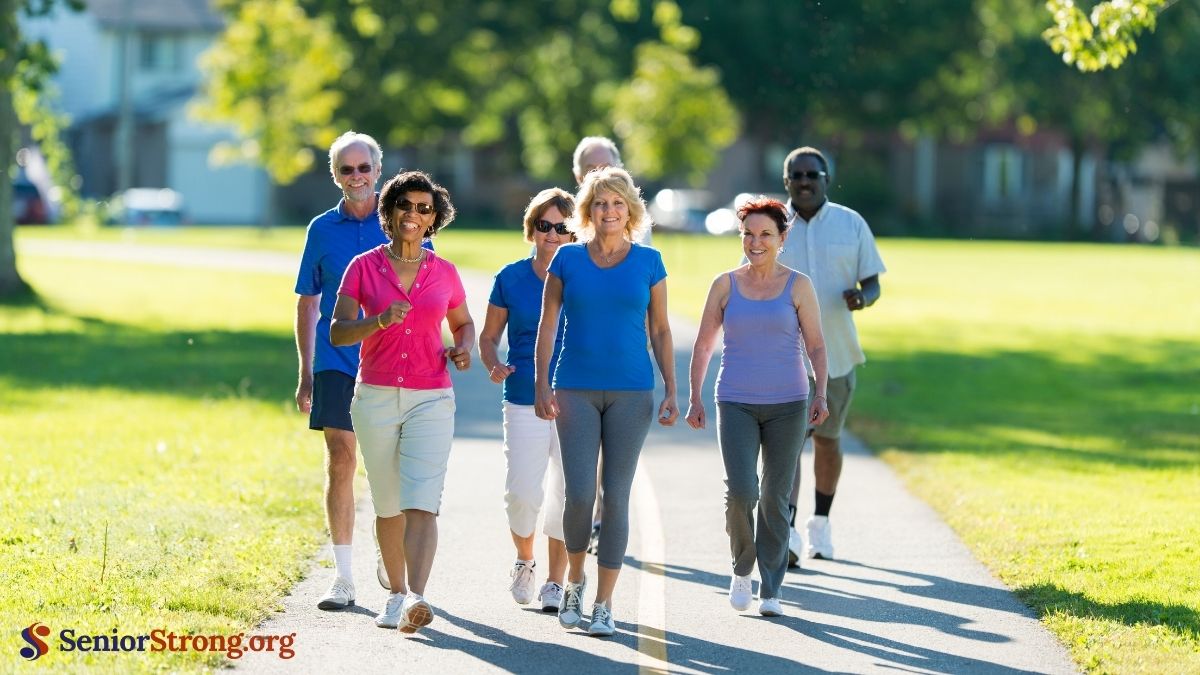
As we begin our fitness journey, ensuring our safety is essential to maintaining a healthy and effective exercise routine.
Let's focus on a few key considerations to keep us safe and confident:
Let's embrace the journey to better health together by incorporating a well-rounded exercise routine that suits our needs. We can boost our cardiovascular health with low-impact aerobics, build strength and bone density, and enhance flexibility through stretching and yoga. Let's not forget the importance of balance exercises to prevent falls. By adapting our routines for any chronic conditions and staying motivated, we can enjoy a healthier, more active lifestyle. Remember, safety first, and let's consult our healthcare professionals!