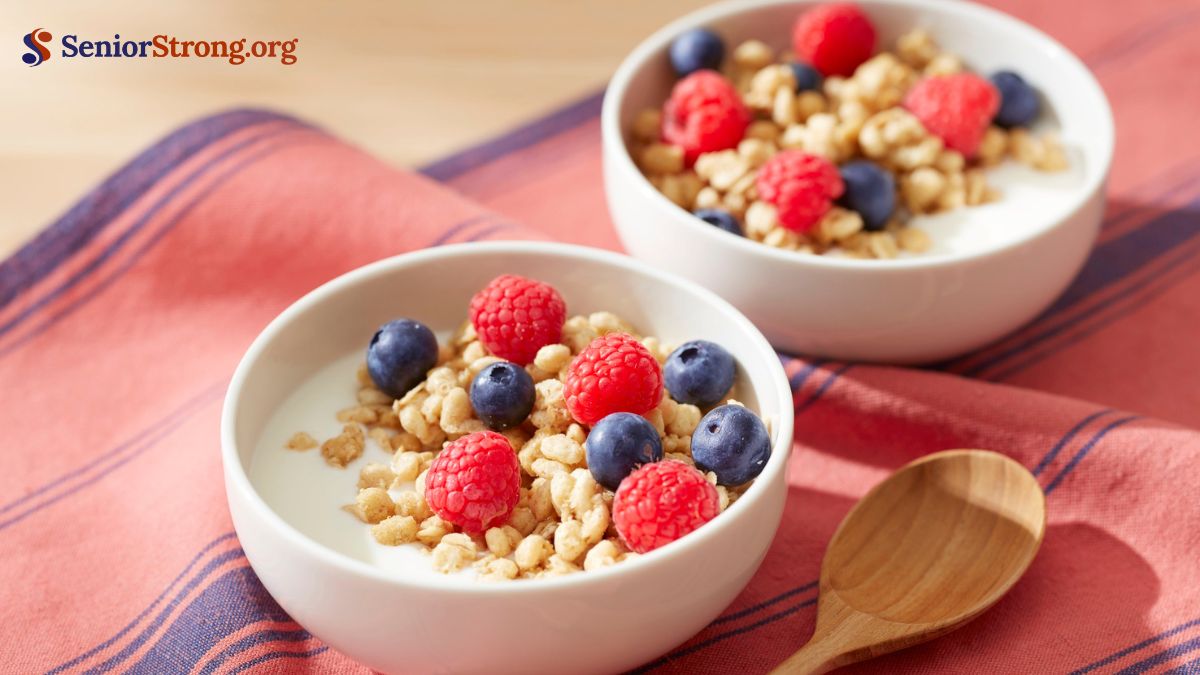
As we explore the healthiest cereal options for seniors, let's focus on key nutrients that support their unique dietary needs. We should prioritize whole grains, fiberA type of carbohydrate that the body can't digest. It helps regulate the body's use of sugars, helpi..., and essential vitamins. Fiber aids digestion, while vitamins like calciumA mineral essential for life. It is necessary for the proper development and maintenance of healthy ... and D maintain bone health. It's also vital to watch sugar intake. The right cereal can make a big difference in overall well-being, so let's dive deeper into what makes a cereal truly beneficial for seniors.
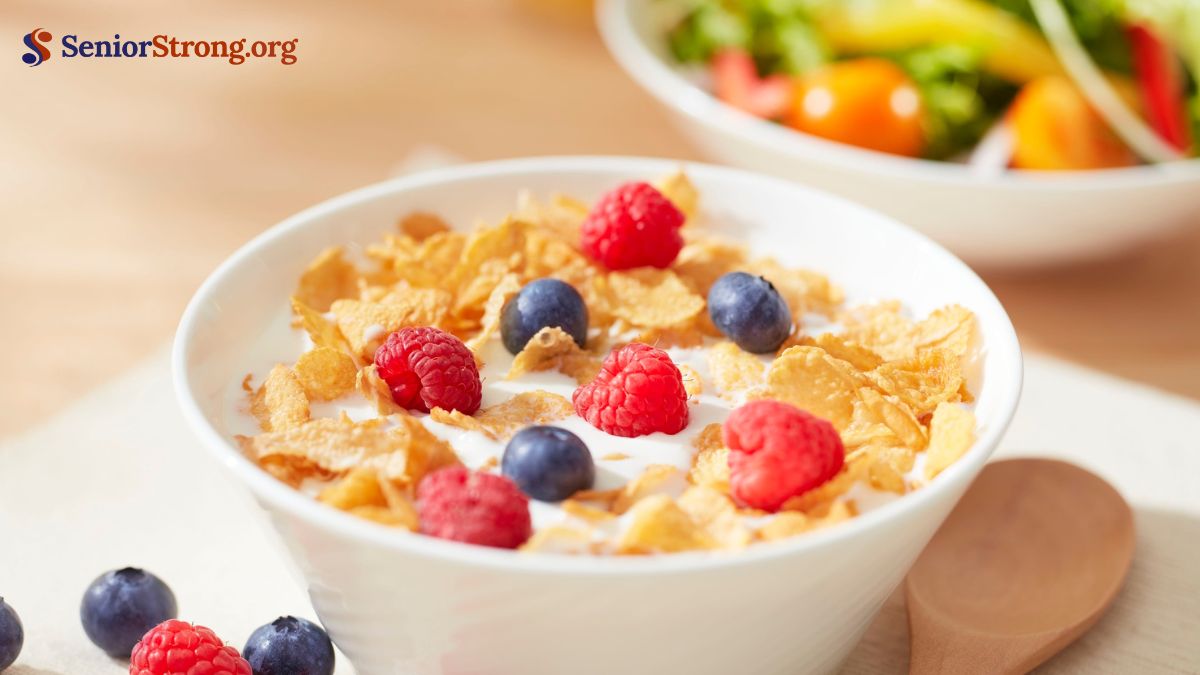
As we age, our nutritional needs change, requiring us to pay closer attention to our diet. Our bodies mightn't absorb nutrients as efficiently, so it's important to choose foods that are nutrient-dense.
Seniors often need more calcium and vitamin D to support bone health, as well as sufficient protein to maintain muscle mass. We should also watch our intake of sodium and saturated fats, which can affect heart health.
Choosing the right cereal can help us meet these needs. When selecting cereal, let's look for options fortified with essential vitamins and minerals.
It’s beneficial if the cereal contains added nutrients like calcium, vitamins B12 and D, and iron. By making informed choices, we can support our health and enjoy a nutritious start to our day.
When it comes to choosing the right cereal, fiber plays an essential role in maintaining our digestive health. As we age, our digestive system can slow down, making it vital to include fiber-rich foods in our diet.
Fiber not only helps regulate digestion but also supports heart health and can help keep cholesterol levels in check.
We should look for cereals with whole grains like oats, bran, or barley, as these are excellent sources of fiber. Aim for at least 5 grams of fiber per serving, which can promote regularity and prevent constipation.
Including an adequate amount of fiber in our breakfast can set a positive tone for our day, ensuring we feel fuller for longer and helping us maintain a balanced dietA diet that contains the proper proportions of carbohydrates, fats, proteins, vitamins, minerals, an....
Let's focus on lowering our sugar intake by choosing cereals with natural sweeteners and prioritizing low-sugar options.
We can look for cereals that use honey or fruit to add flavor without relying on refined sugars.
Many of us are looking for ways to reduce sugar in our diets, especially when it comes to breakfast cereals. One effective approach is to opt for natural sweeteners. Instead of refined sugars, we can enhance our cereals with options like honey, maple syrup, or agave.
These alternatives not only provide sweetness but also offer a more complex flavor profile. When we choose natural sweeteners, we're also likely to use less, since they tend to be sweeter than processed sugars. This allows us to enjoy our breakfast without the excessive sugar load.
Plus, some natural sweeteners come with added nutrients that refined sugars lack. By making this simple switch, we can enjoy tastier, healthier breakfasts that align better with our nutritional goals.
Although we all enjoy a bit of sweetness in our morning routine, cutting down on sugar in our cereals is essential for maintaining good health as we age. High sugar intake can lead to numerous health issues, including weight gain, diabetesA chronic condition that affects the way the body processes blood sugar (glucose), requiring ongoing..., and heart problems.
Consequently, we should focus on choosing cereals with little to no added sugars. Instead, let’s look for options with natural sweetness from fruits or whole grains.
When we read labels, aiming for products with less than 5 grams of sugar per serving is a smart choice. Remember, terms like "cane sugar" or "corn syrup" indicate added sugars.
Let's explore the essential vitamins and minerals that are vital for seniors to maintain their health.
We should focus on key nutrients like Vitamin D and calcium, which support bone health, as well as iron and B-vitamins for energy and red blood cell production.
As we age, maintaining a balanced intake of essential nutrients becomes increasingly important to support our overall health and well-being.
We need to focus on key vitamins and minerals that can help us stay vibrant and active.
Let's explore some nutrients that are significant for seniors:
In addition to Vitamin B12, fiber, potassium, and magnesium, we should also consider the role of Vitamin D and calcium in our diets.
These nutrients work together to support our bone health, which becomes increasingly important as we age. Vitamin D helps our bodies absorb calcium more efficiently, making it vital for maintaining strong bones. Without enough Vitamin D, our calcium intake mightn't be as effective.
We can find cereals fortified with both Vitamin D and calcium, which are an excellent option for ensuring we get these essential nutrients.
When choosing a cereal, let's look for those that offer a good balance of these vitamins and minerals. By doing so, we can help keep our bones strong and maintain overall health.
Iron and B-vitamins play an essential role in maintaining our energy levels and overall well-being. As we age, our bodies mightn't absorb these nutrients as efficiently, making it imperative to choose cereals that can help fill the gap.
Iron helps transport oxygen in our blood, while B-vitamins support brain health and energy conversion from food. Let’s keep an eye out for cereals fortified with these nutrients.
Here’s what we should look for:
Choosing the right cereal can make a difference in our daily energy.
When it comes to keeping our hearts healthy, choosing the right cereal can make a significant difference. We need to look for those high in whole grains and low in added sugars. Whole grains like oats and barley are rich in fiber, which helps lower cholesterol. This, in turn, supports heart health by reducing the risk of heart diseaseA broad term for a range of diseases affecting the heart and blood vessels, often related to atheros....
Let’s also focus on cereals containing unsaturated fats, such as those with added nuts and seeds. These fats are beneficial for our hearts.
We should check labels to guarantee our cereal is fortified with essential nutrients like potassium and magnesium, which aid in maintaining healthy blood pressure levels. By making informed choices, we can enjoy a delicious breakfast while caring for our heart health.
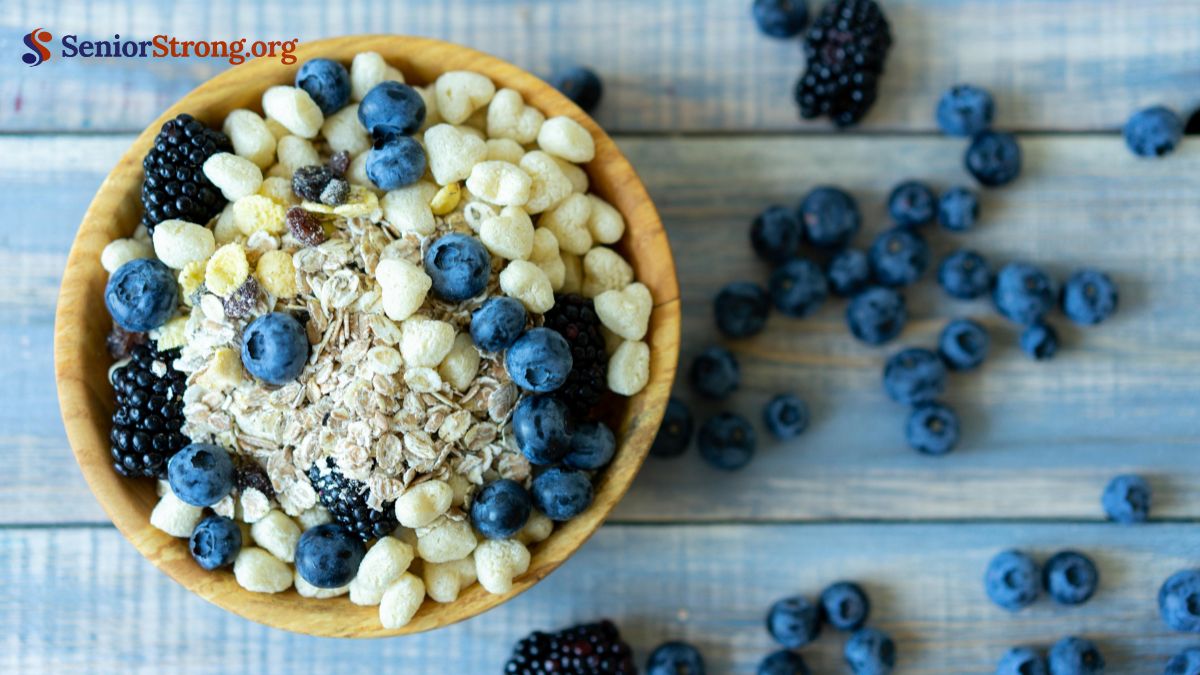
While we've explored how cereals can support heart health, it's also important to reflect on their role in digestive health. Choosing the right cereal can make a significant difference in maintaining a healthy digestive system.
We should look for ingredients that promote good digestion, such as fiber and probioticsLive bacteria and yeasts that are good for your health, especially your digestive system, often refe.... A few characteristics to take into account when selecting a cereal include:
In choosing the healthiest cereal for seniors, we should focus on options rich in whole grains and fiber, like oats, bran, or barley, while keeping added sugars low. It’s crucial to select cereals fortified with important vitamins and minerals, such as calcium, vitamin D, and B vitamins, to support bone health and overall well-being. By prioritizing heart-healthy and digestive-friendly choices, we can guarantee that our breakfasts contribute positively to our health as we age.