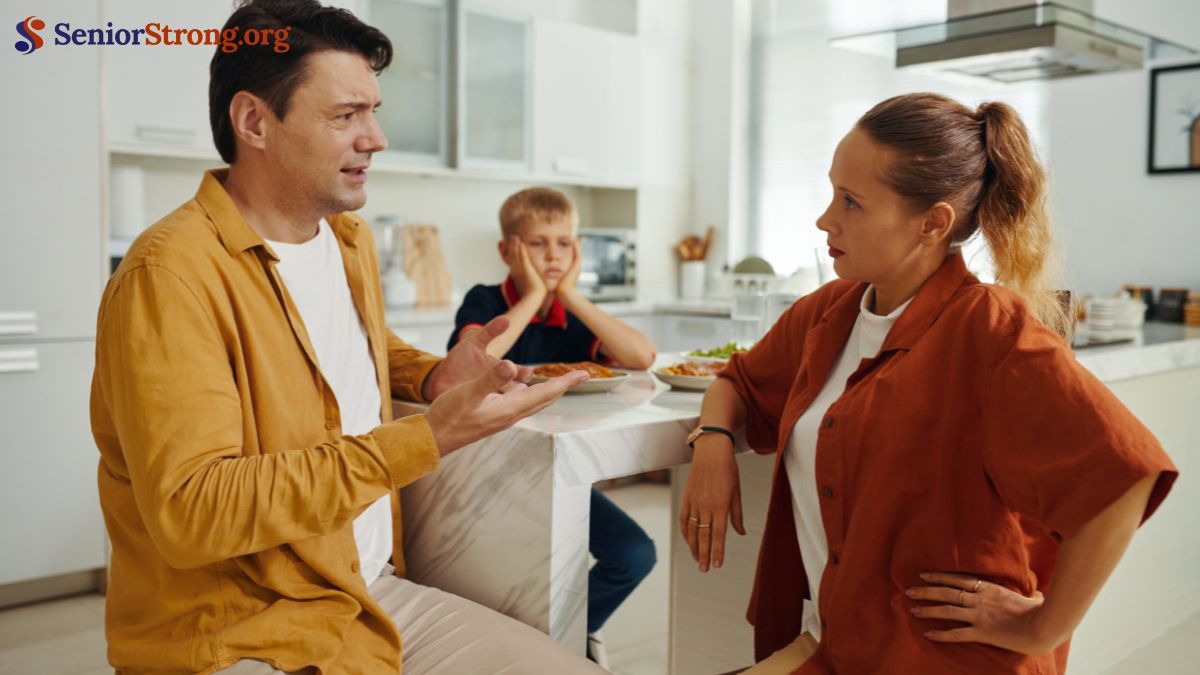
When dealing with bickering elderly parents, it’s essential we approach the situation with patience and understanding. Active listening and open communication can help, but it’s not always straightforward. We need to recognize underlying issues like health concerns or feelings of loss. By setting clear boundaries and encouraging positive engagement, we pave the way for a more harmonious environment. How can we further navigate this delicate balance while ensuring everyone’s emotional well-being?

When it comes to understanding why our elderly parents bicker, it’s important to look beyond the surface conflicts and identify underlying causes. Often, these arguments stem from changes in their lives, such as health issues or loss of independence. We must acknowledge that aging can bring frustration, and sometimes, our parents might feel they’ve lost control over their circumstances.
In many cases, long-standing habits and communication patterns contribute to their disagreements. Our parents may have developed ways of interacting that are now less effective or misunderstood.
Let’s consider the stressors they face: limited mobility, hearing lossThe partial or total inability to hear sound in one or both ears, common in the elderly., or even loneliness. By recognizing these factors, we gain empathy and insight, which helps us support them effectively. Understanding their perspective is vital to addressing the root causes of their bickering.
Let's focus on practicing active listening with our elderly parents by understanding their perspective and encouraging open communication.
When we truly listen, we show them that their opinions and feelings matter, which can calm tensions.
To truly understand our elderly parents' perspective, we must engage in active listening, which involves more than just hearing their words. We need to focus on their emotions and the intentions behind their expressions.
Let’s pay attention to their tone, body language, and subtle cues that reveal their true feelings and concerns. By doing so, we gain insight into their world, shaped by years of experience and changing circumstances.
We should express empathy and show genuine interest in their stories and viewpoints. When they know we’re truly listening, they feel valued and respected.
It's essential for us to acknowledge their fears, frustrations, and joys, as these emotions drive their behavior. Understanding their perspective fosters compassion, helping us navigate conflicts with patience and care.
Although it requires effort, fostering open communication with our elderly parents is essential to maintaining a healthy relationship.
We must practice active listening, a skill that helps us truly understand their concerns and feelings. By giving them our full attention and responding thoughtfully, we create an environment where they feel heard and valued.
It’s important to ask open-ended questions that encourage them to express themselves freely. We should also acknowledge their emotions without judgment, as this validates their experiences and promotes trustA fiduciary arrangement that allows a third party, or trustee, to hold assets on behalf of a benefic....
Let's remember not to interrupt or rush them, as patience is key.
When we engage in open communication, we not only ease tensions but also strengthen our bond, making it easier to navigate any disagreements.
When dealing with bickering elderly parents, setting clear boundaries and guidelines can help create a more harmonious environment.
We need to remember that boundaries aren't just about restrictions; they're about creating a space where everyone's needs are respected.
Let's start by identifying the specific behaviors or topics that often lead to conflict. Once we've pinpointed these, we can establish guidelines that we all agree on, like avoiding certain subjects during family gatherings or setting time limits for discussions.
It's important that we communicate these boundaries with kindness and understanding.
We should be firm, yet compassionate, explaining that these guidelines are here to support a peaceful coexistence.
Let's focus on encouraging open communication by fostering active listening skills among our parents.
We should promote honest expression to guarantee that everyone feels heard and understood.
To foster active listening skills and encourage open communication with our elderly parents, we should focus on being fully present during conversations.
By eliminating distractions like phones or TV, we show them their words matter to us. Let’s practice empathy by truly trying to understand their perspectives, even when we disagree.
We need to give them our undivided attention, making eye contact and nodding to show we’re engaged. Reflecting back on what they say can also clarify any miscommunications and confirm we’re on the same page.
Asking open-ended questions encourages them to express themselves more freely. By demonstrating patience and understanding, we create a safe space for them to share their thoughts, fostering a stronger, more respectful relationship.
Encouraging elderly parents to express themselves honestly can strengthen our relationship and prevent misunderstandings. When we foster an environment where they feel safe to share their thoughts and feelings, it opens the door to deeper connection.
Let’s ask open-ended questions and show genuine interest in their perspectives. By doing so, we convey that their voices matter, and they’re not just being heard but truly understood.
We should also model honest expression. When we share our feelings openly, it normalizes the behavior and assures them it’s okay to speak their minds.
Let’s avoid interrupting and listen with empathy. Acknowledging their emotions validates their experiences, making them more likely to communicate openly.
Together, we can create a space filled with trust and understanding.
While it might be tempting to dismiss frequent bickering as a natural part of aging, it's essential to address the underlying issues that fuel these conflicts.
We need to encourage our parents to communicate openly and honestly with each other. By fostering an environment where they feel safe to express their concerns, we can help them uncover the root causes of their disagreements. Sometimes, these conflicts stem from unmet emotional needs, fears, or unresolved past issues.
Let's approach this with empathy and patience. We can facilitate conversations by asking open-ended questions, listening actively, and validating their feelings.
Encouraging them to share their perspectives may bring clarity and resolution. As we gently guide them, we create a space for healing and understanding, easing tension in their relationship.
When faced with bickering elderly parents, it's essential that we maintain neutrality and fairness to foster a peaceful environment. Our role is to be mediators, not taking sides or showing favoritism.
To navigate this delicate situation, we can follow these steps:
In situations where our efforts to mediate and foster understanding between bickering elderly parents don't bring about the desired harmony, exploring outside help can be incredibly beneficial.
Professional support, like family therapists or counselors, can offer neutral perspectives and equipped strategies to address underlying issues. They provide a safe space for our parents to voice concerns and learn effective communication skills.
We might also consider support groups, where our parents can connect with others facing similar challenges. These gatherings can offer camaraderie and insights, making them feel less isolated.
Additionally, reaching out to community resources, such as senior centersCommunity-based facilities that offer a variety of recreational, educational, and health services ta... or social servicesSupport services that help seniors maintain an independent lifestyle, including transportation, meal..., can provide guidance tailored to our parents’ specific needs.
Encouraging our elderly parents to engage in positive activities can greatly enhance their emotional and physical well-being.
By focusing on activities that bring joy and purpose, we can help reduce tension and improve their daily interactions.
Here are three ways to promote positive engagement:
1. Shared Hobbies: Let’s encourage them to revisit hobbies they once loved, whether it’s gardeningThe practice of growing and cultivating plants as part of horticulture therapy, which can provide ph..., painting, or playing a musical instrument.
Shared interests can spark joy and create bonding moments.
2. Social Connections: Organize small gatherings or introduce them to community clubs.
Regular interaction with peers can provide laughter and support, essential for a happier life.
3. Physical Activity: Suggest gentle exercises like walking or yogaA mind and body practice with historical origins in ancient Indian philosophy, which includes physic....
These activities not only boost physical health but also uplift their spirits, helping them feel more energetic and involved.
As we focus on the well-being of our elderly parents, it’s crucial to address their health concerns proactively. We must guarantee they attend regular medical check-ups and adhere to prescribed treatments. Understanding their medications and potential side effects allows us to better support their health journey.
Let's encourage open communication with healthcare professionals, so our parents feel heard and respected.
We should also pay attention to their mental and emotional health. Sometimes, underlying health issues contribute to bickering or irritability. Creating a safe environment for discussing their feelings helps us identify and possibly alleviate stressors.

While caring for our elderly parents, we mustn’t forget to prioritize our self-care and emotional balance. It’s easy to become overwhelmed by their needs, but neglecting ourselves can lead to burnout.
Let’s remember that our well-being is essential to effectively support our parents. Here’s how we can maintain balance:
Taking care of ourselves isn’t selfish; it’s necessary.
In dealing with our bickering elderly parents, let's remember that understanding and empathy are essential. By actively listening and setting clear boundaries, we create a respectful environment for open communication. Staying neutral and encouraging positive activities can make a big difference. Seeking external support and addressing health concerns are vital steps, too. Most importantly, we can't forget about self-care—it helps us maintain emotional balance and promotes harmony within our family. Together, we can navigate this journey.