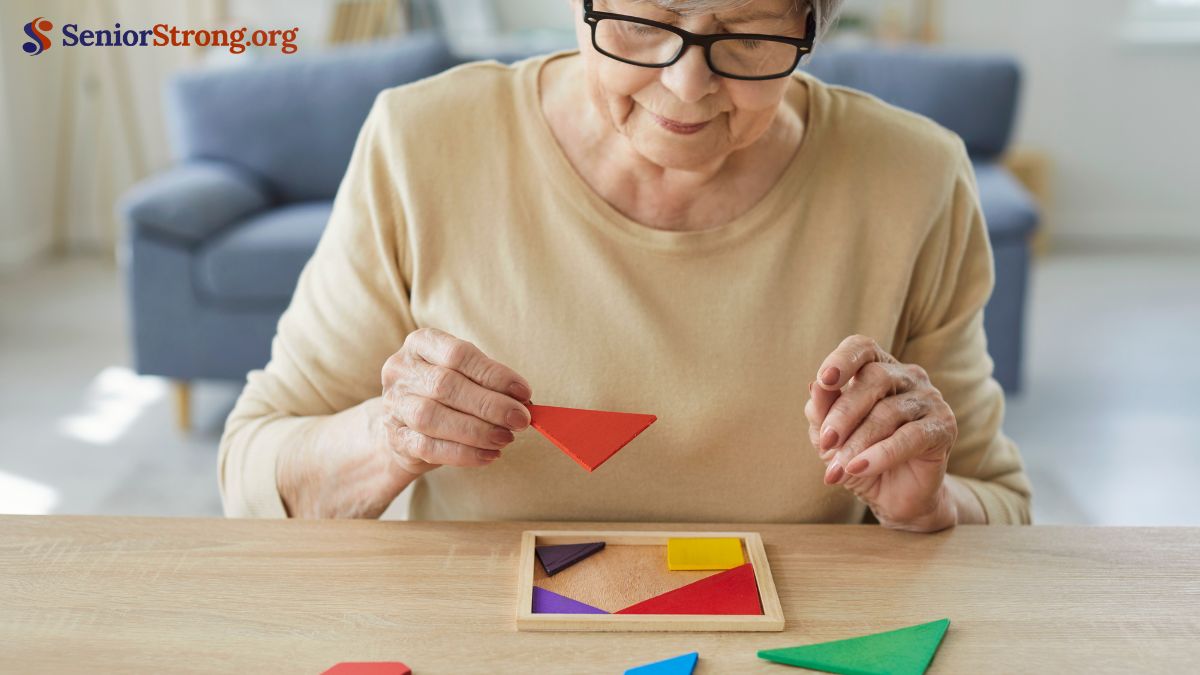
As we explore the nutritional concerns among the elderly, we'll find that malnutritionA condition that results from eating a diet in which nutrients are either not enough or are too much..., vitamin deficiencies, and hydrationThe process of causing something to absorb water. In seniors, maintaining hydration is critical for ... issues take center stage. These challenges often stem from factors like decreased appetite, difficulty in chewing, and a reduced sense of thirst. Addressing these issues is vital for maintaining their health and well-being. Let's dive deeper into how these concerns manifest and discover practical solutions to support our loved ones in their golden years.
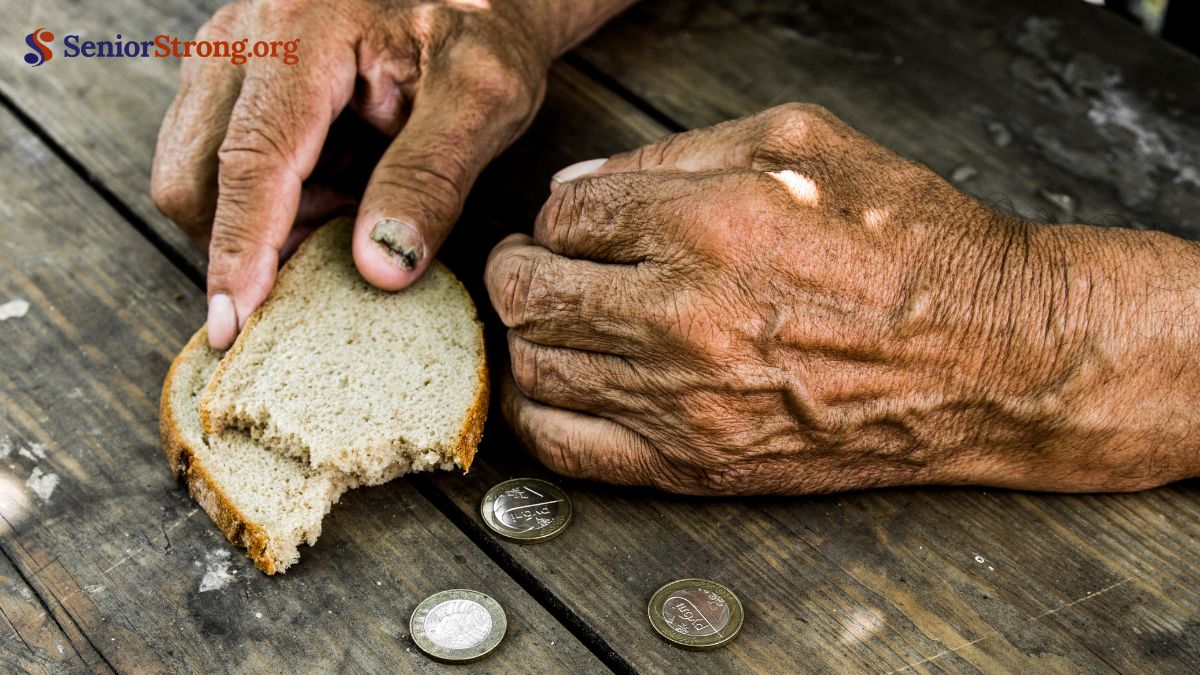
Although often overlooked, malnutrition in the elderly is a critical issue that we must address to guarantee the well-being of our aging population.
As we age, our nutritional needs change, and understanding these changes is essential. Malnutrition doesn't just mean lack of food; it involves insufficient intake of essential nutrients like vitamins, minerals, and proteins. These deficiencies can lead to weakened immune systems, decreased muscle mass, and increased vulnerability to illnesses.
We need to take into account factors that contribute to malnutrition, including difficulties with chewing or swallowing, medication side effects, and reduced appetite.
As we explore the signs of malnutrition, let's pay attention to common indicators like unexpected weight loss, fatigue, and weakened immunity.
We should also recognize nutrient deficiencies by noting changes such as brittle hair and nails or cognitive declineThe gradual loss of cognitive function, which can include memory impairment, difficulty with decisio....
Together, we can better understand the risk factors and vulnerabilities that make the elderly more susceptible to these issues.
Malnutrition, particularly among the elderly, can manifest through various subtle and overt signs that we should be vigilant about recognizing.
Weight loss is a common indicator and may be accompanied by muscle weakness, making daily activities challenging. We might notice fatigue, which could lead to reduced physical activity, further exacerbating nutritional issues.
Changes in mood, such as increased irritability or depressionA common and serious medical illness that negatively affects how one feels, the way one thinks, and ..., can also signal malnutrition, as the brain requires proper nutrients to function effectively.
Additionally, dental problems, like difficulty chewing, can contribute to inadequate food intake.
We should also be attentive to any skin changes, such as dryness or a pale complexion, which might indicate poor nutrition.
Spotting nutrient deficiencies in the elderly requires keen observation and an understanding of specific symptoms. We might notice weight loss, fatigue, or muscle weakness, which can indicate a lack of essential nutrients like protein or iron.
Changes in skin, such as dryness or bruising, might suggest a vitamin C or vitamin D deficiency. Let’s also watch for signs of cognitive decline, as they might point to insufficient B vitamins or omega-3 fatty acidsEssential fats the body can't make from scratch but must get from food. They have important benefits....
When we observe these symptoms, it’s important to discuss them with healthcare professionals. They can perform tests to confirm deficiencies and recommend dietary adjustments.
While discussing malnutrition, it's crucial to recognize the risk factors and vulnerabilities that make the elderly more susceptible. As we age, physiological changes can affect appetite and nutrient absorption. Many seniors experience a diminished sense of taste and smell, reducing food intake.
Chronic diseases, such as diabetesA chronic condition that affects the way the body processes blood sugar (glucose), requiring ongoing... or heart diseaseA broad term for a range of diseases affecting the heart and blood vessels, often related to atheros..., can complicate dietary needs. Medications might also interfere with nutrient absorption or appetite.
Social factors play a role too. Living alone can lead to isolation, reducing motivation to prepare balanced meals. Financial constraints on fixed incomes might limit access to nutritious food.
In addition, mobility issues can hinder grocery shopping or cooking.
Recognizing these signs—unintentional weight loss, fatigue, or cognitive decline—helps us address malnutrition proactively, ensuring better health outcomes for our elders.
As we explore the impact of dehydration on senior health, it's essential to recognize the symptoms that might indicate a problem.
We often see dehydration stemming from causes like reduced thirst perception and medication side effects.
How often do we consider the subtle signs of dehydration in seniors?
It's essential we recognize these symptoms to prevent serious health issues. Dehydration can creep up slowly, so let's keep an eye out for these signs:
Recognizing the symptoms of dehydration in seniors is just the first step; understanding what causes it's equally important. As we age, our bodies naturally hold less water, making us more susceptible to dehydration. A reduced sense of thirst can often lead seniors to drink less water, even when their bodies need it.
Certain medications, like diuretics, also contribute to fluid loss. Additionally, mobility challenges or cognitive impairments might hinder adequate fluid intake. Chronic illnesses such as diabetes or kidney disease can further complicate hydration.
We must consider environmental factors too, like hot weather, which can increase the risk. By identifying these causes, we’re better prepared to address the issue and support the health and well-being of our seniors.
To combat dehydration in seniors, we must implement effective preventive hydration strategies. Staying hydrated is essential for maintaining health and well-being.
By setting simple yet impactful practices, we can support hydration in our daily lives. Here are four strategies we can adopt:
Although dehydration might seem like a straightforward issue, it becomes increasingly complex as we age. Our bodies naturally lose some ability to conserve water, and the sensation of thirst often diminishes.
Medications can also play a role; many older adults take diuretics or laxatives, increasing fluid loss. Health conditions like kidney disease or diabetes contribute further, making it essential to stay vigilant.
Let's not forget environmental factors—hot weather or excessive heating indoors can lead to dehydration without us realizing it.
Additionally, cognitive changes may result in forgetting to drink enough water. Social factors, such as isolation or limited mobility, can restrict access to fluids.
As we age, our nutritional needs change, and it’s common for seniors to face vitamin and mineral deficiencies that can impact overall health.
Let’s explore some of the most common deficiencies affecting the elderly:
Understanding these deficiencies helps us support our health better.
Addressing nutritional deficienciesOccur when the body doesn't absorb or get from food the necessary amount of a nutrient; deficiencies... in the elderly requires a proactive approach and thoughtful strategies. We can start by ensuring balanced meals that incorporate all essential nutrients.
Let's focus on including a variety of fruits, vegetables, whole grains, and lean proteins. We should also encourage small, frequent meals to boost nutrient intake without overwhelming digestion.
Staying hydrated is vital, so let's remember to drink plenty of water throughout the day. It's important to monitor portion sizes and adjust them as needed to match energy levels and activity.
We might also consider supplements, but only after consulting with a healthcare professional.
Engaging seniors in meal planningThe process of organizing meals ahead of time, which can involve creating a menu for a forthcoming p... and preparation can make meals more appealing. By creating an enjoyable dining experience, we can foster a positive attitude towards eating.
While strategies for improving nutritional intake are important, the role of caregivers is equally significant in supporting elderly nutrition.
We, as caregivers, have a unique position to influence and enhance the dietary habits of our elderly loved ones. Our responsibilities include:

When it comes to improving nutrition for the elderly, tapping into available healthcare resources can make a significant difference. We often overlook these resources, yet they're vital for supporting seniors' nutritional needs.
First, let's consult with healthcare professionals like dietitians, who can provide personalized dietary plans. They know how to address specific health concerns and guarantee balanced nutrition.
Additionally, many community health programs offer nutritional counselingGuidance provided by dietitians or nutritionists to help seniors maintain or improve their health th... and meal delivery services. These programs help by providing access to nutritious meals and advice tailored to individual needs.
Let's also not forget about pharmacies, which can guide us in choosing supplements to fill nutritional gaps safely.
In tackling the nutritional concerns among the elderly, we must focus on preventing malnutrition, addressing vitamin deficiencies, and ensuring proper hydration. Let's stay vigilant for signs of malnutrition and dehydration, while emphasizing nutrient-rich diets to combat deficiencies in B12, D, and calcium. As caregivers and loved ones, we play an essential role in supporting their health by utilizing healthcare resources and adopting strategies to enhance their nutritional intake. Together, we can improve their overall well-being.