
When we plan a two-week menu for the elderly, it's essential to prioritize their unique nutritional needs. We'll focus on incorporating nutrient-dense foodsFoods that have a lot of nutrients but relatively few calories. They contain vitamins, minerals, com... that are rich in protein, fiberA type of carbohydrate that the body can't digest. It helps regulate the body's use of sugars, helpi..., calciumA mineral essential for life. It is necessary for the proper development and maintenance of healthy ..., and vitamin DA fat-soluble vitamin that is essential in promoting calcium absorption in the gut and maintaining a.... Think colorful fruits, lean proteins, whole grains, and low-fat dairy. Simple, hydrating snacks willA legal document that states how a person's property should be managed and distributed after death. also play a role in enhancing well-being. Let's explore how these elements come together to create meals that are not only nutritious but also enjoyable.

As we age, our nutritional needs change, and it’s vital we comprehend how to adapt our diets accordingly. Our bodies require fewer calories, but we need more nutrients to maintain health. This means focusing on nutrient-dense foods is essential.
We should prioritize lean proteins, whole grains, and plenty of fruits and vegetables. These provide important vitamins and minerals while helping us maintain a healthy weight.
HydrationThe process of causing something to absorb water. In seniors, maintaining hydration is critical for ... is another key element. Our sense of thirst diminishes with age, so let’s make sure we drink enough water daily to support bodily functions.
Also, fiber becomes increasingly important to aid digestion and prevent constipation. By understanding these needs, we can create a balanced and satisfying menu that supports our overall well-being as we age.
While focusing on nutrient-dense foods, we can't overlook the significant roles of calcium and vitamin D in our diet.
These nutrients are essential for maintaining strong bones and reducing the risk of fractures, which is especially important as we age. Calcium is the building block of our bones, while vitamin D helps our bodies absorb this mineral effectively. Without enough of both, our bones can become brittle and weak.
We should aim to include dairy products like milk, cheese, and yogurt, as these are excellent sources of calcium.
For vitamin D, options like fatty fish, fortified cereals, and sunlight exposure can help. By ensuring we incorporate these key nutrients into our meals, we support our overall bone health and well-being.
Let's explore how we can include fiber-rich foods in our two-week menu for the elderly.
By choosing whole grains like brown rice and oats, we provide essential nutrients and promote digestive health.
Incorporating fresh produce such as apples and leafy greens adds valuable fiber and flavor to our meals.
Incorporating whole grains into our meals is a simple yet effective way to boost our fiber intake, which is fundamental for maintaining digestive health. Whole grains like oatmeal, brown rice, and whole wheat bread are rich in nutrients and can help us feel fuller longer, reducing the urge to snack on less healthy options.
They also play an important role in regulating blood sugar levels, which is particularly significant for seniors. When planning our two-week menu, let's include a variety of whole grains to keep meals interesting and nutritionally balanced.
Swapping refined grains for whole grains is an easy step that can make a big difference. By doing this, we support not just digestion but overall well-being and vitality.
A diverse selection of fresh produce offers an abundance of essential nutrients and fiber, crucial for maintaining our health as we age.
Let’s include a variety of colorful fruits and vegetables in our menu. Leafy greens like spinach and kale are rich in vitamins and minerals, while berries provide antioxidantsSubstances that may protect your cells against free radicals, which may play a role in heart disease....
Root vegetables such as carrots and sweet potatoes deliver fiber and vitamins. Incorporating fiber-rich choices like apples, pears, and broccoli can help support digestive health and prevent constipation, a common issue among the elderly.
We should aim for at least five servings of fruits and vegetables daily. This can be easily achieved by adding a side salad, fruit snacks, or vegetable-rich soups.
When planning meals for the elderly, prioritizing protein is essential for maintaining muscle mass and overall health.
We can create meals that are both delicious and nutritious by incorporating a variety of protein sources. Here are four protein-packed meal ideas to take into account:
These meals guarantee we meet protein needs while enjoying flavorful dishes.
Let's focus on staying hydrated, as it's essential for our health, especially for the elderly.
We should explore nutritious drink options like water, herbal teas, and milk, while keeping an eye on limiting sugary beverages.
Together, we'll make certain our hydration choices support overall well-being.
Although we often focus on food choices, staying hydrated is equally essential for the elderly's health and well-being. As we age, our sense of thirst diminishes, making it imperative to prioritize hydration.
Here’s why:
Let's remember that hydration isn't just about drinking water—it's about ensuring our bodies have the fluids needed to function effectively.
Keeping these points in mind can profoundly impact the elderly's quality of lifeThe general well-being of individuals and societies, outlining negative and positive features of lif....
Understanding the importance of hydration leads us to contemplate what we drink as much as what we eat. For the elderly, choosing the right beverages can make a significant difference in their overall well-being.
Let's explore options that are both nutritious and hydrating. Water should be our primary choice, given its essential role in maintaining bodily functions. Herbal teas offer a flavorful alternative and can provide various health benefits without caffeine.
Milk, whether cow's or plant-based, delivers necessary nutrients like calcium and vitamin D, supporting bone health. For a touch of sweetness, consider 100% fruit juices in moderation, ensuring they’re free from added sugars.
These options help maintain hydration levels and provide essential nutrients, contributing to a balanced and healthful diet.
When considering the beverages we consume, it’s important to be mindful of sugary drinks, especially for the elderly. Excess sugar can lead to health issues like diabetesA chronic condition that affects the way the body processes blood sugar (glucose), requiring ongoing... and heart diseaseA broad term for a range of diseases affecting the heart and blood vessels, often related to atheros....
Let’s explore ways to limit these beverages:
Catering to dietary restrictions is essential when planning meals for the elderly, ensuring they receive the nutrition they need without compromising their health.
We must be vigilant about common dietary restrictions such as low-sodium, gluten-free, or lactose-free needs. Let’s carefully review each individual’s specific dietary guidelinesRecommendations about food choices, based on scientific evidence, intended to help people choose an ..., whether they’re managing diabetes, hypertensionHigh blood pressure, a condition in which the blood pressure in the arteries is persistently elevate..., or allergies.
We should collaborate with healthcare providers or dietitians to tailor meal plans effectively.
It’s important to read ingredient labels and choose fresh, unprocessed foods whenever possible. Substituting ingredients, like using almond milk instead of dairy or quinoa instead of pasta, can help meet these needs.
After ensuring dietary restrictions are respected, let's focus on making meals enjoyable and flavorful for the elderly.
Taste and presentation can notably impact meal enjoyment, so we should aim to create dishes that are both visually appealing and delicious. Here are some ways to enhance flavors and experiences:
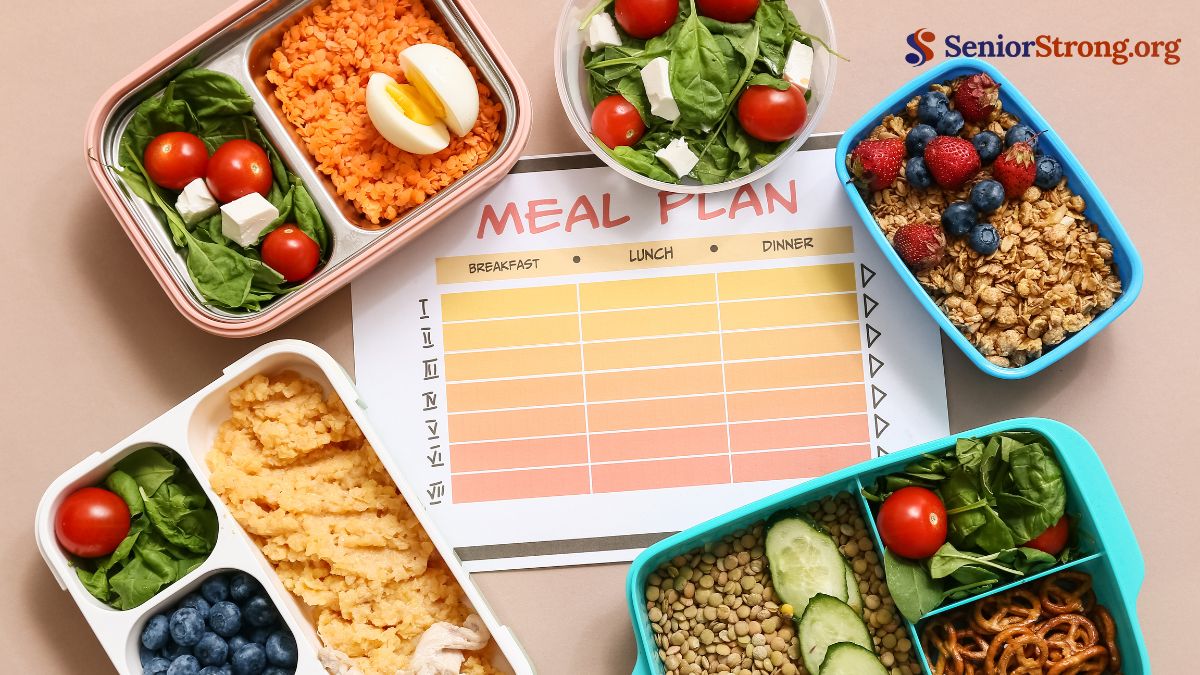
Planning meals for the elderly can be straightforward when we take a systematic approach. First, let's consider dietary needs and preferences, guaranteeing meals are balanced with proteins, whole grains, and vegetables.
We'll aim for variety to keep meals interesting and nutritious. Planning ahead is essential; creating a two-week menu helps us stay organized and reduces stress.
We should include easy-to-prepare dishes that save time and effort. Batch cooking and freezing meals can provide convenient options for busy days.
It's important to monitor portion sizes to prevent waste and guarantee proper nutrition. Let's also remember to incorporate snacks that promote health, like fruit or yogurt.
In planning a two-week menu for seniors, let's prioritize their unique nutritional needs by incorporating a diverse range of nutrient-dense foods. We'll guarantee meals are rich in protein, fiber, calcium, and vitamin D, focusing on lean proteins, whole grains, and colorful fruits and vegetables. Hydration is key, so we'll include hydrating snacks like yogurt and smoothies. By considering dietary restrictions and emphasizing easy, flavorful meals, we can enhance their well-being and enjoyment at mealtime.