Let's explore the challenge of nourishing elderly loved ones who've lost their appetite. It's essential to understand why this happens and how we can help. We'll focus on offering nutrient-dense, easy-to-chew foods that are both appealing and beneficial. By adjusting meal timing, enhancing flavors, and ensuring hydrationThe process of causing something to absorb water. In seniors, maintaining hydration is critical for ..., we can make mealtimes more enjoyable. So, how do we transform these strategies into practical, everyday solutions?
As we age, it’s common to notice changes in appetite, but understanding why the elderly lose their desire to eat is essential for addressing the issue. Several factors contribute to this decline.
Medications can alter taste, making food less appealing. Additionally, health conditions like chronic painPersistent pain that can range from mild to severe and lasts for an extended period, often affecting... or depressionA common and serious medical illness that negatively affects how one feels, the way one thinks, and ... may dampen the desire to eat. Our sense of taste and smell naturally diminish over time, which can reduce food enjoyment.
Social factors also play a role; eating alone often leads to a decreased interest in meals. Let’s not overlook dental issues, which can make eating uncomfortable.
When dealing with a lack of appetite in the elderly, focusing on nutrient-dense foods becomes fundamental. These foods guarantee that even small amounts can provide the necessary vitamins and minerals to maintain health.
Let's explore why they matter:
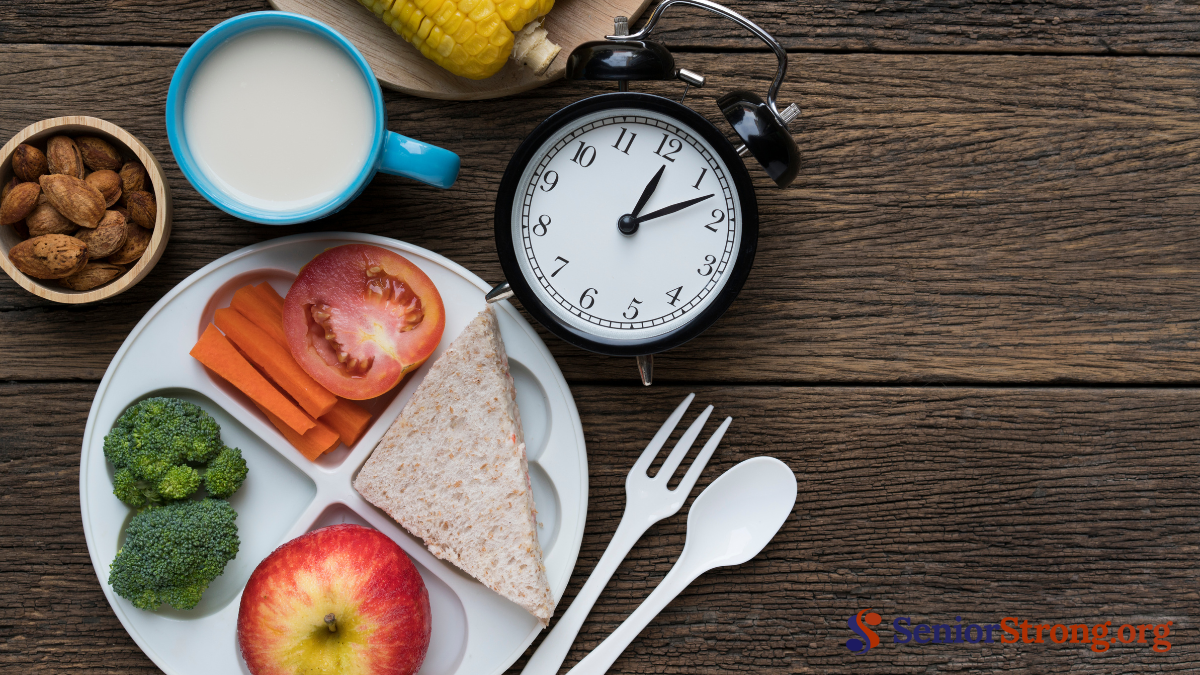
Let's explore how adjusting meal timing and frequency can help improve appetite in the elderly.
By offering small, frequent meals and scheduling snack times, we can make eating feel less overwhelming and more manageable.
Maintaining a consistent meal routine also helps establish a sense of normalcy and predictability, which can encourage regular eating habits.
While addressing the challenge of feeding elderly individuals with no appetite, we should consider the strategy of offering small, frequent meals. This approach helps maintain energy levels and guarantees nutrient intake without overwhelming the digestive system.
It's essential to focus on quality over quantity. By doing so, we can create a more appealing eating experience.
Here’s how we can implement this:
Let’s prioritize these aspects to support their nutritional needs effectively.
Building on the strategy of small, frequent meals, we can further enhance the eating routine for elderly individuals by establishing scheduled snack times. By setting specific times for snacks, we help create a predictable pattern that encourages regular intake of nutrients. This approach not only supports better digestion but also helps maintain energy levels throughout the day.
We should choose snacks that are nutrient-dense and easy to consume. Options like yogurt, cheese slices, or a small portion of nuts can be both satisfying and nutritious.
It’s important to avoid overwhelming them with too many choices, which might deter them from eating altogether. Consistency in snack times also helps in forming a routine, making it easier for the elderly to anticipate and participate in eating.
Establishing a consistent meal routine is essential for elderly individuals, as it assists in regulating their appetite and nutritional intake. When meals are predictable, it helps their bodies recognize hunger cues and maintain energy levels.
Let’s explore three strategies to create a successful meal routine:
As we navigate the challenge of feeding elderly loved ones who lack appetite, focusing on easy-to-chew and digest foods becomes essential.
Soft foods like mashed potatoes, scrambled eggs, and oatmeal offer comfort and ease. These options aren't only gentle on the digestive system but also provide necessary nutrients.
We can also consider incorporating smoothies or pureed soups, which allow us to pack in vegetables, fruits, and proteins in a palatable form.
Let’s not forget about the importance of presentation. Small, visually appealing portions can make meals more inviting.
Adding spices or herbs can enhance flavor without overwhelming the senses. By carefully selecting and preparing meals, we guarantee that our loved ones receive both the nutrition they need and the enjoyment they deserve.
Let's explore how staying hydrated can influence appetite in the elderly.
We often overlook the importance of fluid intake, but it plays an essential role in maintaining hunger signals and overall health.
While considering the challenges of feeding the elderly with no appetite, it’s crucial to recognize the importance of fluid intake. Proper hydration plays a key role in maintaining overall health and can positively impact appetite.
Let's explore the importance of fluids:
Although hydration is often overlooked, it plays a pivotal role in regulating appetite among the elderly. When we're adequately hydrated, our bodies function efficiently, and signals for hunger are clearer.
Dehydration often masquerades as hunger, leading to confusion about actual nutritional needs.
Let's pay attention to signs of dehydration, like dry mouth or fatigue, which might suppress appetite further. Encouraging regular fluid intake can help maintain a proper balance, making it easier for the elderly to recognize genuine hunger.
We should aim for appealing hydration options, like flavored water or herbal teas, to make drinking more enjoyable.
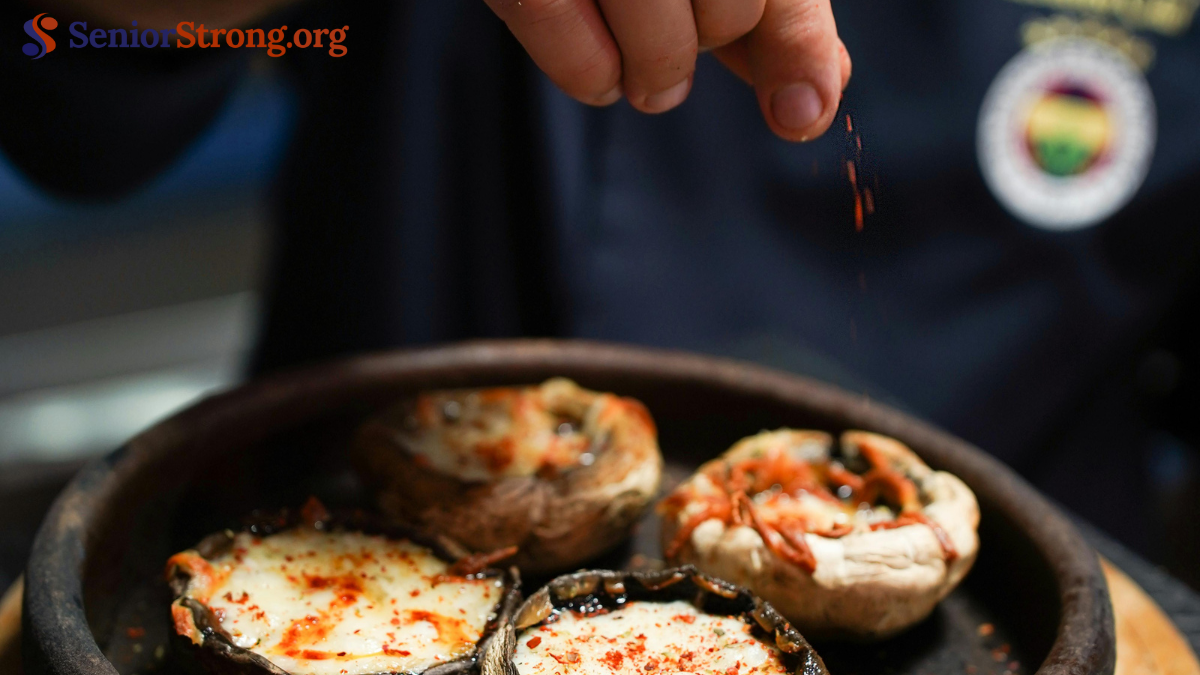
To enhance the dining experience for elderly individuals with diminished appetites, we can explore various flavor enhancements and seasoning ideas that make meals more appealing.
By doing so, we not only make food more enjoyable but also encourage better nutrition. Here are three simple ways to add flavor without overwhelming the senses:
As we look into incorporating supplements and nutritional drinks into the diets of elderly individuals with reduced appetites, it’s important to focus on options that both complement their nutritional needs and are easy to consume.
Nutritional drinks, like Ensure or Boost, provide essential vitamins, minerals, and calories in a convenient form. They’re particularly beneficial when solid food intake is limited. We can also consider protein powders or meal replacement shakesLiquid meals designed to provide a balanced supply of nutrients in a convenient form, often used by ..., which offer a balanced nutrient profile.
Supplements, such as multivitamins or specific nutrients like vitamin DA fat-soluble vitamin that is essential in promoting calcium absorption in the gut and maintaining a... and calciumA mineral essential for life. It is necessary for the proper development and maintenance of healthy ..., can fill dietary gaps. We should consult healthcare professionals to tailor these options to individual needs, making sure they don’t interfere with medications.
How can we transform mealtime into a pleasurable experience for elderly individuals with no appetite? Creating an inviting eating environment makes a significant difference.
Let's explore some simple yet effective strategies:

While we often focus on diet and meal settings to boost appetite in the elderly, let's not overlook the power of physical activity. Engaging in regular movement can greatly enhance appetite. When we encourage our loved ones to partake in gentle exercises like walking, stretching, or even chair yogaA gentle form of yoga practiced sitting on a chair or standing using a chair for support, suitable f..., we can help stimulate their metabolism.
This, in turn, can lead to an increased desire to eat. Moreover, physical activity enhances mood and overall well-being, which might positively influence eating habits.
It's crucial to tailor activities to individual abilities, ensuring they're both safe and enjoyable. By integrating even a small amount of movement into their daily routine, we create an opportunity to naturally boost their appetite, supporting better nutrition and health.
When it comes to boosting appetite in the elderly, creating opportunities for social meals and shared dining experiences can make a significant difference. Sharing meals isn't just about food; it's about connection and community.
Here’s how we can foster these experiences:
Together, we can transform mealtime into a delightful experience.
To sum up, let's focus on making mealtimes enjoyable and nourishing for our elderly loved ones. By understanding their unique needs and preferences, we can offer nutrient-dense, easy-to-chew foods that are both comforting and appealing. Small, frequent meals and proper hydration are key, and don’t forget the power of social dining experiences to stimulate appetite. With these strategies, we're not just providing meals; we're enhancing their quality of lifeThe general well-being of individuals and societies, outlining negative and positive features of lif... and overall well-being.