
As we age, maintaining ideal health becomes increasingly essential, and choosing the right nutritional supplementsProducts taken orally that contain one or more ingredients (as vitamins or amino acids) intended to ... can play a key role in this. Many of us wonder which supplements are most beneficial for seniors. While a tailored multivitamin often tops the list, factors like bone health, cognitive function, and immune support also call for attention. Let’s explore how specific supplements can bridge dietary gaps and enhance well-being in our golden years.
As we explore understanding common nutrient deficiencies in seniors, it’s important to recognize that aging often brings changes in dietary needs and absorption capabilities.
Our bodies mightn't process nutrients as efficiently, making some vitamins and minerals harder to obtain. Calcium and vitamin D are essential for bone health, yet seniors often lack them, increasing the risk of fractures.
Iron deficiency can lead to anemiaA condition in which the blood lacks enough healthy red blood cells to carry adequate oxygen to the ..., while insufficient B12 affects energy levels and cognitive function.
Magnesium, significant for muscle and nerve function, is another concern. Let's not forget potassium, critical for heart health, which can be overlooked.
When it comes to supporting senior nutrition, multivitamins can play an essential role in bridging dietary gaps. As we age, our bodies mightn't absorb nutrients as efficiently, and our dietary needs can change.
Multivitamins offer a convenient solution to guarantee we're getting essential vitamins and minerals that might be lacking in our diets. They don't replace a balanced dietA diet that contains the proper proportions of carbohydrates, fats, proteins, vitamins, minerals, an... but support it, providing peace of mind that we're covering our nutritional bases.
For seniors, multivitamins can help maintain energy levels, support immune function, and promote bone health. It's important to choose a multivitamin tailored to our specific age group, as these are formulated to address common deficiencies found in older adults.
Let's consult with healthcare providers to determine the best option for our needs.
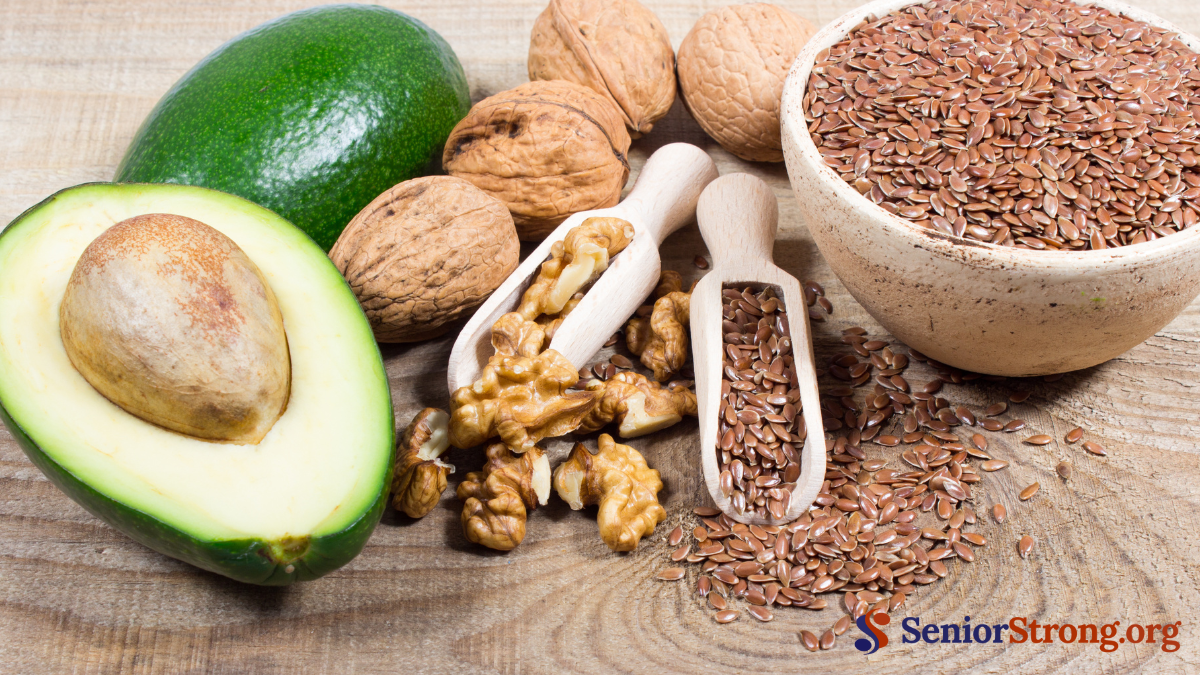
While many of us focus on multivitamins, it's equally important to contemplate the benefits of omega-3 fatty acids for elderly health. Omega-3s, found in fish oil and certain plant oils, play an essential role in maintaining cognitive function. As we age, our brains can benefit from their anti-inflammatory properties, potentially reducing the risk of cognitive declineThe gradual loss of cognitive function, which can include memory impairment, difficulty with decisio....
Moreover, omega-3s support heart health by lowering triglyceride levels and blood pressure. This is significant, considering cardiovascular issues are common as we grow older.
They also aid in joint health by reducing stiffness and discomfort, making daily activities more enjoyable.
Incorporating omega-3s into our diet through supplements or food sources can enhance our overall well-being, helping us maintain an active and healthy lifestyle.
Ensuring we get enough calcium and vitamin D is essential for maintaining strong and healthy bones, especially as we age. These nutrients work together to support our skeletal system.
Calcium is vital for bone structure, while vitamin D improves calcium absorption. As we grow older, our bodies become less efficient at producing vitamin D from sunlight and absorbing calcium from food, increasing the risk of osteoporosisA bone disease that occurs when the body loses too much bone, makes too little bone, or both, leadin....
To boost our bone health, we can focus on:
As we age, maintaining a balanced gut microbiome becomes essential for our overall digestive health.
Probiotic supplements can play a significant role in supporting this balance, helping us improve nutrient absorption and enhance our immune function.
Let’s explore how incorporating these supplements into our routine can benefit our digestive systems.
For older adults, maintaining a balanced gut microbiome is essential for overall digestive health.
As we age, our gut flora can change, impacting digestion and nutrient absorption. It’s vital for us to focus on habits that promote gut balance and address any disruptions.
To support a healthy gut microbiome, we can:
Probiotics have emerged as a key component in supporting digestive health, especially for older adults. As we age, our gut microbiome changes, which can affect digestion and nutrient absorption. Probiotics help restore balance by introducing beneficial bacteria that improve gut function. This can lead to better digestion, reduced bloating, and enhanced nutrient uptake.
We often overlook the importance of a healthy gut, but incorporating probiotics into our daily routine can make a significant difference. They can also strengthen our immune system, which naturally weakens with age, by promoting a healthy balance of gut bacteria.
Let’s remember, not all probiotics are the same. It's essential to choose strains that are well-researched and effective for our specific needs. Consulting healthcare professionals can guide us in making the right choice.

While many factors contribute to the aging process, antioxidantsSubstances that may protect your cells against free radicals, which may play a role in heart disease... can play a significant role in mitigating its effects.
These powerful compounds help combat oxidative stressAn imbalance between free radicals and antioxidants in the body, which can lead to cellular damage a..., which can damage our cells and accelerate aging. By incorporating antioxidants into our diet or through supplements, we may support our overall health and vitality as we age.
Let's explore some key benefits of antioxidants:
When considering supplements for the elderly, we must prioritize safety to guarantee we're supporting rather than compromising health. As we age, our bodies process nutrients differently, and some supplements might interact with medications or pre-existing conditions.
It's essential to consult healthcare professionals before adding any supplement to an elderly person's routine. They can help identify potential risks and confirm proper dosage.
We also need to watch out for supplements that promise miraculous results. If it sounds too good to be true, it probably is.
Remember, dietary supplements aren't regulated like medicines, so quality can vary. Choosing reputable brands with third-party testing is important.
In understanding the best nutritional supplements for the elderly, we've seen the importance of addressing common nutrient deficiencies. Multivitamins can fill dietary gaps, while omega-3 fatty acids and antioxidants support overall health. Calcium and vitamin D are essential for bone strength, and probiotics aid digestive health. Remember, it's important for us as caregivers to consult healthcare professionals to tailor supplements to individual needs, ensuring safety and effectiveness in enhancing our loved ones' well-being.