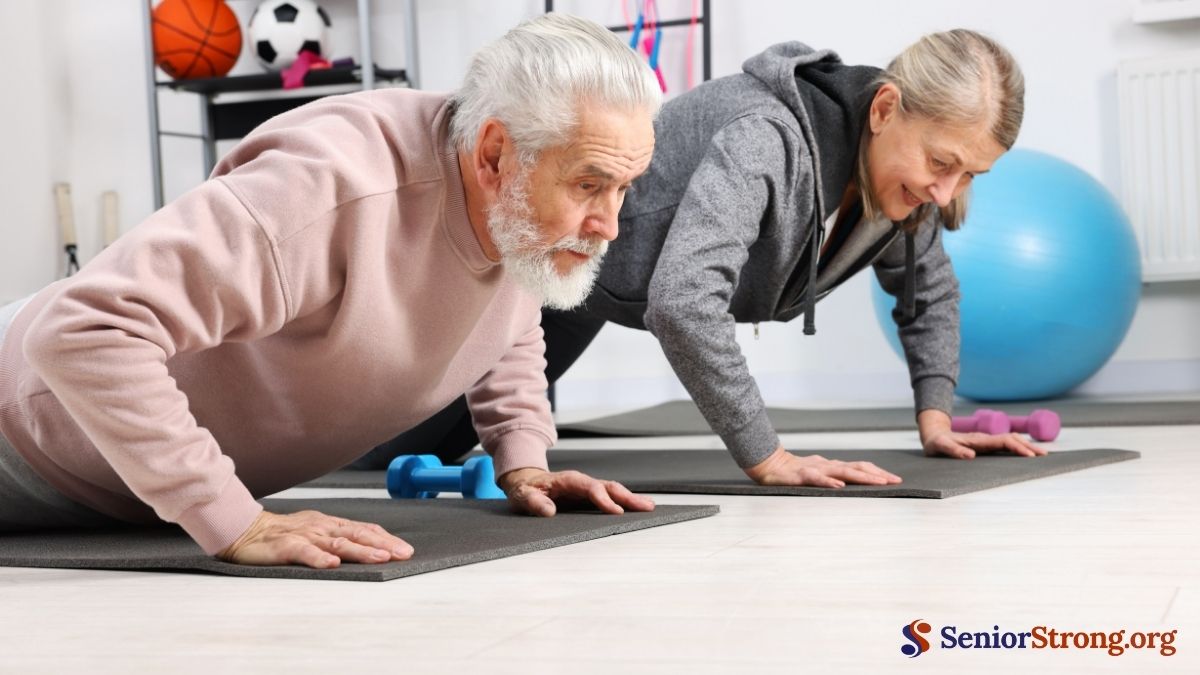
As we age, staying active is vital, but can too much exercise actually harm seniors? Our bodies change over time, and what once was a beneficial routine might now pose risks. Overtraining could lead to fatigue and increased injury risk, especially in older adults. It's essential we find a balance that promotes health without causing harm. Let's explore how we can achieve the right mix of activity and rest for longevity.

While we might sometimes overlook it, exercise plays an essential role in maintaining health and energy as we age. Regular physical activity helps us strengthen muscles and bones, improving balance and coordination, which reduces the risk of falls.
Exercise also boosts cardiovascular health, enhancing heart function and circulation. This can lead to better endurance and liveliness in our daily activities.
Moreover, staying active aids in managing weight, which is critical for avoiding obesity-related issues, like diabetesA chronic condition that affects the way the body processes blood sugar (glucose), requiring ongoing... and hypertensionHigh blood pressure, a condition in which the blood pressure in the arteries is persistently elevate....
Exercise also supports mental health by reducing symptoms of depression and anxiety, while promoting a more positive mood. As we engage in physical activities, we stimulate brain function, potentially delaying cognitive declineThe gradual loss of cognitive function, which can include memory impairment, difficulty with decisio....
Let’s embrace exercise as an important component of our well-being journey.
How can we tell when exercise becomes too much of a good thing? Recognizing the signs of overtraining is essential for maintaining our health.
It’s important to listen to our bodies and watch for signals indicating that we might be pushing too hard.
Here are some signs we should watch out for:
When we over-exercise, especially as seniors, our bodies can experience joint and muscle strain that leaves us more vulnerable to injuries.
It's essential to recognize that our bodies need time to recover, or we risk causing more harm than good.
Let's explore how excessive exercise impacts our physical well-being and what we can do to prevent injury.
As we age, it's important to remain active, but over-exercising can lead to joint and muscle strain, which many seniors mightn't anticipate.
Our bodies change over time, and when we push too hard, we risk overloading our joints and muscles. This strain can be uncomfortable and potentially sideline us from our favorite activities.
Let’s consider a few ways to help manage this:
Over-exercising can considerably increase the risk of injury, especially for seniors. Our bodies naturally change as we age, and our bones and muscles may not recover as quickly as they once did. When we push ourselves too hard, we risk sprains, fractures, or even more severe injuries.
It's essential for us to listen to our bodies and recognize when we're pushing beyond our limits. We must remember that quality matters more than quantity when it comes to exercise.
Let’s focus on balanced routines that include rest and recovery. By doing so, we can enjoy the benefits of staying active without the drawbacks of over-exertion.
Consulting with healthcare professionals can help tailor an exercise plan that maximizes benefits while minimizing risks.
As we explore how exercise affects seniors, it's essential to identify potential risk factors.
Age-related physical limitations, pre-existing health conditions, and medication side effects can all influence how safely seniors can engage in physical activities.
While exercise offers numerous health benefits, we must acknowledge the age-related physical limitations that may affect seniors. As we age, our bodies naturally undergo changes that can impact physical activity. Recognizing these limitations helps us exercise safely and effectively.
Let's consider a few key factors:
Even though exercise is beneficial, we must consider pre-existing health conditions that might pose risks for seniors. As we age, chronic illnesses like heart diseaseA broad term for a range of diseases affecting the heart and blood vessels, often related to atheros..., arthritisAn inflammation of the joints that causes pain and stiffness and is more common in older adults., or diabetes can affect how our bodies respond to physical activity.
It’s essential to understand these conditions so we can tailor exercise plans that are safe and effective. For instance, arthritis may limit joint movement, making certain exercises painful or harmful. Similarly, heart conditions require monitoring to guarantee cardiovascular activities don’t become overexerting.
We should consult healthcare providers to identify these risk factors and adapt exercise routines accordingly. By doing so, we guarantee that physical activity remains a positive aspect of senior health without inadvertently causing harm.
Let’s prioritize safety while encouraging active lifestyles.
Medication interactions pose significant concerns for seniors engaging in regular exercise. As we age, our bodies process medications differently, and combining this with exercise can lead to unexpected side effects.
We must consider how medications might impact our physical activities. Some common interactions include:
To guarantee seniors engage in safe exercise routines, it's essential that we consider personalized strategies. We should start by consulting healthcare professionals to tailor exercises to individual needs and limitations.
Let's prioritize low-impact activities like walking, swimming, or yogaA mind and body practice with historical origins in ancient Indian philosophy, which includes physic..., which reduce strain on joints while enhancing flexibility and strength.
Monitoring heart rate and listening to our bodies is vital. We must watch for signs of fatigue or discomfort to avoid overexertion. Incorporating rest days allows muscles to recover, preventing injury.
Additionally, hydrationThe process of causing something to absorb water. In seniors, maintaining hydration is critical for ... and proper nutrition support overall well-being and energy levels during workouts.
Encouraging community activities, such as group classes or walking clubsOrganized groups that meet regularly for walking, promoting physical health and providing social int..., can provide social interaction and motivation.
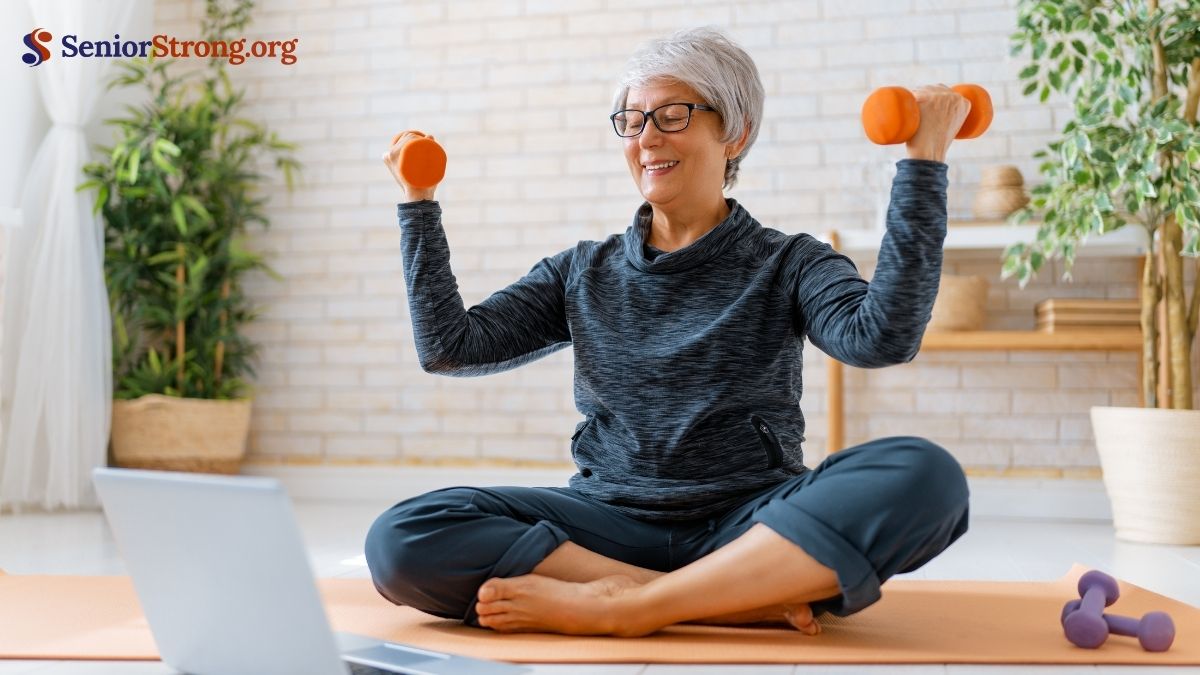
While personalized strategies guarantee safe exercise routines for seniors, finding the right balance is key to promoting long-term health.
We must focus on moderation and tailor activities to individual needs. Striking this balance helps us maintain our well-being without risking injury or burnout.
Listening to our bodies guarantees we’re not overdoing it. Let’s explore some practical tips:
To sum up, we must remember that while exercise is essential for our health, moderation is key, especially for seniors. We should pay attention to our bodies, ensuring we’re not pushing ourselves too hard. By recognizing the signs of overtraining and incorporating rest days, we can prevent injuries and maintain our well-being. Let’s aim for a balanced routine that supports our long-term health, allowing us to enjoy the benefits of staying active without the risks of over-exercising.