
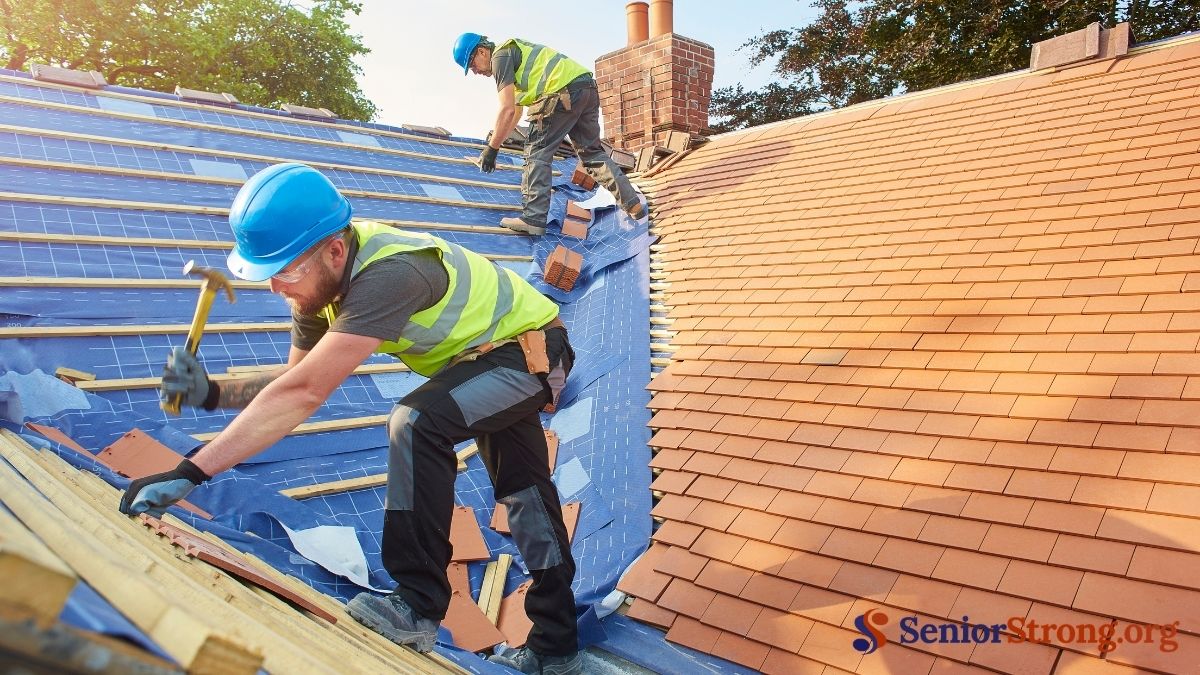
If you’re a homeowner on a fixed income, a leaking or damaged roof can feel overwhelming. The good news is that there may be roofing programs for seniors and local home repair assistance options that can help reduce the cost of critical roof repairs or, in some cases, replacement.
This guide explains where to look for a senior roof replacement program, what types of assistance may be available, and how to apply.
There is no single nationwide “free roof replacement” program for all seniors. Instead, assistance usually comes from a mix of:
The best option depends on your age, income, location, and whether your roof issue is considered a health or safety hazard.
Start with your city, county, or state housing office. Many communities offer home repair assistance for older adults, including programs that may cover roof leaks, structural repairs, or weather-related damage.
Because many federal funds are distributed locally, your local office may know about programs that do not appear in national search results.
The USDA Section 504 program is one of the most relevant roofing programs for seniors, especially for homeowners in eligible rural areas.
The program can help with repairs that improve safety and livability. Roof work may qualify when it addresses health or safety hazards or necessary home repairs.
HUD programs are often mentioned in articles about senior roof help, but it’s important to understand how they work.
Programs like Community Development Block Grant (CDBG) and HOME Investment Partnerships Program (HOME) generally provide funds to local governments and participating jurisdictions, not directly to individual seniors as a guaranteed roof grant.
That means your city or county may use HUD funds for home rehabilitation programs that include roof repairs or replacement, but availability and eligibility vary by location.
Contact your local housing department and ask:
The Weatherization Assistance Program helps low-income households improve energy efficiency and reduce utility costs. In some cases, roof-related work may be included if it is necessary to complete weatherization measures or protect the home envelope.
WAP is not a guaranteed full roof replacement program, but it may help if roof conditions are affecting insulation, air sealing, or overall weatherization work.
Contact your local WAP provider through your state weatherization agency. A home assessment is usually required.

LIHEAP is best known for helping with heating and cooling bills, crisis assistance, and in some areas weatherization or minor energy-related home repairs.
LIHEAP is not typically a full senior roof replacement program. However, it may still be helpful if your roof issue is tied to an energy emergency, utility burden, or a local agency’s approved services.
It is still worth asking your local LIHEAP office whether they coordinate with weatherization or home repair partners.
Several nonprofit organizations may help seniors with critical home repairs, including roofing needs, depending on local affiliate capacity and funding.
Nonprofit assistance often has waitlists, but it can be one of the best options for seniors who do not qualify for loans.
Some rural communities also have access to additional housing preservation or rehabilitation funding through local organizations, nonprofits, or government partners.
Some programs (such as Housing Preservation Grant-related assistance) are awarded to organizations or local entities rather than directly to individual homeowners. If you live in a rural area, ask your USDA Rural Development office or local housing nonprofit what programs are active in your county.
Applying is easier when you prepare in advance. Here’s a simple process:
Get a roof inspection or written estimate from a licensed roofing contractor. Ask for:
Most programs ask for some combination of:
Before applying nationally, call:
When you call, ask:

Unfortunately, “free roof” offers can be misleading. Protect yourself by following these tips:
If you need roof repairs and are worried about cost, you are not alone. There are legitimate roofing programs for seniors and local assistance resources that may help, especially if you have a low income, live in a rural area, or need repairs related to safety and weatherization.
The key is to start local, verify eligibility, and apply to multiple programs when possible. Even if one program cannot cover a full replacement, combining local assistance, nonprofit support, and energy-efficiency programs may significantly reduce your out-of-pocket costs.
Roof repairs are just one part of staying safe and comfortable at home. If you’re also looking for broader housing support, read Senior Strong’s guide to Government Housing Grants for Seniors in Need for more programs that may help with repairs, housing costs, and accessibility improvements.








Can you be more specific about the content of your article? After reading it, I still have some doubts. Hope you can help me.
Thanks for sharing. I read many of your blog posts, cool, your blog is very good.
Your enticle helped me a lot, is there any more related content? Thanks!
Can you be more specific about the content of your article? After reading it, I still have some doubts. Hope you can help me.
[…] Special financial assistance programs exist for specific homeowner groups, particularly seniors and …. Financing alternatives include home equity loans, specialized contractor payment plans, and local government assistance programs. Some contractors offer staged payment options, energy efficiency rebates, and low-interest financing to make roof replacement more accessible for budget-conscious homeowners. […]