We all know that retirement marks a new chapter in life, but keeping our brains active is essential for maintaining mental sharpness and overall well-being. By embracing lifelong learning and staying physically active, we can boost our cognitive health. Pursuing creative hobbies, staying socially connected, and exploring new cultures also add richness to our lives. But what are some specific strategies we can adopt to guarantee our minds remain agile and engaged?
Embracing lifelong learning keeps our minds sharp and engaged, even after retirement. We shouldn’t think of learning as something reserved for the young; it’s an essential part of staying mentally active.
By challenging ourselves with new ideas and skills, we stimulate our brains and wardA person, often a minor or an incapacitated senior, who is placed under the protection of a legal gu... off cognitive declineThe gradual loss of cognitive function, which can include memory impairment, difficulty with decisio.... Let’s explore the wealth of online courses and local workshops available to us. Whether we’re diving into a new language, exploring history, or mastering a musical instrument, we’ll find joy and fulfillment.
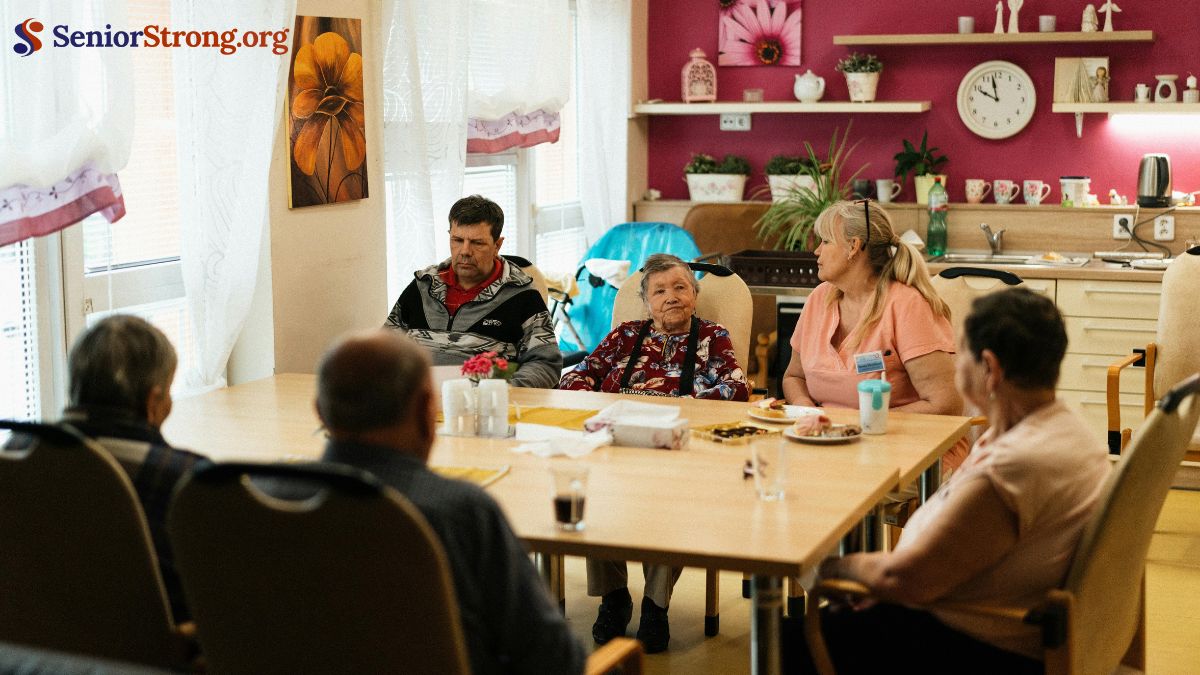
Learning doesn’t have to be a solitary pursuit either. Joining book clubsReading groups that encourage social interaction and intellectual stimulation by discussing literatu... or discussion groups allows us to connect with others who share our passions.
Together, we can share insights and exchange ideas, fostering a sense of community and belonging.
Let's not underestimate the power of regular physical exercise in keeping our brains sharp after retirement.
By establishing a consistent exercise routine, we boost blood flow to the brain, enhancing cognitive function and memory.
Whether we choose walking, swimming, or yoga, staying active is essential for both our physical and mental well-being.
While many of us may think retirement is a time for relaxation, it’s crucial to keep our minds sharp by staying physically active. By incorporating exercise into our routine, we not only improve our physical well-being but also boost our cognitive health.
Regular exercise increases blood flow to our brains, enhancing memory and mental clarity. We find that consistent activity helps reduce the risk of chronic conditions like heart diseaseA broad term for a range of diseases affecting the heart and blood vessels, often related to atheros... and diabetesA chronic condition that affects the way the body processes blood sugar (glucose), requiring ongoing..., which can negatively affect brain function.
Furthermore, exercise releases endorphins, improving our mood and reducing stress. When we feel better, our ability to think and engage with the world improves.
Let's embrace an exercise routine that keeps our bodies strong and our minds agile, ensuring a fulfilling and vibrant retirement.
Among the many activities we can choose from, walking, swimming, and yoga stand out as excellent options to keep us physically and mentally engaged.
Walking is simple yet effective. It allows us to explore our surroundings, breathe fresh air, and stimulate our brains with new sights and sounds.
Swimming, on the other hand, provides a full-body workout that’s easy on our joints, while the rhythmic nature of it can be meditative.
Finally, yoga offers a blend of physical movement and mental focus, promoting balance and flexibility. It encourages mindfulness, helping us stay present.
Engaging in creative hobbies offers a powerful way to keep our brains sharp and vibrant after retirement. When we immerse ourselves in activities like painting, writing, or playing a musical instrument, we stimulate our minds, fostering both mental agility and emotional well-being.
Creative pursuits challenge us to think differently and solve problems, which keeps our cognitive functions in top shape.
Let’s explore new media or revisit ones we’ve always loved. Whether it’s crafting, photography, or gardeningThe practice of growing and cultivating plants as part of horticulture therapy, which can provide ph..., each hobby allows us to express ourselves uniquely and keeps our minds active.
We don’t need to be experts to enjoy these activities; the joy lies in the process of creation. By dedicating time to these hobbies, we’ll enrich our lives and maintain a healthy, engaged mind.
Staying socially connected is essential for keeping our brains active and our spirits uplifted after retirement. When we engage with friends, family, or community groups, we stimulate our minds and foster emotional well-being.
Let's not underestimate the power of a simple conversation or shared laughter to improve memory and cognitive function. By joining clubs or volunteering, we can meet new people and broaden our perspectives.
It's vital to schedule regular social activitiesGroup activities that promote interaction and communication among seniors, helping to combat lonelin..., like coffee dates or group outings, to maintain these connections. We should also embrace technology by using video calls or social media to stay in touch with loved ones far away.
While retirement can be a time of great relaxation, it's important to keep our minds sharp, and practicing mindfulness and meditation is a powerful way to do that.
By dedicating a few minutes each day to mindfulness, we can enhance our focus and clarity. Meditation encourages us to slow down, breathe deeply, and become more aware of the present moment. This practice helps reduce stress, improve emotional health, and increase our overall sense of well-being.
We don't need to meditate for hours; even a short session can make a difference.
Let's find a quiet space, close our eyes, and focus on our breath. As thoughts arise, we gently bring our attention back to the present. Embracing these practices helps us stay mentally agile and fulfilled.
As we step into retirement, it's important to keep our minds sharp and engaged. One enjoyable way to do this is by challenging ourselves with puzzles and games.
These activities not only entertain us but also stimulate critical thinking, improve memory, and enhance problem-solving skills. Whether it's a crossword, Sudoku, or a strategy-based board game, each offers unique cognitive benefits.
Let's explore different puzzles that match our interests and difficulty level. Online platforms provide a wide range of choices, making it easy to find something appealing.
We can even invite friends or family for a game night, adding a social element to our brain-boosting routine. By regularly incorporating puzzles and games into our lives, we keep our minds active and engaged during retirement.
Volunteering for a cause we're passionate about keeps our minds sharp and spirits high.
We can explore community engagement opportunities that align with our interests or offer our skills in areas that need them most.
Not only do we contribute to meaningful work, but we also experience personal growth and fulfillment.
Engaging with our community by volunteering for a cause we care about is a powerful way to keep our minds sharp and spirits high after retirement.
When we get involved, we’re contributing to something bigger than ourselves, which gives us purpose and connection.
Let’s explore local organizations that align with our passions—be it animal shelters, food banks, or community gardens.
By dedicating time towards these causes, we gain a sense of fulfillment and stay mentally active.
Plus, we meet new people who share our interests, making our experience even more rewarding.
As we contribute, we’re learning and adapting, which challenges our brains in new ways.
Let’s choose a cause, take that first step, and discover the benefits of community engagement together.
While connecting with our community through volunteering enriches our lives, skill-based volunteering takes it a step further by allowing us to utilize our unique talents for a cause we care about.
By leveraging our professional skills or hobbies, we can make a significant impact. Imagine offering accounting expertise to a nonprofit or teaching art to children. This approach not only provides essential services to those in need but keeps our minds actively engaged.
We should start by identifying causes close to our hearts. Next, let's consider how our skills can best serve these causes. Many organizations need our experience and passion.
Although many of us retire to enjoy a slower pace of life, taking the time to volunteer for a cause we care about can lead to tremendous personal growth. We often discover new skills and talents we didn't know we had.
By stepping into roles that challenge us, we're encouraged to think differently and adapt. This not only keeps our minds sharp but also enhances our self-awareness.
Engaging with others in meaningful work deepens our empathy and broadens our perspectives. We learn to see the world through different lenses and appreciate diverse viewpoints.
Additionally, volunteering connects us with like-minded individuals, fostering a sense of community and belonging. Together, we can make a difference while enriching our own lives with purpose and fulfillment.
Exploring new cultures and languages can invigorate our minds and broaden our perspectives. As we engage with different ways of life, we challenge our brains and stimulate our curiosity.
Learning a new language offers cognitive benefits, such as improved memory and problem-solving skills. It’s not just about vocabulary; it’s a doorway to understanding diverse viewpoints and customs.
Traveling, even virtually, allows us to immerse ourselves in rich traditions and histories. We can attend cultural events, try new cuisines, or read literature from around the world.
These activities connect us with others and nurture our sense of wonder. By embracing cultural diversity and language learning, we keep our minds sharp and open, enriching our retirement years with endless opportunities for discovery.

As we begin our retirement journey, maintaining a balanced and nutritious diet becomes fundamental for keeping our minds sharp and bodies healthy.
Let’s focus on incorporating a variety of foods that fuel our brains and provide indispensable nutrients. We should aim to include fruits, vegetables, whole grains, lean proteins, and healthy fats like those found in fish and nuts.
HydrationThe process of causing something to absorb water. In seniors, maintaining hydration is critical for ... plays an important role too, so let’s make sure we’re drinking enough water throughout the day.
It’s also beneficial to reduce processed foods and sugar, which can negatively impact our cognitive function.
By paying attention to our dietary choices, we enhance not only our physical well-being but also support our mental clarity.
Together, we can embrace this chapter with energy and vigor.
In our journey through retirement, let's embrace lifelong learning, stay active with regular exercise, and immerse ourselves in creative hobbies that keep our minds sharp. We can remain socially connected and find purpose through volunteering. By practicing mindfulness and challenging our brains with puzzles, we maintain mental agility. Exploring new cultures and languages broadens our horizons, while a balanced diet supports brain health. Together, let's make retirement a vibrant and fulfilling chapter in our lives.