When we think about the health of our elderly loved ones, we often focus on their physical mobility and cognitive abilities. But what happens when they don't eat enough? It's a critical issue that can lead to malnutritionA condition that results from eating a diet in which nutrients are either not enough or are too much..., muscle loss, and even cognitive declineThe gradual loss of cognitive function, which can include memory impairment, difficulty with decisio.... As we explore the underlying causes and potential solutions, let's consider how we can support the nutritional well-being of older adults in our lives. What are the signs we should watch for?
As we age, our bodies undergo various changes that directly impact our nutritional needs. We require fewer calories due to a slower metabolism, but our need for essential nutrients like vitamins and minerals increases.
It’s important for us to focus on nutrient-dense foodsFoods that have a lot of nutrients but relatively few calories. They contain vitamins, minerals, com... to maintain health and energy. Our digestive system may not absorb nutrients as efficiently, so we must be mindful about what we consume.
Protein becomes important for maintaining muscle mass, while calciumA mineral essential for life. It is necessary for the proper development and maintenance of healthy ... and vitamin DA fat-soluble vitamin that is essential in promoting calcium absorption in the gut and maintaining a... are essential for bone health. Staying hydrated is equally crucial, as our sense of thirst diminishes.
Let's explore why seniors might lose their appetite.
Medication side effects often affect taste and digestion, while dental health issues can make eating uncomfortable.
Additionally, mental health factors like depressionA common and serious medical illness that negatively affects how one feels, the way one thinks, and ... or anxiety can greatly impact a person's desire to eat.
While exploring the causes of poor appetite in seniors, we can't overlook the significant impact of medication side effects.
Many older adults take multiple prescriptions, and these can directly influence their desire to eat. Understanding the connection between medications and appetite can help us make informed decisions about managing a loved one's nutrition.
Common side effects that can reduce appetite include:
Poor dental health often goes unnoticed as a significant contributor to appetite issues in seniors. When we think about eating, we often overlook the role of healthy teeth and gums.
For many seniors, dental challenges like tooth decay, gum disease, or ill-fitting dentures can make eating painful or difficult. This discomfort leads them to avoid meals or choose softer, less nutritious foods.
As caregivers or family members, we must pay attention to signs of dental problems. Are they complaining about mouth pain or avoiding certain foods?
Regular dental check-ups are essential to identify and address these issues. By ensuring proper dental care, we can help improve their ability to eat comfortably and maintain a balanced dietA diet that contains the proper proportions of carbohydrates, fats, proteins, vitamins, minerals, an..., supporting their overall health and well-being.
Addressing dental health can greatly improve a senior's nutritional intake, but another vital aspect to contemplate is mental health.
Our emotional well-being greatly influences our appetite, and seniors are no exception. Let's explore how mental health affects their eating habits:
Understanding these factors can help us support seniors better.
By addressing mental health, we can improve their overall quality of life and nutritional intake.
It’s essential we recognize these signs and seek appropriate interventions or support.

When the elderly don't consume enough nutrients, they face significant health risks that we shouldn't overlook. Malnutrition weakens the immune system, making seniors more susceptible to infections. It also leads to muscle weakness, increasing the risk of falls and fracturesIncidents where seniors fall and sustain injuries such as bone fractures, significantly impacting mo..., which can be life-altering.
Additionally, inadequate nutrient intake can result in poor wound healing, complicating recovery from injuries or surgeries.
We must remember that malnutrition affects cognitive function, potentially worsening memory issues or dementiaA chronic disorder characterized by a decline in cognitive function beyond what might be expected fr.... It can also cause weight loss, fatigue, and a decrease in mobility, impacting overall quality of life.
As caregivers or loved ones, let's guarantee that seniors receive balanced diets rich in essential vitamins and minerals. By doing so, we help them maintain their health and independence.
Let's explore how medications can impact the eating habits of the elderly.
Many drugs can suppress appetite, making it challenging for seniors to consume enough nutrients.
Additionally, certain side effects like nausea or changes in taste can further complicate their ability to maintain a healthy diet.
Many medications prescribed to the elderly can suppress appetite, greatly impacting their eating habits. When we consider how these medications work, it’s clear they can lead to reduced food intake, potentially causing nutrient deficiencies. Let’s explore how this happens.
Understanding these factors helps us support our loved ones in maintaining healthy eating habits despite medication challenges.
Although medications are intended to improve health, their side effects can considerably influence eating habits, especially in the elderly. We often don’t consider how these drugs might alter appetite or taste, but it’s a reality many face.
Medications can cause nausea, dry mouth, or change the way food tastes. As a result, our loved ones might eat less, impacting their nutrition and overall health.
We should pay close attention to any changes in eating patterns when new medications are prescribed. It's important to communicate with healthcare providers about any side effects that arise.
They might adjust the dosage or suggest an alternative. By actively monitoring these effects, we can help guarantee the elderly maintain a balanced diet and good health.
Understanding the psychological factors that influence food intake is essential when considering why the elderly mightn't eat enough. As we explore these factors, we can better support our loved ones in maintaining a healthy diet.
Psychological changes, such as depression and anxiety, greatly impact appetite. Depression, for instance, may lead to a loss of interest in eating, while anxiety can cause discomfort that diminishes the desire to eat.
Here are a few key psychological factors:

While psychological factors certainly play a role in elderly nutrition, we must also consider the social influences that shape eating habits. Our social environments greatly impact what and how much we eat.
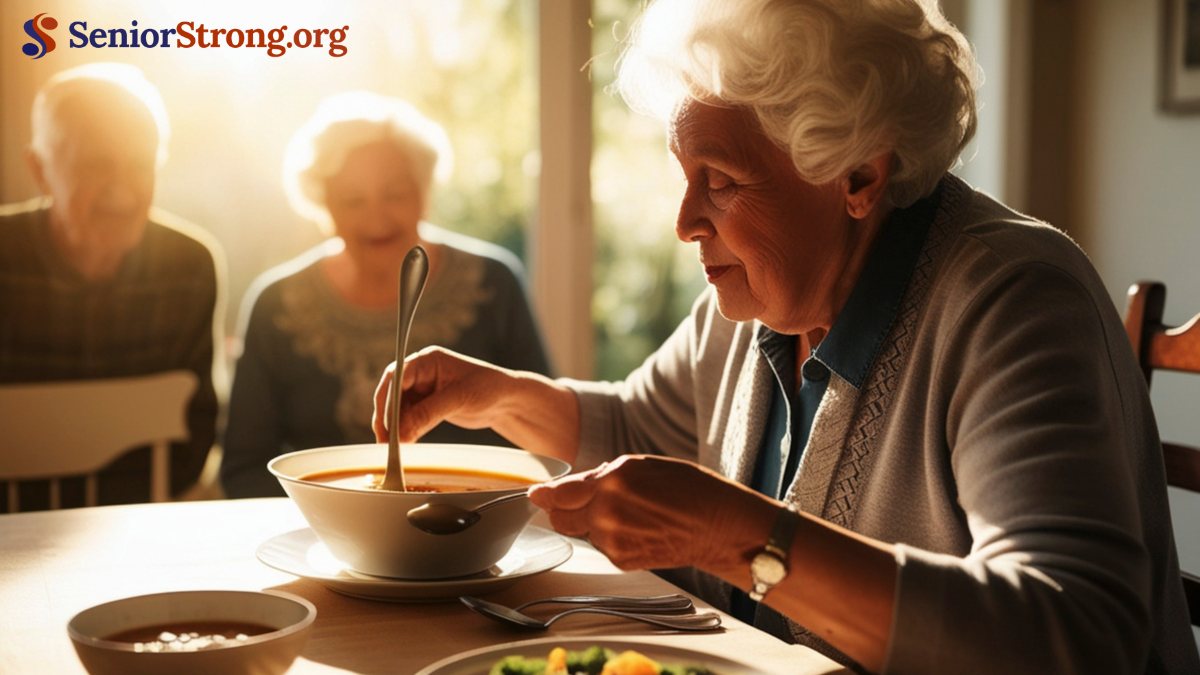
For seniors, this can mean that isolation or lack of communal meals leads to decreased food intake. When elderly individuals live alone or don't have regular visitors, they mightn't be motivated to prepare nutritious meals.
Social networks, like family and friends, also influence dietary choices, often encouraging healthier eating. Community programs and social gatherings offer opportunities for shared meals, promoting better nutrition.
It's essential that we recognize the signs of nutritional deficiency in the elderly to guarantee their well-being.
When we understand what to look for, we can intervene early and prevent further health issues. Nutritional deficienciesOccur when the body doesn't absorb or get from food the necessary amount of a nutrient; deficiencies... can manifest in various ways, and being observant is key.
Here are some common signs to watch out for:
To effectively address appetite and nutritional issues in the elderly, we must employ a variety of strategies tailored to their specific needs.
First, we can create a pleasant and social dining environment. Eating in the company of others often enhances the experience and encourages intake.
We should also focus on offering nutrient-dense foods that are both appealing and easy to consume. Small, frequent meals can help maintain energy levels without overwhelming their appetite.
Let’s not forget the importance of hydrationThe process of causing something to absorb water. In seniors, maintaining hydration is critical for .... Encouraging regular fluid intake is essential, as dehydration can dampen appetite.
We can also explore flavor enhancements, like herbs and spices, to make meals more enticing.

Caregivers and healthcare providers play an essential role in supporting the nutritional health of the elderly. We must monitor their eating habits and guarantee they're getting the nourishment they need. By doing so, we help prevent the adverse effects of malnutrition, such as weakened immunity and muscle loss.
Our approach should be proactive and compassionate, focusing on the specific needs of each individual. Let's consider some key actions:
Together, we can make a difference.
In summary, we can see how essential it is for us to guarantee older adults maintain proper nutrition. When they don’t eat enough, their health and independence are at risk. By understanding the causes and recognizing signs of malnutrition, we're better equipped to support their well-being. Let's focus on creating supportive environments, addressing psychological and social factors, and working with caregivers and healthcare providers to improve their appetite and nutrition. Together, we can make a meaningful difference.