As we age, staying active becomes essential to maintaining our health and independence. There's one simple, accessible exercise that stands out above the rest. It's an exercise that requires no special equipment and can be done almost anywhere. This exercise not only enhances our cardiovascular health and balance but also strengthens our muscles, reducing the risk of falls. Curious to know what it is? Let's explore the benefits it offers for our aging bodies.
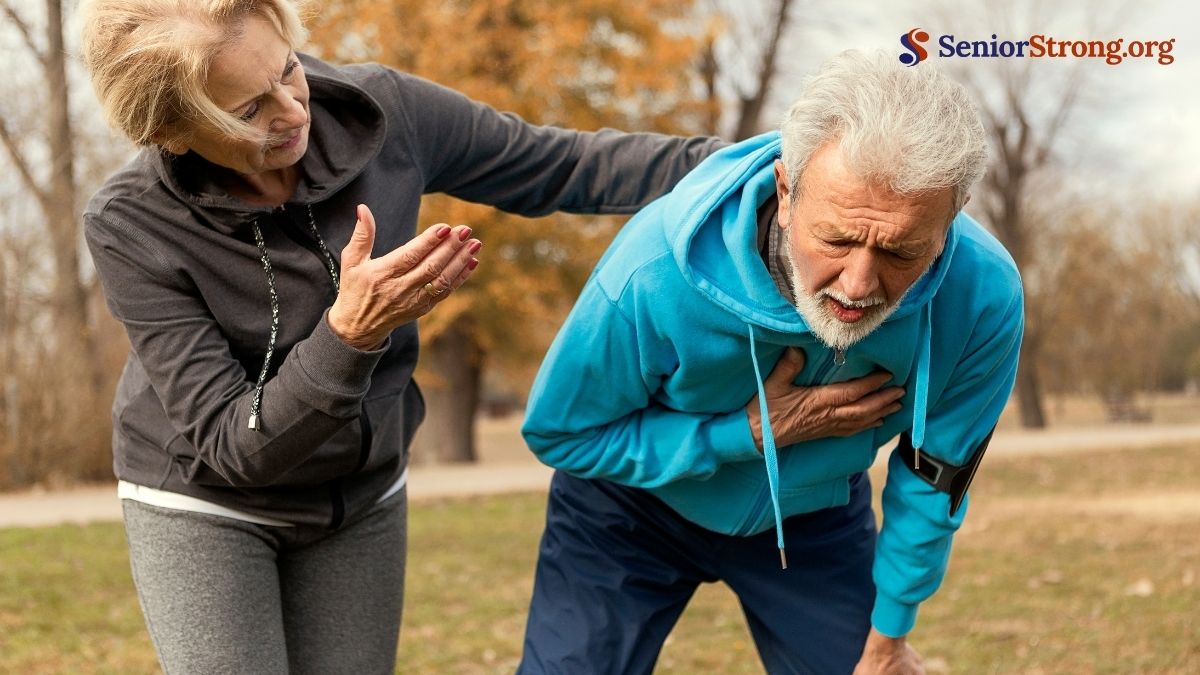
As we age, maintaining an active lifestyle becomes essential to our overall well-being. Exercise helps us not only stay physically fit but also supports our mental and emotional health. By engaging in regular physical activity, we can enhance our balance, flexibility, and strength, which are vital as we navigate the changes that come with aging.
We’ve all noticed how our bodies change over time, and it’s important to adapt our routines to match our current abilities and needs.
Exercise also helps us build social connections and maintain a sense of community. Whether we join a local walking group or participate in a fitness class, these activities provide an opportunity to bond with others, share experiences, and motivate each other to keep moving forward.
While aging is inevitable, staying active offers numerous benefits that greatly enhance our quality of lifeThe general well-being of individuals and societies, outlining negative and positive features of lif.... Regular physical activity boosts our physical health by improving strength, balance, and flexibility. This helps us reduce the risk of falls and injuries, which are common as we age.
Exercise also aids in maintaining a healthy weight, reducing the risk of chronic diseases like heart diseaseA broad term for a range of diseases affecting the heart and blood vessels, often related to atheros... and diabetesA chronic condition that affects the way the body processes blood sugar (glucose), requiring ongoing....
Mentally, staying active sharpens our cognitive abilities. It enhances memory and reduces the risk of dementiaA chronic disorder characterized by a decline in cognitive function beyond what might be expected fr... by promoting blood flow to the brain.
Additionally, physical activity releases endorphins, improving our mood and reducing symptoms of anxiety and depressionA common and serious medical illness that negatively affects how one feels, the way one thinks, and .... By staying active, we're not just adding years to our lives; we're adding life to our years, ensuring we enjoy them fully.
How do we determine the best exercise for older adults? First, we must consider safety. Exercises should minimize injury risk while accommodating any existing health conditions.
Let's prioritize activities that enhance balance, flexibility, and strength, as these are vital for maintaining mobility and independence.
Next, we should focus on enjoyment and accessibility. If we enjoy an activity, we're more likely to stick with it. Exercises that fit seamlessly into our daily routine or require minimal equipment can be more practical.
Finally, let's adapt exercises to individual fitness levels. Starting gradually and increasing intensity guarantees progress without overexertion.
Maintaining functional independence as we age is crucial for preserving our quality of life. It allows us to continue engaging in daily activities without unnecessary assistance.
Let’s explore what functional independence involves.
Let's explore how exercise affects the aging process and extends our lifespan.
Research shows that regular physical activity can lead to longer, healthier lives by enhancing our body’s resilience and function.
While we may all hope to age gracefully, understanding the science behind exercise and longevity helps us make informed choices.
Exercise profoundly impacts aging, offering benefits that extend beyond just the physical. As we age, maintaining an active lifestyle can greatly enhance our quality of life.
Research reveals that regular exercise:
When we explore the connection between physical activity and lifespan, the evidence is compelling.
Studies show that regular exercise can add years to our lives. Engaging in physical activity helps maintain our body's functions, keeping everything from our heart to our muscles in prime shape.
Researchers have found that even moderate exercise, like brisk walking, can greatly lower the risk of chronic diseases, which are often the culprits that shorten our lives.
The science is clear: staying active supports longevity by reducing inflammation, improving cardiovascular health, and enhancing metabolic functions.
It's not just about adding years, but about adding quality to those years. By moving more, we can enjoy a healthier, more vibrant life well into our later years.
Although it might seem simple, regular movement is a powerful tool for enhancing our health and longevity.
Let’s explore why it’s essential as we age. First, it helps maintain muscle mass and strength, which are vital for staying active and independent.
Second, movement keeps our joints flexible, reducing the risk of injuries and improving balance.
Third, it boosts our mood and cognitive function, combating the mental decline often associated with aging.
Here are the key benefits of regular movement:
Let's explore what experts say about exercise for seniors.
It's understood that regular exercise offers numerous benefits, from improved mobility to enhanced mental well-being.
Engaging in regular exercise offers older adults a myriad of health benefits that can greatly enhance their quality of life.
As we age, maintaining an active lifestyle becomes essential for our physical and mental well-being.
Let’s look at some key benefits:
Consistency is key, and incorporating exercise into our routine can lead to a more fulfilling, independent life.
When looking for ways to stay active without putting too much strain on our bodies, low-impact exercises are an excellent choice for older adults. These exercises help us maintain our fitness levels while reducing the risk of injury.
Walking is a simple yet effective option that promotes cardiovascular health. Swimming offers a full-body workout that’s gentle on our joints. Cycling on a stationary bike provides a heart-pumping session without jarring impacts.
YogaA mind and body practice with historical origins in ancient Indian philosophy, which includes physic... and tai chiA form of exercise that emphasizes slow, controlled movements and is often used for stress reduction... enhance flexibility and balance, essential for preventing falls. Even gardeningThe practice of growing and cultivating plants as part of horticulture therapy, which can provide ph... or dancing can be enjoyable low-impact activities.
While maintaining overall fitness is important, building strength safely is essential for older adults to guarantee independence and vigor.
We should focus on exercises that protect our joints and improve muscle mass. Let’s explore some expert recommendations that can guide us through this process.
Among the myriad of exercises available, walking stands out as the number one exercise for older adults. It’s simple, accessible, and doesn’t require special equipment.
We can walk almost anywhere, be it in a park, around the neighborhood, or even indoors at a mall. For those of us looking to stay active, walking offers a low-impact way to move our bodies without straining our joints.
Additionally, walking is flexible and can be easily adapted to our fitness levels. We can start with short distances and gradually increase our pace and duration as we grow more comfortable.
It also provides a wonderful opportunity to connect with nature, socialize with friends, or simply enjoy some peaceful alone time. Walking truly fits seamlessly into our daily lives.
Walking does wonders for improving our strength, balance, and heart health. As we age, we might notice these areas need more attention. By embracing walking, we can make meaningful strides in our well-being. Here’s how:
Incorporating walking into our routine is a simple yet effective way to stay healthy.
As we consider incorporating walking into our routine, it's vital to adapt the exercise to fit our individual abilities and needs.
Let's start by evaluating our current fitness level and any limitations we might have. It’s important to listen to our bodies and adjust the pace, distance, and duration of our walks accordingly.
If we're new to walking or have mobility challenges, we might begin with shorter, slower walks on flat surfaces. Gradually, we can increase our pace and distance as our confidence grows.
Using supportive footwear can help prevent discomfort and injury. If balance is a concern, walking with a partner or using walking poles can provide added stability.
Let's prioritize comfort and safety while making walking an enjoyable part of our lives.
Let's make this exercise a seamless part of our daily lives by keeping it simple and manageable.
We can use time management strategies to fit it into our schedules, perhaps alongside meals or morning routines.
Incorporating this exercise into our daily routine can be seamless and rewarding. This movement, which enhances flexibility and strength, can easily fit into our everyday activities without feeling like a chore.
Here’s how we can integrate it:
While finding time for exercise might seem challenging, prioritizing it in our busy schedules is essential for maintaining our health.
Let’s start by identifying pockets of time in our day where we can incorporate the number one exercise for older adults. We might consider setting aside just 10-15 minutes in the morning or during lunch breaks. This way, we’re utilizing time that might otherwise be spent idly.
A useful strategy is to schedule our exercise sessions just like any other important appointment. By doing so, we’re less likely to skip it.
We can also pair this exercise with another daily habit, like watching our favorite show, to make it more enjoyable.
Let’s remember: consistency begins with smart scheduling.
Having identified those valuable pockets of time, we now focus on building consistency and commitment to elevate this exercise from a mere task to an integral part of our daily routine.
To accomplish this, let’s incorporate these strategies:
As we age, it’s vital to prioritize our health and well-being by staying active. We've highlighted how walking stands out as the top exercise for older adults due to its simplicity and numerous benefits. By incorporating walking into our daily routines, we can enhance our cardiovascular health, improve balance, and strengthen muscles. Let's embrace walking as a way to connect with nature and each other, ensuring we maintain our independence and enjoy a vibrant, active lifestyle.