Let's consider which foods aren't the best choices for senior citizens. As we age, our bodies become more sensitive to certain ingredients, and it's essential to be mindful of what we consume. Processed meats and high-sodium foods, for instance, can be detrimental to our health. Sugary snacks and beverages, too, pose problems. There's more to uncover about how some foods can impact our well-being, and it's worth exploring further.
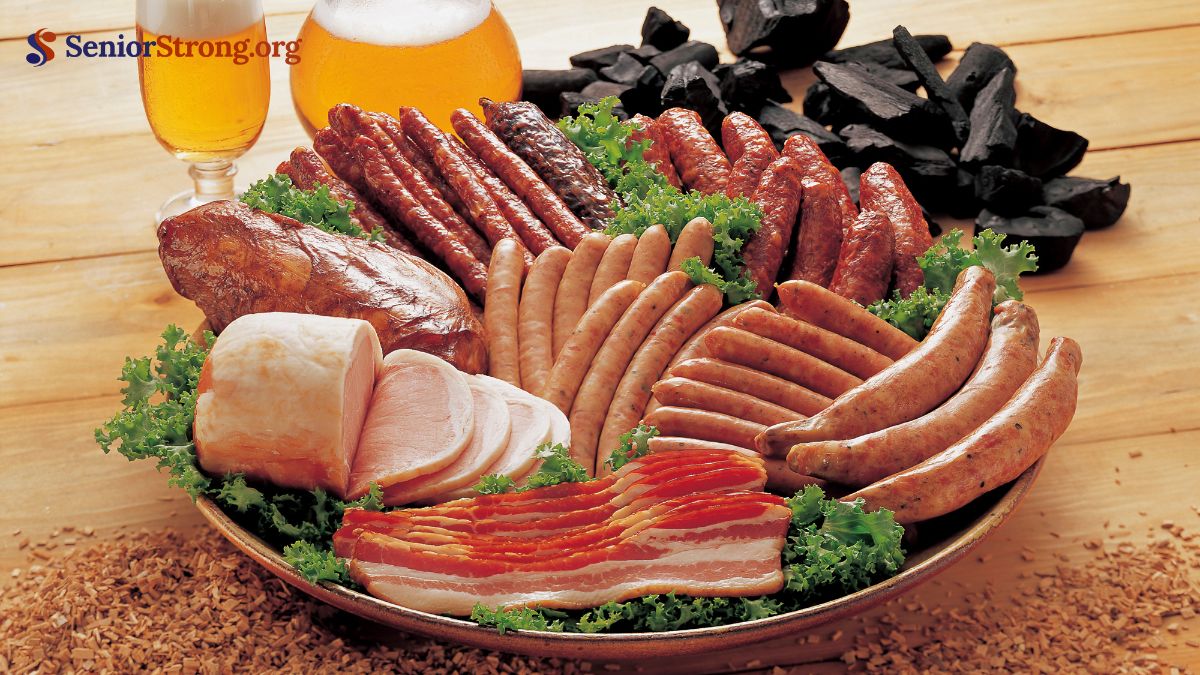
While processed meats might be convenient and tasty, they're not the best choice for senior citizens.
We need to evaluate the health implications these foods carry. Processed meats like bacon, sausages, and deli slices often contain preservatives and additives that can harm our health.
They’re high in saturated fats, which can contribute to heart disease—a particular concern as we age. Additionally, these meats may contain nitrates and nitrites, linked to certain cancers.
Let's address high-sodium foods and how they affect our health as we age.
Consuming too much sodium can increase the risk of hypertension and cause water retention, both of which are concerns for senior citizens.
We can still enjoy flavorful meals by opting for herbs and spices as healthier alternatives.
High-sodium foods can greatly increase the risk of hypertension, especially for senior citizens. As we age, our bodies become more sensitive to sodium, making it essential to monitor our intake.
Consuming too much sodium can cause our blood pressure to rise, straining our heart and blood vessels. This increased pressure can lead to serious health issues like heart disease and strokeA medical condition where poor blood flow to the brain results in cell death, leading to potential p....
To protect our health, we should aim to reduce our sodium consumption. Let’s start by reading nutrition labels carefully, opting for low-sodium options when possible.
We can also enhance the flavor of our meals with herbs and spices instead of salt. By making mindful choices, we can better manage our blood pressure and support a healthier lifestyle.
Many of us aren't aware that high-sodium foods can lead to water retention, a common issue among senior citizens. When we consume too much salt, our bodies hold onto extra water to balance the sodium levels. This can cause swelling, particularly in the feet and ankles, making it uncomfortable to move around.
As we age, our bodies don't process sodium as efficiently, so it's important to keep an eye on our salt intake. Processed foods, canned soups, and salty snacks are usually high in sodium and can exacerbate water retention.
While reducing our salt intake is crucial, it doesn't mean we've to sacrifice flavor in our meals. We can enhance the taste of our food with herbs and spices like garlic, basil, or rosemary. These options bring out natural flavors without the need for extra sodium.
Citrus fruits like lemons and limes also add a revitalizing zing to dishes, making them more exciting. Instead of reaching for the salt shaker, we might consider using vinegar or balsamic reductions to enhance the depth of our meals.
Additionally, experimenting with different types of pepper or ginger can introduce a delightful kick. By exploring these alternatives, we guarantee our meals remain tasty and satisfying while keeping our sodium levels in check.
Although we might enjoy indulging in a sweet treat, sugary snacks and beverages can pose significant health risks for senior citizens. As we age, our metabolism slows, making it harder to process excess sugar. This can lead to weight gain and increased risk of diabetes.
High sugar intake can also affect our dental health, leading to cavities and gum disease, which are common issues as we get older. We should also consider how sugar impacts our heart health. Consuming too much can increase the likelihood of high blood pressure and other cardiovascular problems.
Let’s try opting for natural sweetness from fruits or choosing snacks low in added sugars. By being mindful of our sugar consumption, we can maintain better overall health.
Let's turn our attention to fried and greasy foods, which can pose significant challenges for senior citizens.
These foods can raise cholesterol levels, increasing the risk of heart-related issues.
Additionally, they often strain our digestive systems, leading to discomfort and potential health complications.
As we age, managing cholesterol levels becomes increasingly important to maintain heart health, and fried and greasy foods pose a significant risk in this regard.
These foods are typically high in trans fats and saturated fats, which can lead to elevated LDL cholesterol levels, often referred to as “bad” cholesterol. Elevated LDL levels contribute to plaque buildup in our arteries, increasing the risk of heart disease and stroke.
When we consume fried foods, our bodies have a harder time breaking down these fats, leading to higher cholesterol levels.
It’s essential for us to be mindful of our dietary choices, opting for healthier alternatives like grilled, baked, or steamed dishes. By doing so, we can help keep our cholesterol levels in check and protect our heart health.
Beyond heart health, fried and greasy foods also affect our digestive system considerably. As we age, our digestive processes naturally slow down, making it harder to break down heavy, oily foods. These foods can lead to uncomfortable symptoms like bloating, heartburn, and indigestion.
For senior citizens, this can be particularly troublesome, as a slower metabolism and reduced enzyme production make it challenging to digest fats efficiently.
Moreover, fried foods often lack fiberA type of carbohydrate that the body can't digest. It helps regulate the body's use of sugars, helpi..., which we need for healthy digestion. Fiber helps move food smoothly through the digestive tract, preventing constipation—a common issue among seniors.
When considering a healthy diet for senior citizens, it’s vital to limit the intake of refined grains. These grains have been stripped of their valuable nutrients, leaving us with empty calories that can contribute to various health issues.
As we age, our bodies need more nutrient-dense foodsFoods that have a lot of nutrients but relatively few calories. They contain vitamins, minerals, com..., not less. Refined grains can cause:
Although high-fat dairy products might seem like a comforting choice, they can pose several health risks for senior citizens. As we age, our metabolism slows, making it harder to process these rich foods. Consuming high-fat dairy can increase cholesterol levels, raising the risk of heart disease, which is a significant concern for older adults.
Let’s consider alternatives that can help maintain our health without compromising on taste. Low-fat or non-dairy options can provide the essential nutrients found in high-fat dairy while reducing saturated fat intake.
By choosing these alternatives, we can support healthy weight management and protect our cardiovascular health. Remember, it's about making small adjustments that contribute to our well-being.
Let’s prioritize choices that nourish and sustain us as we age.
As we continue to focus on nourishing our bodies wisely, we should be mindful of our caffeine intake. Caffeine-heavy drinks, like certain coffees and energy drinks, can impact our health in ways we mightn't expect. For senior citizens, moderation is key.
Let's consider some reasons why:
While enjoying an occasional drink might seem harmless, it's important for senior citizens to be cautious with alcohol consumption. As we age, our bodies process alcohol differently, often more slowly, which can increase its effects. This means a glass or two that once felt manageable may now feel overwhelming.
We should also consider that alcohol can interact with medications commonly prescribed to seniors, potentially reducing their effectiveness or causing adverse reactions.
Additionally, alcohol can increase the risk of falls by affecting balance and coordination. It's essential we remain vigilant about these risks.
Moderation is key; sticking to recommended limits helps us maintain our health and safety. Let's prioritize our well-being by making informed decisions about when and how much to drink.
When it comes to maintaining a healthy diet, we should be wary of foods high in artificial additives.
These additives can harm our health, especially as we age. They're often found in processed foods, which might be convenient but aren't the best choice for our well-being. Artificial additives can lead to health issues, including allergies, digestive problems, and an increased risk of chronic diseases.
To help us identify these foods, let's consider the following:
In summary, let's prioritize our health by being mindful of what we eat. Avoiding processed meats, high-sodium foods, and sugary snacks helps us maintain our well-being. Steering clear of fried, greasy foods and refined grains can keep our cholesterol and digestive system in check. We should also limit high-fat dairy and caffeine-heavy drinks to support our overall health. Finally, let's be cautious with alcohol and artificial additives to guarantee we're making the best choices for our future.