When we consider why our elderly loved ones often decline after losing their partner, it's clear that a complex mix of emotional, social, and physical factors is at play. The grief alone can be overwhelming, but coupled with isolation and a disrupted routine, it can take a serious toll on their well-being. How do these interconnected issues impact their health, and what steps can we take to support them during such a vulnerable time?
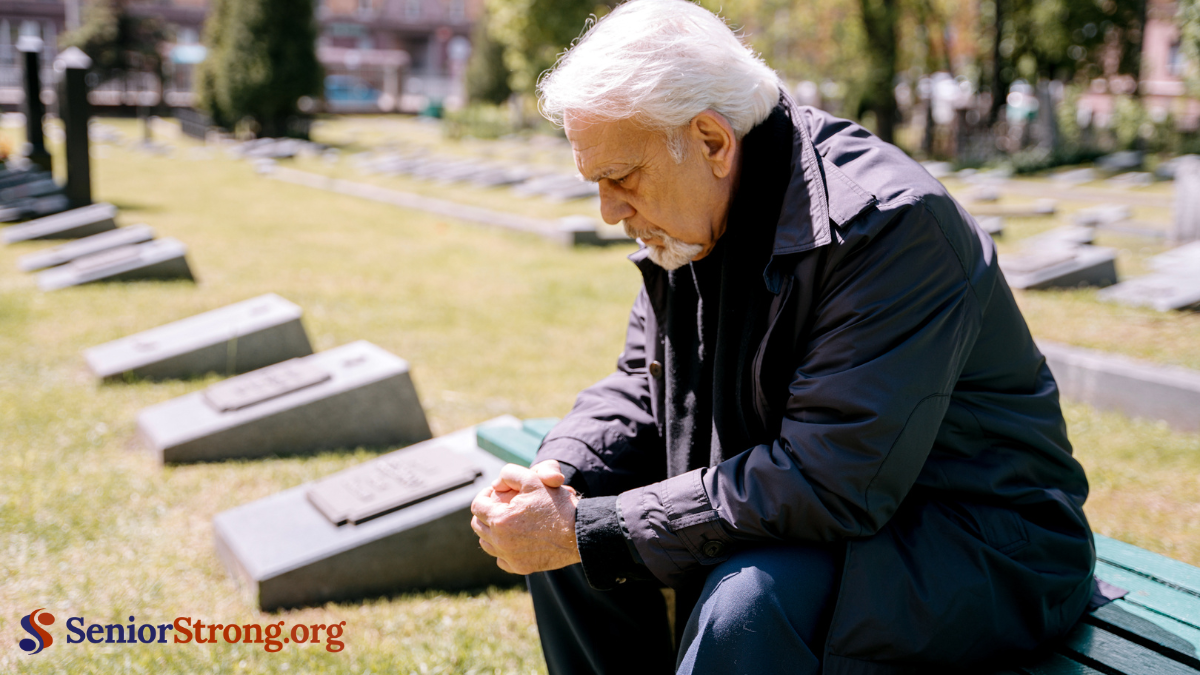
When we experience the loss of a partner, the emotional grief can greatly impact our health.
It's not just about feeling sad; grief can manifest physically. We might notice changes in sleep patterns, appetite, and energy levels. Our immune systems can weaken, making us more susceptible to illnesses.
The stress from grieving can exacerbate existing health conditions, such as heart diseaseA broad term for a range of diseases affecting the heart and blood vessels, often related to atheros... or diabetesA chronic condition that affects the way the body processes blood sugar (glucose), requiring ongoing.... Our cognitive function might decline, causing memory lapses or difficulty concentrating.
We may also experience emotional symptoms, like anxiety or depression, which further strain our well-being. Understanding these impacts helps us recognize the importance of seeking support and taking care of ourselves during such a challenging time.
Let's prioritize our health as we navigate through grief.
Although losing a partner is profoundly difficult, the social isolation that often follows can be equally challenging. We might find ourselves feeling disconnected from the world we once knew, as shared friends and activities dwindle.
This isolation can lead to feelings of loneliness and depression, affecting both our mental and physical health. Our social networks shrink, leaving us vulnerable to the consequences of solitude.
It’s essential to recognize these shifts and seek ways to reconnect. Let’s remember that social interaction is important to our well-being.
Staying engaged with family, friends, and community activities can offer support and a sense of purpose. By reaching out and maintaining connections, we can counteract the negative impact of isolation and support each other through this difficult time.
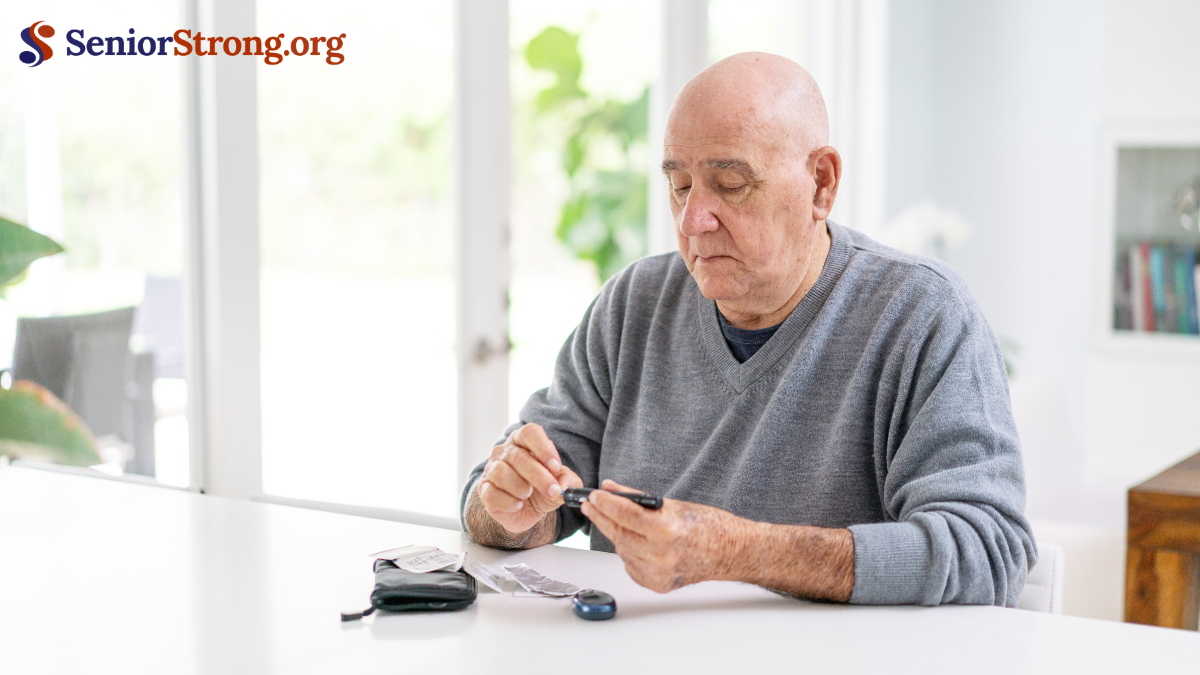
Losing a partner often disrupts our daily routines and activities, creating an unsettling void. Those small, shared rituals—like morning coffees, evening walks, or shopping trips—suddenly vanish. The absence of these familiar patterns shatters our sense of normalcy and leaves us grappling with a profound emptiness.
We might find ourselves unsure of how to fill the hours once spent together. This disruption can lead to confusion and a lack of motivation to engage in activities we once enjoyed.
Often, our partner was our reminder to take medications, prepare meals, or even get out of bed. Without these prompts, maintaining a healthy routine becomes challenging.
Stress exerts a significant influence on our immune system, especially during periods of grief after losing a partner. When we're stressed, our body's natural defenses weaken, making us more susceptible to illness. This is particularly concerning for the elderly, whose immune responses are already compromised.
Understanding how stress impacts us can help us take steps to mitigate its effects. Let's consider a few essential points:
While grieving the loss of a partner, timely support and intervention are vital for maintaining emotional and physical health.
We must act quickly to surround our elderly loved ones with care, as loneliness can exacerbate health issues. Offering consistent companionship, whether through family visits or community programs, can make a significant difference.
Let’s guarantee we’re attentive to their needs by encouraging open conversations. We can ask them how they’re feeling and listen actively.
Professional support, like counseling or grief support groupsGroups providing emotional and practical support to seniors facing similar health issues or life tra..., offers valuable outlets for expressing emotions. Let’s not underestimate the power of simply being present.
Together, we can create a nurturing environment. It’s essential that we recognize warning signs early and act swiftly.
Providing timely support makes all the difference for their well-being.
We've seen how losing a partner can deeply affect the elderly, impacting their health and well-being in profound ways. Emotional grief, social isolation, and disrupted routines create a challenging environment that can weaken the immune system and diminish motivation. It's essential for us to recognize these challenges and offer timely support and intervention. By doing so, we can help mitigate the negative effects and improve their quality of lifeThe general well-being of individuals and societies, outlining negative and positive features of lif... during such a difficult time.